

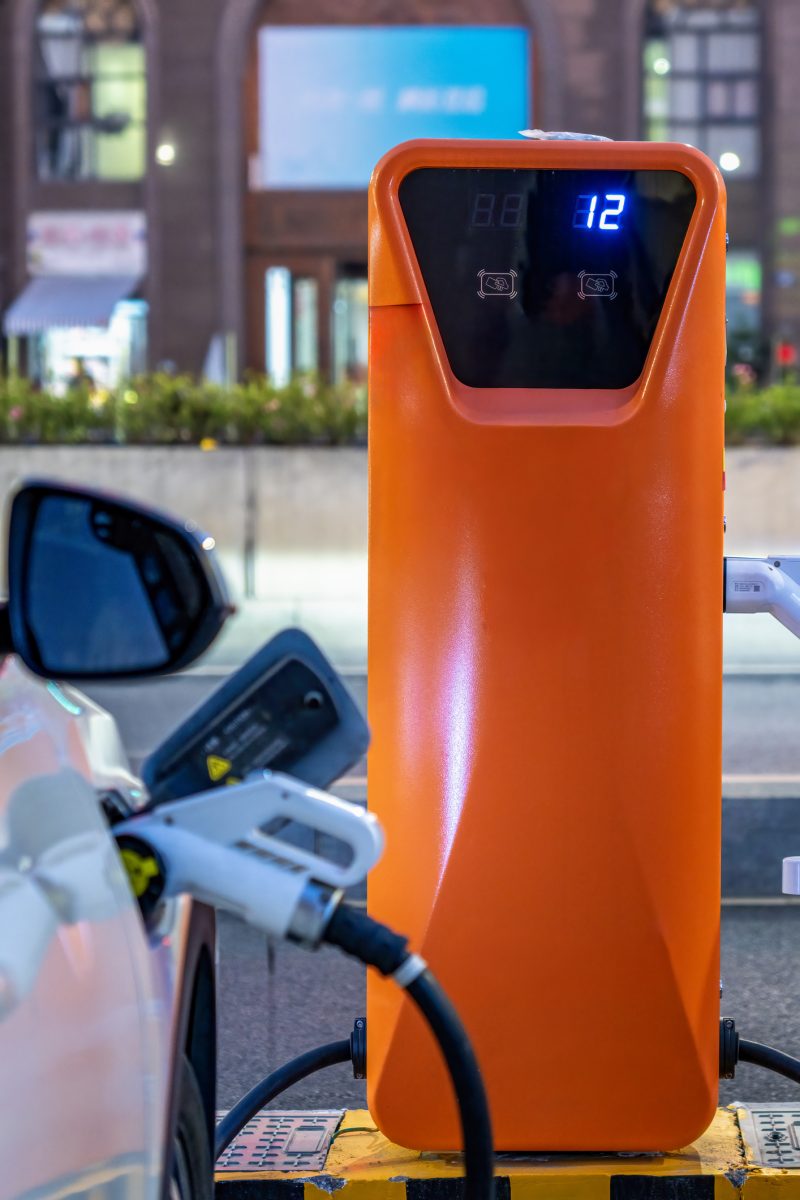
Electric vehicles (EVs) are no longer a niche choice for early adopters. They are rapidly becoming a mainstream option for everyday drivers, reshaping how people think about mobility, energy use, and long-term vehicle ownership. Understanding where EV technology is heading can help drivers make smarter decisions today and prepare for what comes next.
Why Electric Vehicles Are Gaining Momentum
The global shift toward electric mobility is driven by a mix of technological progress, economic incentives, and changing consumer expectations. EVs promise cleaner transportation while offering a driving experience that feels distinctly modern.
Key reasons behind the rapid adoption include:
- Lower running and maintenance costs compared to gasoline vehicles
- Increased awareness of environmental and climate concerns
- Government incentives and expanding charging infrastructure
- Improvements in battery range and performance
For many drivers, EVs are no longer about compromise—they are about convenience and future-proofing.
Advances in Battery Technology
Battery innovation sits at the heart of the EV revolution. Modern electric cars already deliver far more range and reliability than models from just a few years ago, and the pace of improvement continues.
What’s changing in EV batteries:
- Longer driving range, reducing range anxiety
- Faster charging times, making road trips more practical
- Improved durability, with batteries lasting well over a decade in many cases
- Reduced costs, which helps lower vehicle prices over time
As battery chemistry evolves, drivers can expect electric vehicles to become lighter, more efficient, and easier to own.
Charging Infrastructure: From Scarce to Standard
One of the biggest concerns for new EV buyers has always been charging availability. That concern is steadily fading as charging networks expand in cities, suburbs, and along major highways.
Charging options drivers can expect:
- Home charging, ideal for overnight convenience
- Public fast chargers, capable of adding significant range in minutes
- Workplace charging, increasingly common as employers support EV adoption
The future points toward charging becoming as routine as parking, with seamless payment systems and better charger reliability.
How EVs Are Changing the Driving Experience
Electric vehicles feel different behind the wheel—and for many drivers, that difference is a major advantage. Instant torque, quiet operation, and smooth acceleration create a refined driving experience that traditional vehicles struggle to match.
Notable driving benefits include:
- Immediate acceleration without gear shifts
- Reduced cabin noise for a calmer ride
- Advanced driver-assistance features often included as standard
- Regenerative braking that improves efficiency and control
These elements combine to make EVs feel less mechanical and more intuitive.
Environmental Impact Beyond the Tailpipe
While EVs produce no exhaust emissions, their environmental impact goes beyond what happens on the road. Manufacturing processes, energy sources, and battery recycling all play important roles.
Looking ahead, the EV ecosystem is improving through:
- Cleaner electricity generation powering vehicles
- Better recycling methods for batteries and rare materials
- More efficient manufacturing with lower overall emissions
Over time, these improvements strengthen the environmental case for electric transportation.
Costs, Incentives, and Long-Term Value
The upfront cost of an electric vehicle can still be higher than that of a comparable gasoline car, but the financial picture changes when ownership is viewed long-term.
Drivers often benefit from:
- Lower fuel costs due to cheaper electricity
- Reduced maintenance with fewer moving parts
- Tax credits or rebates in many regions
- Strong resale value as demand for EVs increases
For many households, EVs already make economic sense over the life of the vehicle.
What the Next Decade Looks Like for Drivers
The future of electric vehicles is not just about new models—it’s about a broader shift in how people interact with transportation. Software updates, vehicle-to-grid technology, and smarter energy management will redefine ownership.
Drivers can expect electric vehicles to feel more like evolving devices rather than static machines, improving over time instead of aging out of relevance.
Frequently Asked Questions
1. Will electric vehicles fully replace gasoline cars in the future?
Electric vehicles are expected to dominate new car sales over time, but gasoline vehicles may still exist in certain niches for years.
2. How long does it take to fully charge an electric vehicle?
Charging time varies by charger type, ranging from under an hour at fast chargers to several hours at home.
3. Are electric vehicles reliable in extreme weather?
Modern EVs are designed to handle hot and cold climates, though range can vary depending on conditions.
4. What happens to EV batteries at the end of their life?
Most batteries are reused for energy storage or recycled to recover valuable materials.
5. Can I install a home charger in an apartment or rental?
In many areas, landlords and property managers are increasingly accommodating EV charger installations.
6. Do electric vehicles require special maintenance?
EVs generally need less maintenance than traditional cars, with no oil changes and fewer mechanical components.
7. How future-proof is buying an electric vehicle today?
With improving infrastructure and software updates, most modern EVs are designed to remain relevant for many years.
Electric vehicles are shaping the future of driving faster than many expected. For drivers willing to look ahead, understanding these trends can make the transition smoother, smarter, and more rewarding.