

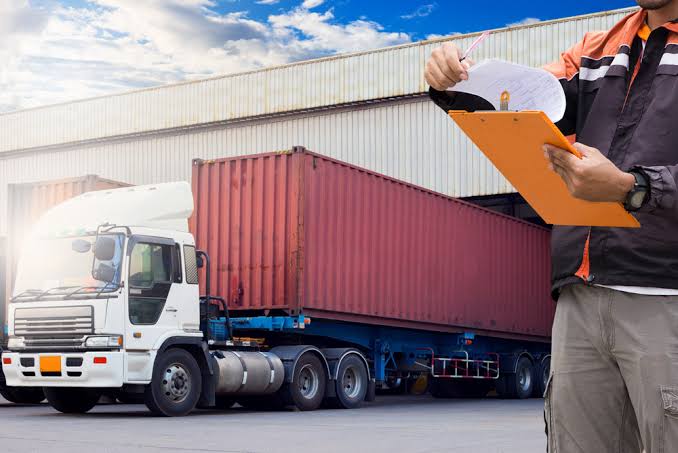
A cross border shipment is not simply a longer domestic delivery. Once goods move between countries, businesses have to think about documentation, customs clearance, handover points, local regulations, route reliability and what happens if the shipment is delayed before it reaches the customer.
The Border Is Often Where Hidden Problems Appear
Domestic transport can usually be managed around collection times, delivery windows and vehicle availability. Cross-border logistics adds more moving parts. A shipment may pass through warehouses, consolidation points, customs processes, inspection areas and final-mile delivery networks before it reaches the end customer.
The risk is that a problem in one part of the process affects everything after it. If the paperwork is incomplete, the goods may be held. If the product classification is unclear, customs checks may take longer. If the receiving party is not ready to provide information or pay required charges, delivery can be delayed even when the transport itself has been handled properly.
This is why cross-border planning should begin before the goods leave the warehouse. The shipment needs the correct documents, clear responsibility, suitable packaging and a realistic transit plan. Treating the border as an administrative detail can lead to avoidable disruption.
Documentation Has To Be Accurate And Consistent
Many cross-border delays come from paperwork that does not match the shipment. Product descriptions, values, quantities, weights, commercial invoices, packing lists and origin information all need to be clear. Vague or inconsistent descriptions can create questions during clearance, especially where goods are technical, regulated or high value.
Businesses should also be careful when the same product is shipped repeatedly. If one team describes the product one way and another team uses a different description, the inconsistency can create confusion. A standardised approach to documentation helps reduce this risk and makes repeat shipments easier to manage.
It is also important to know who is responsible for each stage. The seller, buyer, logistics provider and customs broker may each have a role, but assumptions can cause problems. If nobody is clearly responsible for providing a document or responding to a query, a shipment can sit waiting while teams try to work out what has gone wrong.
Route Choice Should Match The Commercial Priority
The cheapest route is not always the best route. Some shipments need speed because stock is urgently required, production depends on the goods or the customer has a fixed deadline. Other shipments may be less time-sensitive and better suited to a more cost-effective scheduled service.
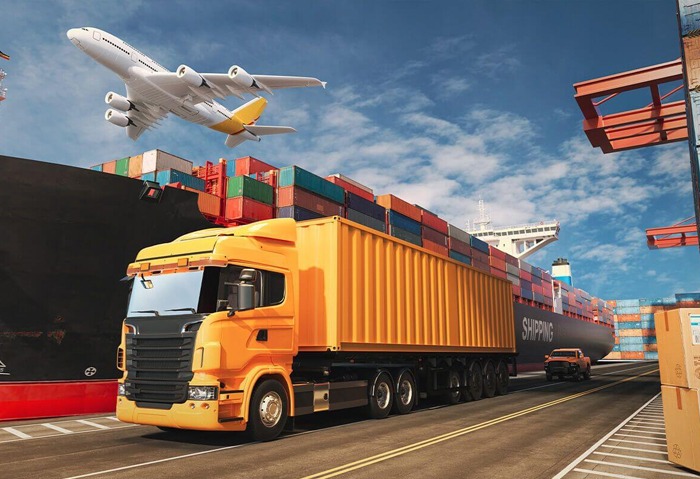
A good route decision should consider value, urgency, product type and customer expectation. Fragile goods, time-sensitive products, temperature-controlled stock or critical spare parts may need a different approach from lower-value replenishment stock. The logistics model should reflect what is at risk if the shipment arrives late or damaged.
Businesses should also allow for events that can affect border movement, such as congestion, holidays, weather, inspection delays or changes in local requirements. A strong plan does not assume everything will go perfectly. It builds in enough visibility and flexibility to respond when something changes.
Visibility Is Essential Once Goods Leave The Country
Cross-border shipments can involve several different parties, which makes visibility more important. Without good status updates, a business may not know whether goods are moving as planned, waiting for clearance, delayed at a handover point or already with the final-mile provider.
This affects customer service. If a customer asks for an update and the business cannot answer confidently, trust is weakened. Visibility allows teams to communicate earlier, manage expectations and adjust plans if needed.
For regular cross-border trade, the information gathered from shipments can also support improvement. If delays keep happening at the same border, with the same paperwork issue or on the same route, the process can be changed. Cross-border logistics becomes much more manageable when it is treated as a controlled supply chain process rather than a series of one-off shipments.