

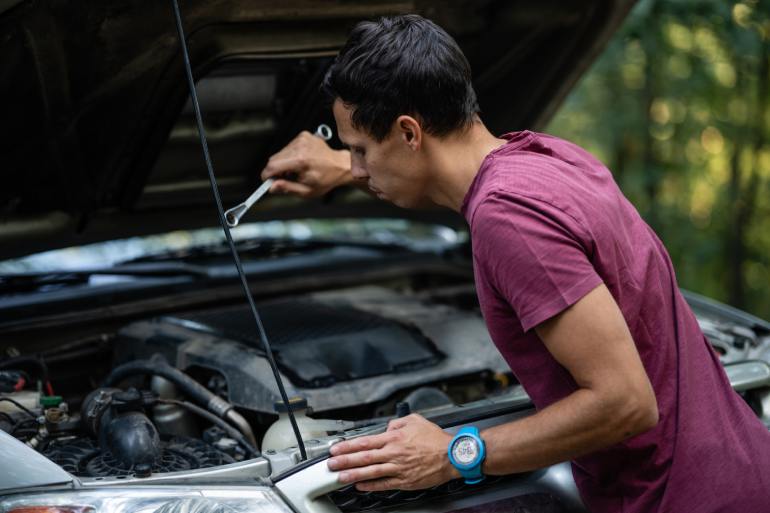
Modern automobiles have undergone a dramatic transformation over the past two decades. The days when a vehicle was purely a collection of mechanical gears, cables, and hydraulic lines are gone. Today, a typical passenger car operates more like a rolling data center, housing dozens of interconnected computers, miles of internal wiring, and intricate electronic sensors. While routine maintenance like changing an air filter or swapping a tire remains relatively straightforward, major mechanical and electronic overhauls require a vastly higher level of skill.
When a vehicle experiences a severe system failure, relying on a general generalist or an untrained mechanic can lead to improper repairs, inflated costs, and severe safety hazards. Entrusting complex auto repair projects to certified technicians ensures that the vehicle is diagnosed correctly, repaired to factory specifications, and restored to optimal performance.
The Evolution of Vehicle Architecture and Diagnostic Complexity
To understand why certification matters, one must first recognize how intricate modern vehicles have become. A single luxury sedan or electric SUV can contain anywhere from 50 to more than 100 Electronic Control Units (ECUs). These individual microprocessors manage everything from basic cabin temperature control to complex engine timing, transmission shift points, and collision avoidance systems.
These ECUs communicate across high-speed Controller Area Network (CAN bus) systems. A fault in one module can trigger warning lights or error codes in an entirely separate system. For instance, a failing wheel speed sensor might disable the anti-lock braking system, traction control, adaptive cruise control, and automatic emergency braking all at once.
Complex auto repair projects involve operations that go far beyond unscrewing a broken part and bolting on a new one. Examples of high-complexity automotive projects include:
-
Internal engine rebuilds, cylinder head replacements, and timing belt or chain overhauls
-
Automatic, dual-clutch, or continuously variable transmission (CVT) rebuilding and recalibration
-
In-depth electrical architecture troubleshooting, including CAN bus communication loss and parasitic battery draws
-
High-voltage battery pack, inverter, and thermal management repairs on hybrid and electric vehicles
-
Comprehensive calibration of Advanced Driver Assistance Systems (ADAS) following structural or suspension work
Attempting these repairs without formal training often leads to misdiagnosis, unnecessary parts replacement, and damage to surrounding components.
Decoding Technician Credentials: ASE and OEM Certifications
Not all auto repair credentials are the same. Understanding the distinction between general mechanical experience and recognized industry certifications helps vehicle owners make informed decisions.
Automotive Service Excellence (ASE) Certification
The National Institute for Automotive Service Excellence (ASE) is the standard-bearer for technician credentials in North America. To earn ASE certification, a technician must pass rigorous exams covering specific vehicle systems and demonstrate at least two years of relevant hands-on work experience.
Technicians can earn certifications in specialized areas, including:
-
Engine Repair (A1)
-
Automatic Transmission/Transaxle (A2)
-
Suspension and Steering (A4)
-
Brakes (A5)
-
Electrical/Electronic Systems (A6)
-
Heating and Air Conditioning (A7)
-
Engine Performance (A8)
Technicians who pass all core tests earn the prestigious designation of ASE Master Automobile Technician. Recertification is required every five years to ensure technicians stay informed about changing technology.
Factory Original Equipment Manufacturer (OEM) Certification
Factory certifications are provided directly by vehicle manufacturers such as Ford, General Motors, Toyota, BMW, or Mercedes-Benz. Technicians undergo intensive classroom and hands-on training provided by the automaker. They learn the exact engineered tolerances, technical service bulletins (TSBs), and proprietary diagnostic equipment designed specifically for that brand’s model lineup.
Primary Risk Areas in Complex Auto Repairs
Complex auto repairs carry a low tolerance for error. A minor oversight during an intricate repair can destroy major components in seconds. Below are the core technical domains where certified expertise is vital.
Advanced Diagnostics vs. Guesswork
Uncertified mechanics often rely on basic code readers that output generic diagnostic trouble codes (DTCs). However, a diagnostic code only indicates that a parameter is out of spec; it does not identify the root cause. For example, a code for a lean fuel mixture could stem from a vacuum leak, a faulty mass airflow sensor, low fuel pressure, or a clogged fuel injector.
Certified technicians use dedicated oscilloscope tools, high-tier diagnostic scanners, and systematic troubleshooting trees to measure voltage signals, wave patterns, and fluid pressures. They isolate the actual root cause rather than replacing functional parts until the problem vanishes.
Precision Mechanical Tolerances
Internal powertrain components demand exact measurements down to thousandths of an inch. When replacing a cylinder head or rebuilding a differential, technicians must measure bearing clearances, deck flatness, and gear backlash using micrometer gauges and dial indicators.
Furthermore, modern engines rely heavily on torque-to-yield (TTY) fasteners. These single-use bolts stretch when tightened to a specific angle to maintain clamping force. Certified technicians follow exact factory service manual sequences, using calibrated torque wrenches and angle gauges. Skipping these steps can cause head gasket failure, oil leaks, or catastrophic engine destruction.
Advanced Driver Assistance Systems (ADAS) Calibration
Safety features like lane departure warnings, automatic emergency braking, and blind-spot monitoring depend on cameras and radar units mounted in windshields, bumpers, and side mirrors. Whenever a vehicle undergoes major suspension work, wheel alignment, windshield replacement, or front-end repair, these sensors must be recalibrated.
Certified technicians utilize specialized static target frames and dynamic test-drive calibration sequences. A misaligned camera by even one degree can cause a safety system to misjudge distances by yards on the highway, posing a severe hazard to occupants.
High-Voltage Safety on Hybrid and Electric Vehicles
Hybrid and battery electric vehicles operate on direct current systems ranging from 300 to over 800 volts. Exposure to high-voltage lines can cause severe injury or death. Certified EV technicians are trained in high-voltage isolation procedures, personal protective equipment (PPE) requirements, thermal runaway prevention, and specialized non-conductive tooling before touching high-voltage disconnects.
The Economic Impact: Saving Money Through Correct Repair
A common myth is that hiring certified technicians is always more expensive. While their hourly labor rate may be higher than an unqualified repair shop, the overall cost of the repair project is often lower.
-
Eliminating the Parts Cannon: Uncertified shops may replace multiple expensive sensors and modules while trying to pinpoint a problem. A certified professional accurately identifies the single broken component on the first attempt.
-
Preventing Secondary Damage: Incorrectly routed wiring, improperly torqued bolts, or mismatched hydraulic fluids can trigger secondary failures that cost thousands of dollars to correct later.
-
Preserving Warranty Coverage: Automakers require specific procedures and genuine or approved parts to keep factory or extended warranties intact. Improper repair techniques by unqualified personnel can void existing coverage.
-
Long-Term Vehicle Resale Value: Detailed service records showing repairs performed by certified facilities provide prospective buyers with confidence, maintaining the vehicle’s market value over time.
Frequently Asked Questions (FAQ)
What is the difference between an ASE certification and a state mechanic license?
An ASE certification is a nationally recognized credential that tests a technician’s technical competence and hands-on experience through standardized testing. A state mechanic license, where required, is a government-issued registration or permit that allows an individual or shop to perform commercial automotive repairs within that state, often focusing on consumer protection and environmental compliance rather than advanced diagnostic testing.
How often do automotive technicians need to renew their certifications?
ASE certifications require re-testing every five years to ensure technicians keep pace with rapid technological advancements in automotive engineering. Factory OEM certifications typically require ongoing annual or bi-annual coursework, along with web-based training modules whenever new vehicle models or powertrain systems are released.
Can an independent shop with certified technicians service my vehicle without voiding my factory warranty?
Yes, under the Magnuson-Moss Warranty Act in the United States, vehicle owners are not required to have routine maintenance or non-warranty repairs performed exclusively at a dealership to maintain factory warranty coverage. As long as the work is performed according to manufacturer specifications and documented with clear invoices, your factory warranty remains valid.
How can a vehicle owner verify if a repair shop employs certified technicians?
Repairs shops that employ certified staff usually display ASE credentials on their signage, customer service counters, or official website. You can also ask the service advisor directly to see the credentials of the technician assigned to your specific vehicle, or search the official ASE shop locator database online.
Do certified master technicians bring their own specialized tools to a shop?
Technicians typically invest tens of thousands of dollars of their own money into personal hand tools, air tools, torque wrenches, and basic diagnostic equipment. However, high-cost specialized tools, such as factory-specific software diagnostic laptops, ADAS calibration target arrays, and high-voltage EV battery lifts, are provided directly by the repair facility.
Is it necessary to hire a certified technician for older vehicles past their warranty period?
Yes, hiring a certified technician remains crucial for older vehicles, especially when dealing with complex problems like engine misfires, transmission slippage, or electrical gremlins. Older vehicles often present unique challenges due to brittle wiring harnesses, worn mechanical tolerances, and age-related rust, requiring experienced diagnostic skill rather than trial-and-error repairs.
What specific certifications should I look for after a major collision repair?
For collision and structural repairs, look for technicians certified in ASE B2 through B5 (Paint and Refinishing, Non-Structural Analysis, Structural Analysis, and Mechanical/Electrical Components) as well as I-CAR (Inter-Industry Conference on Auto Collision Repair) Platinum recognition. These credentials confirm that the technician understands frame straightening, structural aluminum welding, airbag replacement, and sensor re-calibration.