

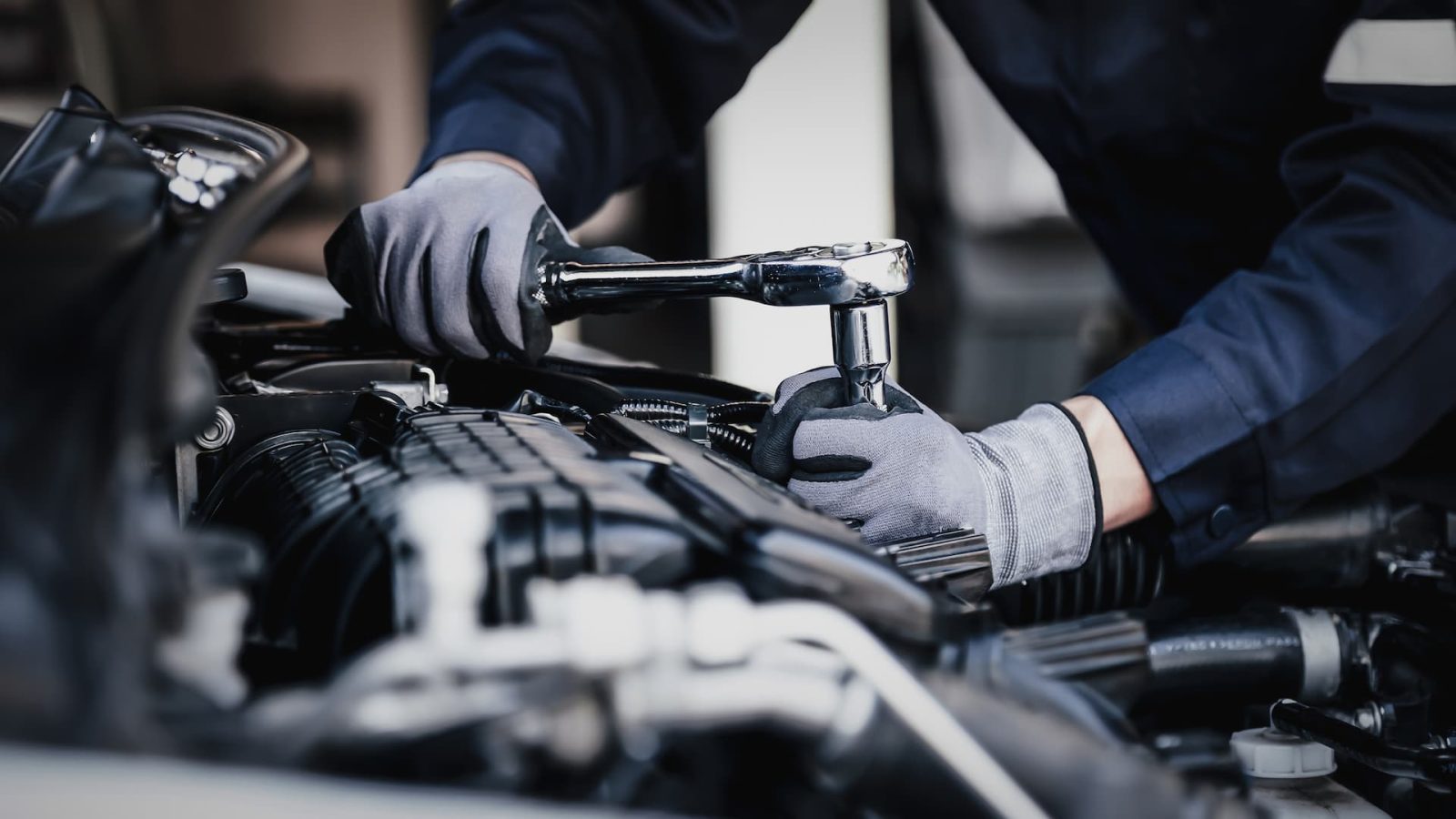
Owning a car isn’t cheap—but many of the biggest expenses don’t come from fuel or insurance. They come from avoidable maintenance mistakes. Small oversights quietly snowball into major repairs, reduced resale value, and even safety risks. Understanding what not to do can save you thousands over the life of your vehicle.
Below are the most common car maintenance mistakes drivers make—and how to avoid paying for them later.
Ignoring Regular Oil Changes
Skipping or delaying oil changes is one of the fastest ways to damage an engine. Motor oil lubricates internal components, reduces friction, and carries away heat.
When oil breaks down or runs low:
- Engine parts grind against each other
- Sludge builds up inside the engine
- Fuel efficiency drops noticeably
What it really costs: A routine oil change is inexpensive. Replacing a damaged engine is not.
Driving on Worn or Underinflated Tires
Tires are easy to overlook until something goes wrong. Driving on bald, uneven, or underinflated tires creates multiple problems at once.
Common consequences include:
- Poor traction and longer braking distances
- Uneven suspension and steering wear
- Reduced fuel economy
Hidden expense: Tires in poor condition strain other components, leading to costly alignment and suspension repairs.
Skipping Brake Inspections
Many drivers wait until they hear grinding or squealing before checking their brakes. By then, the damage is already done.
Neglected brakes can result in:
- Warped rotors
- Damaged calipers
- Longer stopping distances
Smart move: Replacing brake pads early is far cheaper than replacing the entire braking system.
Overlooking Warning Lights
Dashboard warning lights are not suggestions—they’re alerts. Ignoring them often turns a small fix into a major repair.
Common mistakes include:
- Driving for weeks with the check engine light on
- Ignoring temperature warnings
- Dismissing oil pressure alerts
Reality check: Many warning-light issues are affordable if addressed early, but expensive when ignored.
Neglecting Fluid Checks and Replacements
Your car relies on several critical fluids besides oil. These fluids degrade over time and need periodic replacement.
Key fluids drivers forget:
- Transmission fluid
- Brake fluid
- Coolant
- Power steering fluid
Why it matters: Old or contaminated fluids cause internal corrosion and overheating, shortening component lifespan.
Putting Off Small Repairs
That minor rattle or vibration might seem harmless, but small problems rarely stay small.
Delaying repairs can lead to:
- Chain reactions affecting multiple systems
- Breakdowns at inconvenient times
- Higher labor and parts costs later
Rule of thumb: If something feels off, it probably is.
Using Cheap or Incorrect Parts
Saving money on low-quality parts often backfires. Cheap components wear out faster and may damage surrounding systems.
Examples include:
- Low-grade brake pads
- Incorrect oil type
- Poor-quality filters
Long-term impact: Paying slightly more for the right parts reduces repeat repairs and protects your vehicle’s value.
Skipping Scheduled Maintenance
Every vehicle comes with a manufacturer-recommended maintenance schedule. Ignoring it is a costly gamble.
Missed services often include:
- Timing belt replacement
- Spark plug changes
- Transmission servicing
Bottom line: Preventive maintenance is always cheaper than emergency repairs.
Poor Driving Habits That Increase Wear
Maintenance isn’t just about repairs—it’s also about how you drive.
Costly habits include:
- Hard acceleration and braking
- Riding the brakes downhill
- Overloading the vehicle regularly
Result: Faster wear on brakes, suspension, transmission, and tires.
Forgetting About Resale Value
Inconsistent maintenance doesn’t just cost you now—it costs you later when selling or trading in your car.
Buyers look for:
- Service records
- Well-maintained interiors and exteriors
- Smooth engine performance
Well-maintained cars command higher prices, plain and simple.
Frequently Asked Questions (FAQs)
1. How often should I really service my car?
Most vehicles need basic servicing every 5,000–10,000 miles, but always follow the manufacturer’s schedule for major services.
2. Are warning lights always serious?
Not always, but they should never be ignored. Even minor alerts can signal developing problems.
3. Can skipping maintenance void my warranty?
Yes. Missing required services can invalidate warranty coverage for certain repairs.
4. Is DIY maintenance enough to save money?
Basic tasks help, but professional inspections catch issues you can’t easily see at home.
5. Does aggressive driving really increase repair costs?
Absolutely. Aggressive driving accelerates wear on brakes, tires, and drivetrain components.
6. How much can preventive maintenance actually save?
Preventive care can save thousands over a vehicle’s lifetime by avoiding major breakdowns.
7. What’s the most commonly ignored maintenance item?
Fluid replacements—especially brake and transmission fluids—are often neglected but critically important.
Avoiding these common car maintenance mistakes doesn’t require expert knowledge—just attention and consistency. Treat maintenance as an investment, not an expense, and your car (and wallet) will thank you.