

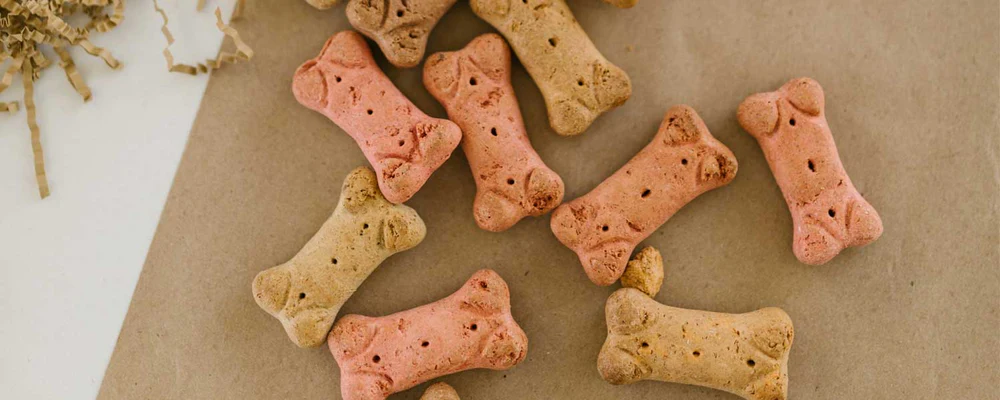
Dog treats have become more than occasional rewards. They are used for training, bonding, enrichment, dental support and everyday routines, which means quality matters. For businesses comparing options from a dog treat manufacturer, it is important to think carefully about ingredients, texture, safety, packaging and how the product fits the needs of modern pet owners.
Treats Need a Clear Purpose
Not every dog treat is designed for the same use. Some are made for training, where small size and quick eating matter. Others are designed as longer-lasting chews, functional snacks, dental treats or high-value rewards for behaviour support.
Understanding the purpose of the treat should come before decisions about flavour, shape or packaging. A training treat should be easy to carry, low-mess and suitable for repeated use. A dental-style treat may need a firmer texture and a shape that encourages chewing. A softer treat may be better for older dogs or smaller breeds.
When a product has a clear role, it is easier for retailers and pet owners to understand where it fits. A vague treat may still sell, but a well-positioned product is more useful and easier to communicate.
Ingredients Matter to Pet Owners
Pet owners are increasingly careful about what they feed their animals. Many now read labels closely, looking for recognisable ingredients, clear protein sources and products that feel suitable for their dog’s age, size or sensitivities.
This does not mean every treat needs to follow the same formula. Some may focus on meat or fish protein, while others may include vegetables, grains, functional ingredients or limited-ingredient recipes. What matters is transparency. Customers want to understand what is in the product and why it is there.
Ingredient quality also affects palatability. A treat may look good on the shelf, but if dogs do not enjoy it, repeat purchases are unlikely. Flavour, aroma and texture all play a part in making a treat appealing.
Safety and Consistency Are Essential
Pet food manufacturing needs strong quality control. Treats should be made in a way that supports food safety, consistency and traceability. This includes careful sourcing, hygienic processing, reliable formulation and suitable packaging.
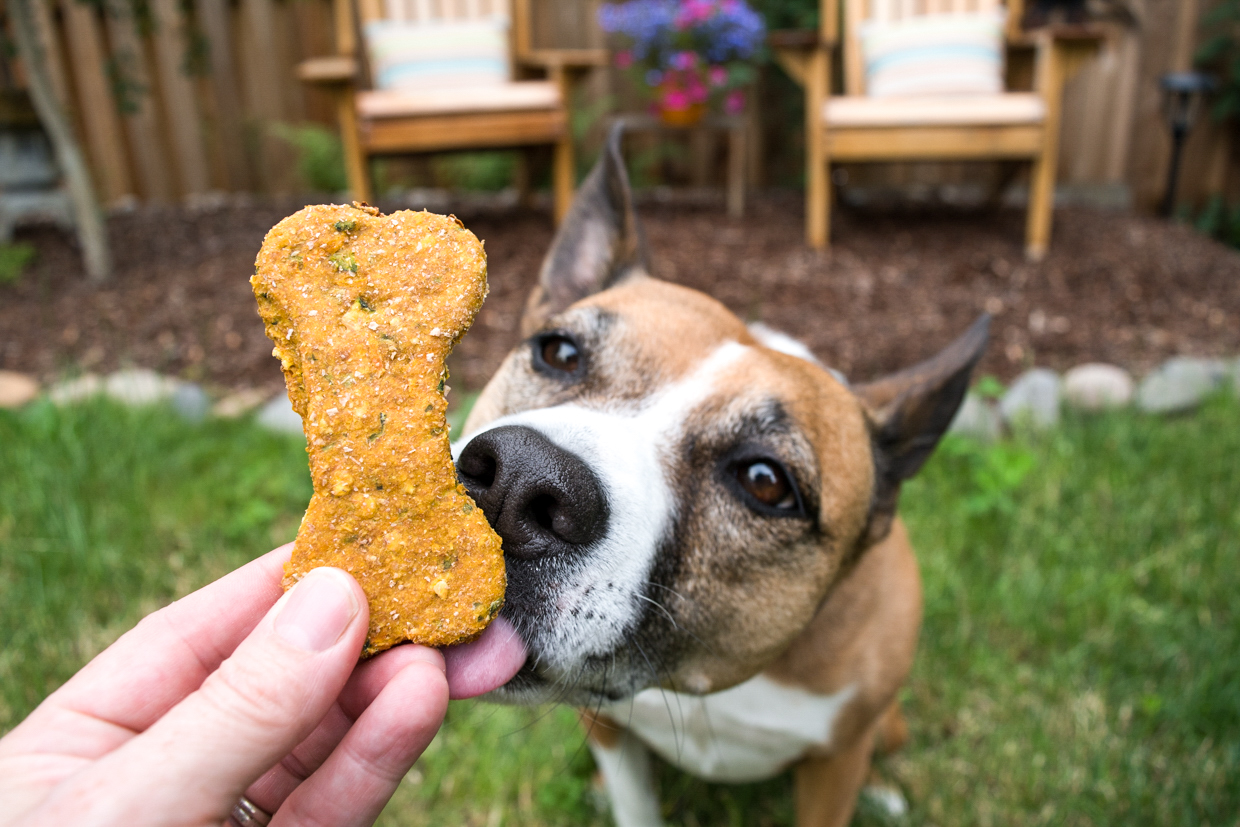
Consistency is especially important for brands selling through retail, ecommerce or private label channels. Customers expect the same product experience each time they buy. If texture, smell, size or appearance changes too much between batches, it can affect trust.
Manufacturers should also consider shelf life, storage conditions and packaging performance. A product that becomes stale, breaks easily or loses aroma too quickly may disappoint customers even if the original formulation is good.
Texture and Format Influence Use
The physical format of a dog treat can shape how it is used. Small pieces are practical for training because they can be given frequently without overfeeding. Soft treats may suit puppies, senior dogs or dogs with dental sensitivity. Crunchier treats may appeal to owners looking for a more satisfying chewing experience.
Shape can also matter. Uniform pieces can make portion control easier, while distinctive shapes may help a product stand out. However, appearance should not come at the expense of practicality. Treats should be safe, appropriately sized and suitable for the dogs they are intended for.
Packaging should support the format too. Resealable packs, clear labelling and portion guidance can all make the product more convenient for everyday use.
Building Trust Through Clear Positioning
The pet treat market is competitive, so brands need more than an attractive pack. They need a clear reason for the product to exist. This could be based on protein source, texture, training use, functional benefit, ingredient simplicity or suitability for certain dog sizes.
Claims should be made carefully and responsibly. Pet owners value helpful information, but exaggerated promises can damage trust. Clear feeding guidance, ingredient transparency and honest product positioning are more useful than overcomplicated messaging.
A good dog treat should be enjoyable for the dog and reassuring for the owner. When manufacturing decisions focus on purpose, quality, safety and consistency, the result is a product that can fit naturally into daily pet care and support long-term customer confidence.