

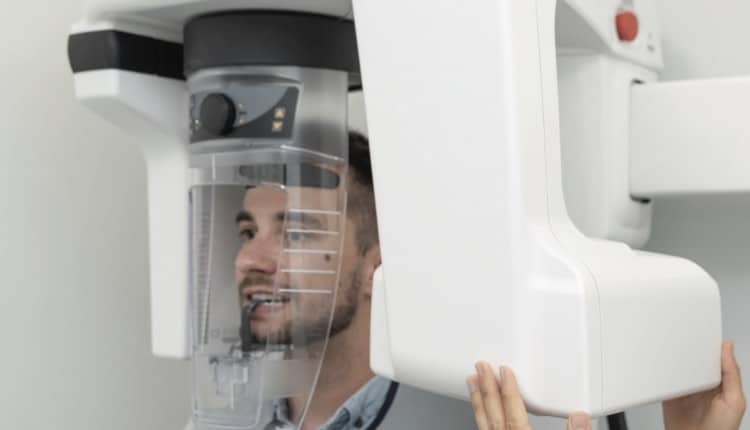
Disease diagnosis is an important component of treatment plans. Precise diagnostic findings pave the way for an accurate and effective treatment that may work well for the concerned disease or condition. Panoramic X-rays are excellent and innovative diagnostic imaging aids that help detect oral diseases at an early stage.
The general dentistry dentist specializes in various forms of dental x-rays, but panoramic x-rays are the most preferred due to greater precision and accuracy.
What is a panoramic x-ray?
A panoramic X-ray, also known as an OPG (orthopantomogram), is a type of dental imaging procedure that creates a single image of the entire mouth- the upper and the lower jaws, their temporomandibular joints, teeth, the nasal area, and the sinuses. The image provides a flat representation of your jaws that are curved, making it easier to analyze each part. The image of your whole mouth is captured on a single film, unlike traditional X-rays that can capture only a specific region.
Why is a panoramic x-ray used?
Panoramic X-rays or an OPG are used to diagnose and monitor the following oral pathologies and conditions:
- Gum disease
- Hidden tooth caries and cavities
- Oral abscesses (pus-filled painful boils) and cysts (clear fluid-filled sacs)
- Dental fractures
- Dislocated jaws
- Abnormal tooth development
- Impacted teeth
- Wisdom teeth development
- Dental implant planning
What are the benefits offered by a panoramic x-ray?
Panoramic X-rays are preferred over traditional x-rays due to the following benefits:
- Broad coverage of facial bones and teeth, including the TMJ
- Involves low patient radiation dose
- It is highly convenient when compared to traditional X-rays
- Helps in patients with restricted mouth opening
- Requires a short time to produce the images
- Helps in patient education and case presentation
How is a panoramic x-ray recorded?
The panoramic X-ray is performed by the same principles that are followed during a traditional X-ray.
- You will be taken to the radiology room and asked to remove any jewelry or metal accessories.
- You will be made to stand or sit still in front of the X-ray machine with your chin resting on a small chin rest.
- A bite block will be used to keep your mouth slightly open.
- The X-ray machine arm will rotate in a semicircle around your head along a specified angle, starting from one side of your jaw and ending at the other.
Wrapping up
Panoramic X-ray is a vital dental diagnostic tool that has accelerated the age-old dental diagnosis process by offering dentists instant access to images. These images offer excellent accuracy and precision with minimal discrepancies. This helps design appropriate treatment plans and execute them immediately, enabling the patient quick relief from oral pathologies.