

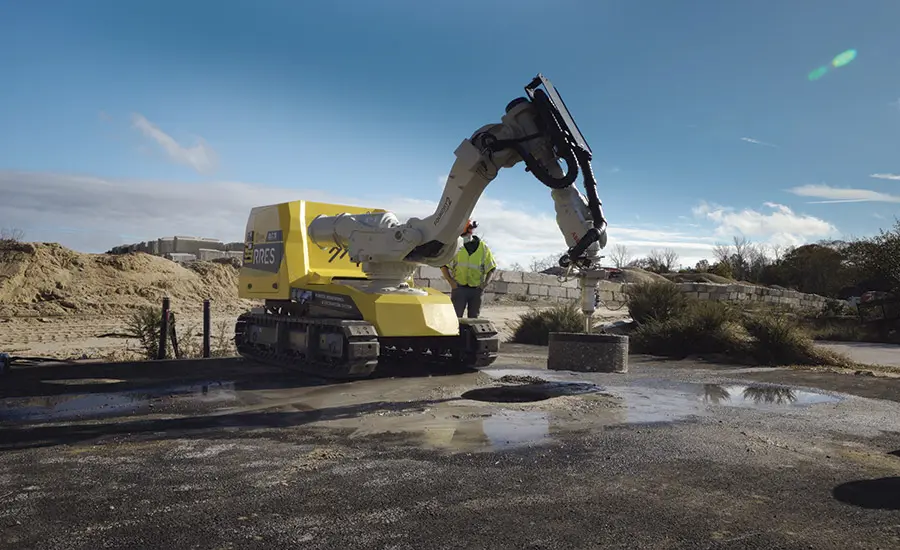
The excavation industry, especially in the realm of deep excavation, has undergone significant advancements with the advent of robotics technology. Excavating deep within the earth poses unique challenges such as safety risks, operational inefficiencies, and the difficulty of accessing hard-to-reach spaces. However, robotics is transforming how these projects are executed, offering solutions that improve efficiency, safety, and overall project quality. This article delves into the various ways robotics is making an impact on deep excavation projects, reshaping the landscape of construction and engineering.
1. Enhanced Precision and Accuracy
One of the most significant benefits of robotics in deep excavation projects is the enhanced precision they provide. Excavation often requires digging to precise depths and angles, where slight miscalculations can result in costly mistakes or project delays. Robotics offers unparalleled accuracy, allowing machines to follow exact measurements with minimal human intervention. Robotic systems are designed to work with advanced sensors, GPS, and artificial intelligence (AI) algorithms, ensuring that excavation tasks are performed with remarkable precision.
For example, robotic excavators can be programmed to dig at specific depths, ensuring that foundation work or utility installation is done according to the exact requirements of the project. This precision reduces the likelihood of costly rework, enhances the overall quality of the excavation, and minimizes the margin for error, especially in sensitive underground environments.
2. Improved Safety Standards
Safety is always a top concern in excavation projects, particularly when working at great depths where the risk of cave-ins, equipment malfunctions, and operator errors is significantly higher. Robotics plays a crucial role in mitigating these risks by removing human workers from the most dangerous aspects of deep excavation. With robotic machinery, operators can control machines remotely, keeping themselves out of harm’s way while still maintaining full control over the project.
Autonomous robotic systems are equipped with sensors and cameras that allow them to detect potential hazards in real-time. These systems can automatically halt operations if an unsafe condition is detected, such as soil instability or an obstruction that could cause damage to equipment or workers. By reducing the exposure of workers to dangerous environments, robotics enhances safety and minimizes the likelihood of accidents, ultimately saving lives and reducing insurance and liability costs for excavation companies.
3. Increased Efficiency and Productivity
Time is money in the excavation industry, and the integration of robotics has proven to significantly boost both efficiency and productivity in deep excavation projects. Traditional excavation methods often require long hours of manual labor, with human workers operating large machinery, and frequent downtime due to factors such as fatigue or weather conditions. Robotics, however, can operate continuously for extended periods, improving overall output.
Robotic systems can also perform tasks faster than human workers. For instance, robotic drills and excavation tools can bore through rock or soil much quicker than manual or conventional machines, reducing the overall time required to complete a project. This increase in speed allows companies to take on more projects in a given time frame, maximizing productivity and ultimately enhancing profitability.
Additionally, these robotic machines can work in environments that might be too harsh or dangerous for human workers, such as unstable ground, confined spaces, or areas with hazardous materials. This ability to operate in such conditions without downtime or risk contributes to a more efficient and streamlined excavation process.
4. Reduction in Operational Costs
While the initial investment in robotic technology can be substantial, the long-term benefits far outweigh the costs. Robotics reduces the need for extensive labor, particularly in specialized roles, allowing companies to operate with fewer workers. With fewer human operators required on-site, labor costs decrease, and projects can be completed more quickly, ultimately reducing the overall cost of the excavation.
Additionally, robotic systems are designed to be highly energy-efficient. With energy-efficient motors and automated systems that optimize energy consumption, these machines use less fuel or electricity compared to traditional excavation equipment. This results in lower fuel costs, a reduction in the carbon footprint, and less reliance on costly resources.
Furthermore, robots are highly durable and require less maintenance than conventional equipment. Their automation minimizes the wear and tear associated with human operation, which can reduce repair and maintenance costs over time.
5. Accessibility to Challenging Sites
Deep excavation projects often take place in remote or difficult-to-access locations where traditional excavation equipment may be unable to reach. Whether it’s an urban construction site with limited space, an underwater excavation, or a remote mountain site, robotics can provide the flexibility needed to tackle such projects. Robotic systems can be adapted to work in confined or hazardous spaces, making them a versatile tool for excavation projects that would otherwise be impossible or extremely difficult to manage.
For example, robotic systems that are designed for subterranean excavation can easily maneuver through narrow tunnels and shafts. Drones, robotic vehicles, and remotely operated machines can access locations where conventional equipment simply cannot fit, all while maintaining the accuracy and safety required for these challenging environments.
This versatility allows excavation companies to expand their scope of operations and take on projects in areas that were previously deemed too complex or expensive, opening up new revenue opportunities.
6. Sustainability and Environmental Impact
As the construction industry faces increasing pressure to minimize its environmental footprint, robotics is playing a key role in promoting sustainability within deep excavation projects. By improving efficiency, robotics minimizes the energy and resources consumed during excavation, leading to a reduction in environmental impact.
Moreover, robotic systems often incorporate advanced waste management features that allow for the recycling and repurposing of excavated materials. For example, robotic machines can sift through the excavated material, separating usable earth or minerals from waste, which can then be recycled or reused for other parts of the project. This contributes to a more sustainable approach to excavation by reducing the need for new materials and minimizing waste.
Robotic technology is also helping to reduce emissions. Because robots are energy-efficient and can work autonomously, they reduce the carbon footprint of excavation operations, supporting the construction industry’s move toward greener practices.
7. Data Collection and Project Management
Robotic systems are not just about physical excavation—they also provide valuable data that can improve project management. These machines are equipped with a variety of sensors that collect real-time data on factors like soil conditions, depth, and material composition. This data can be used to monitor the progress of the excavation, predict potential issues, and provide insights into the efficiency of operations.
Through the integration of robotics and data analytics, excavation companies can make more informed decisions, optimize workflows, and better communicate with clients about project status. The data collected by robotic systems also serves as an invaluable resource for future projects, allowing companies to improve their processes and outcomes over time.
The Future of Robotics in Deep Excavation
As robotics technology continues to advance, the potential for its application in deep excavation projects will only grow. From improving safety standards to increasing productivity and sustainability, robotics is poised to reshape the excavation industry. Companies that adopt these technologies early will be better positioned to stay competitive in an increasingly automated and tech-driven market, while also contributing to safer, more efficient, and environmentally conscious construction practices. The integration of robotics into deep excavation is not just a trend—it is becoming an essential tool for the future of construction.