

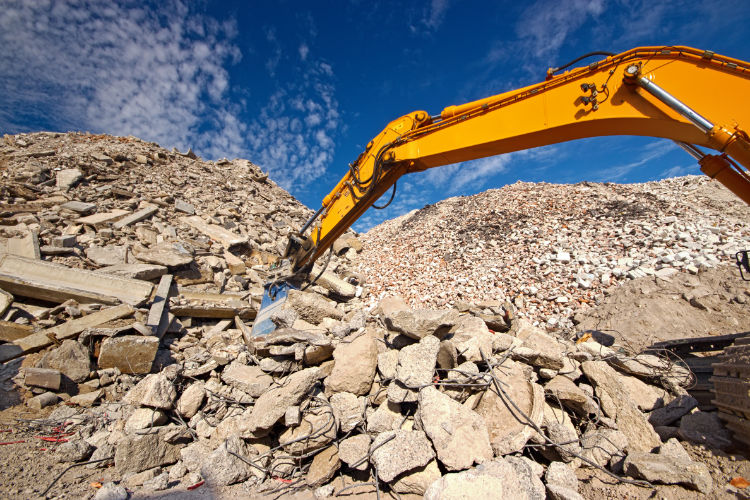
Managing excavation waste efficiently is essential for both environmental sustainability and cost-effectiveness. Construction and infrastructure projects generate vast amounts of soil, rock, and debris, and without a structured approach, this material can contribute to landfills, increase operational costs, and disrupt surrounding ecosystems. Implementing best practices ensures that waste is minimized, resources are utilized optimally, and projects adhere to regulatory standards.
Conducting a Thorough Site Analysis Before Excavation
A meticulous site analysis helps project managers anticipate the type and volume of material that will be displaced. Understanding soil composition, rock formations, and potential contaminants allows for strategic planning, reducing unnecessary excavation. By mapping out the excavation area accurately, teams can identify opportunities for reuse, thereby preventing waste before it is generated.
Designing for Minimal Disturbance
Excavation should be planned with precision to minimize disruption to the site. A well-structured design reduces the extent of digging, preserving as much of the original landscape as possible. Techniques such as trenchless technology, directional drilling, and phased excavation strategies limit excess material displacement. By integrating these methods, projects can function efficiently while maintaining ecological balance.
Segregating and Classifying Excavated Material
Once material is removed from the site, it should be categorized based on its potential for reuse. Clean soil, gravel, and rock can often be repurposed for backfilling, landscaping, or road construction. Contaminated material, on the other hand, must be handled according to environmental regulations. Proper classification prevents unnecessary disposal and maximizes resource efficiency.
Prioritizing On-Site Reuse
Reintegrating excavated material within the same project significantly reduces waste. Clean soil can be used for grading and contouring, while crushed rock serves as a foundation for infrastructure. When materials remain on-site, the need for transportation diminishes, cutting down on fuel consumption and associated emissions.
Partnering with Recycling Facilities
Materials that cannot be repurposed on-site should be redirected to specialized recycling centers. Concrete, asphalt, and brick can be processed into aggregate for new construction. Even organic material, such as tree roots and vegetation, can be converted into mulch or compost. Establishing partnerships with local recycling facilities ensures that waste is transformed into valuable resources rather than being discarded.
Implementing Efficient Transportation and Logistics
Transporting excavated materials should be optimized to reduce unnecessary trips and fuel usage. Bulk transportation, coordinated scheduling, and the use of eco-friendly vehicles contribute to sustainability efforts. Efficient logistics planning ensures that materials reach designated reuse or recycling sites promptly, preventing stockpiling and site congestion.
Utilizing Advanced Excavation Techniques
Innovative excavation methods significantly reduce waste generation. Precision excavation using GPS-guided equipment ensures that only the necessary amount of material is removed. Hydro excavation, which utilizes pressurized water, offers a controlled approach that minimizes soil disruption. By adopting these technologies, projects can maintain efficiency while preserving valuable resources.
Adhering to Regulatory and Environmental Standards
Compliance with environmental regulations is fundamental in excavation waste management. Many regions impose strict guidelines on waste disposal, soil contamination, and site restoration. Ensuring adherence to these standards not only prevents legal complications but also promotes responsible construction practices. Maintaining thorough documentation of waste handling processes further strengthens accountability.
Training and Awareness for Project Teams
A well-informed team plays a critical role in minimizing excavation waste. Conducting training sessions on material classification, on-site reuse strategies, and waste reduction techniques fosters a culture of sustainability. When personnel understand the impact of their actions, they are more likely to implement responsible waste management practices consistently.
Monitoring and Evaluating Waste Reduction Strategies
Continuous assessment of excavation waste management practices allows for improvement over time. Tracking material volumes, evaluating reuse percentages, and identifying inefficiencies help refine processes. Advanced software solutions offer data-driven insights, enabling teams to optimize waste reduction efforts on future projects.
Minimizing excavation waste requires a comprehensive approach that integrates planning, technology, and sustainable practices. By adopting these strategies, construction projects can enhance efficiency, reduce environmental impact, and contribute to a more responsible industry.