

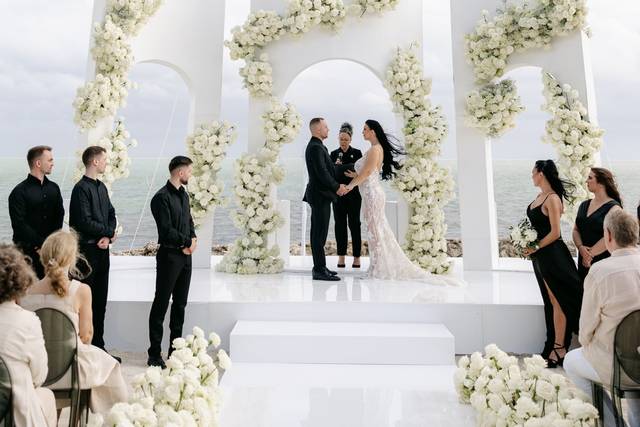
Planning a major life celebration can easily turn into a stressful endeavor if you lack a clear structure. Many couples dive into the process with boundless enthusiasm, only to burn out halfway through because they tackled tasks in the wrong order. Creating a realistic schedule prevents last-minute panic, keeps your budget intact, and ensures that every important detail receives proper attention. A proven timeline breaks down the massive undertaking of event coordination into manageable monthly milestones, giving you absolute clarity from engagement to the final dance.
Twelve to Eighteen Months Out
The initial phase sets the solid foundation for everything that follows. During this window, you must make the big-picture choices that dictate availability, budget limits, and overall event scope. Rushing through this stage often leads to compromise later, so take your time to align your vision with your financial reality.
-
Determine your total budget: Sit down with all contributing parties and establish a firm maximum limit before spending a single dollar. Allocate percentages for the venue, catering, attire, and entertainment so you know your financial boundaries.
-
Draft the guest list: You need a preliminary headcount before touring venues because room capacity dictates where you can host your celebration. Group your attendees into strict tiers to manage fluctuations easily.
-
Secure the primary venue: Whether you want a rustic barn, a ballroom, or a scenic beach resort, premier locations book out over a year in advance. Lock down your date as your very first major action item.
-
Hire key high-priority vendors: Photographers, videographers, and popular bands or DJs often work only one event per day. Reserve these high-demand professionals immediately after confirming your venue date.
Nine to Eleven Months Out
Once the heavy structural decisions are complete, your focus shifts to curating the visual style and outfitting the wedding party. This period requires creative decision-making and establishing formal lines of communication with your hired professionals.
-
Establish the design aesthetic: Gather inspiration through color palettes and mood boards to define the ambiance. Share these concepts with your florist, rental companies, and decorators so everyone works toward a unified vision.
-
Shop for wedding attire: Wedding dresses, custom suits, and formal wear require extensive alterations and long manufacturing lead times. Order main garments at least nine months prior to walk down the aisle without tailoring anxiety.
-
Book secondary vendors: Secure your caterer if the venue does not provide food, along with makeup artists, hair stylists, and transportation providers. Schedule tastings to finalize menu selections well ahead of the season.
-
Create a wedding website: Build an online hub containing accommodation options, registry details, and event schedules. This portal serves as the primary resource for answering guest inquiries as the date approaches.
Six to Eight Months Out
Midway through your engagement, logistical details take center stage. You must address legal requirements, party arrangements, and guest logistics to keep the planning train moving smoothly.
-
Obtain wedding rings: Give yourselves ample time to shop for bands, handle custom engravings, and adjust sizing. This task is simple to procrastinate on, but doing it early eliminates unnecessary stress during the final weeks.
-
Send save-the-date cards: Mail these out roughly six to eight months before the event, especially if you have many out-of-town guests traveling for the weekend. This allows attendees to secure flights and book hotels without friction.
-
Select bridal party attire: Finalize bridesmaid dresses and groomsmen suits to ensure uniform delivery and sizing coordination. Set a firm deadline for your wedding party to complete their individual orders.
-
Plan the honeymoon: Book flights, hotels, and excursions for your post-wedding trip. Confirm that all passports and identification documents remain valid and match the names on your travel reservations.
Three to Five Months Out
The focus narrows toward personalization, stationery, and coordination specifics. At this stage, your abstract ideas transform into concrete elements that guests will interact with on the actual day.
-
Order invitations and paper goods: Design your formal invitations, ceremony programs, menu cards, and place settings. Ensure your stationery aligns with the overarching color scheme and design theme established earlier.
-
Plan the menu and cake: Finalize food choices, dietary restrictions, and beverage packages with your caterer. Design your wedding cake flavor profile and schedule a tasting session with the baker.
-
Purchase wedding favors and accessories: Buy guest favors, unity candles, guest books, and ring bearer pillows. Stock up on any minor day-of emergency kit supplies like stain removers and safety pins.
-
Schedule rentals: Confirm table linens, chairs, lighting equipment, and flatware quantities with your rental company based on your updated guest headcount.
Six to Eight Weeks Out
The final stretch is all about confirmation, final fittings, and creating the operational blueprint for the wedding day itself. Precision and organization are your best friends during this home stretch.
-
Mail formal invitations: Send out your invitations with a strict RSVP deadline set for three to four weeks prior to the wedding date. Keep a detailed spreadsheet tracking every response and meal choice.
-
Have final attire fittings: Step into your tailored garments to check for any necessary adjustments. Bring the exact shoes and undergarments you plan to wear to guarantee a flawless fit.
-
Apply for your marriage license: Research local county clerk requirements and secure your official marriage license within the legally mandated window, typically thirty to sixty days before the ceremony.
-
Create the day-of timeline: Draft a minute-by-minute schedule outlining hair, makeup, photography sessions, ceremony start times, and grand entrances. Distribute this document to all vendors and wedding party members.
The Final Week
The planning work is essentially complete, and your only job now is to transition into the celebration mindset while managing last-minute housekeeping items.
-
Confirm final headcount with vendors: Provide your final guest count and seating chart to the venue coordinator and caterer. Assemble final payment envelopes and tips in labeled, sealed envelopes for day-of distribution.
-
Pack your wedding day bag: Gather your perfume, touch-up makeup, breath mints, comfortable dancing shoes, and identification cards. Assign a trusted friend or family member to carry this kit.
-
Attend rehearsal and dinner: Walk through the ceremony choreography with your officiant and wedding party. Keep the evening relaxed and focus on enjoying time with your closest family members.
-
Get plenty of rest: Hydrate properly, disconnect from logistics management, and prioritize sleep so you wake up refreshed and ready to enjoy every single moment of your wedding day.
Frequently Asked Questions
What should we do if our venue falls through unexpectedly after signing the contract?
Review your contract immediately with legal scrutiny regarding force majeure or venue cancellation clauses. Contact your wedding insurance provider if you purchased a policy, and pivot quickly to secure a backup space that matches your contracted date and guest capacity.
How do we handle unexpected budget overruns mid-planning?
Identify non-essential items such as upgraded stationery or elaborate floral installations and scale them back immediately. Reallocate funds from your designated contingency buffer or adjust secondary elements to keep your core expenditures balanced.
What is the best way to handle difficult family dynamics when creating the guest list?
Set firm ground rules with your partner early and present a united front to family members demanding extra invitations. Allocate a specific number of seats for parents to distribute as they wish, keeping your total venue capacity strictly capped.
How far in advance should we schedule hair and makeup trials?
Book your trial sessions approximately three to four months before the wedding day. This timing ensures your look matches your finalized dress style and seasonal weather conditions without feeling rushed.
Can we plan a complete wedding in less than six months?
Planning a wedding in a compressed timeframe is entirely possible if you remain decisive and flexible with your date options. Choosing an off-peak day or a venue with open availability allows you to compress the standard twelve-month checklist into a rapid sprint.
What is the protocol for feeding wedding vendors on the big day?
Provide warm meals for your photographer, videographer, band members, and wedding planner, especially if their continuous shift exceeds six hours. Coordinate with your caterer ahead of time to include vendor meals in your final headcount.