

Why Comfort Needs Vary from Dog to Dog
Every dog is different. Age, lifestyle, and health conditions all affect how well a dog can tolerate colder temperatures. An older dog may become stiff or sluggish in the cold, while a younger, active dog may seem less bothered—at first. However, even energetic breeds can struggle with exposure to low temperatures over time, especially during longer outings.
The level of fat insulation, coat thickness, and muscle tone varies across breeds and life stages. A dog’s comfort level in the cold isn’t just about fur—it’s about how their body copes with environmental changes and whether they have the appropriate support when outside.
Why Outerwear Plays a Role
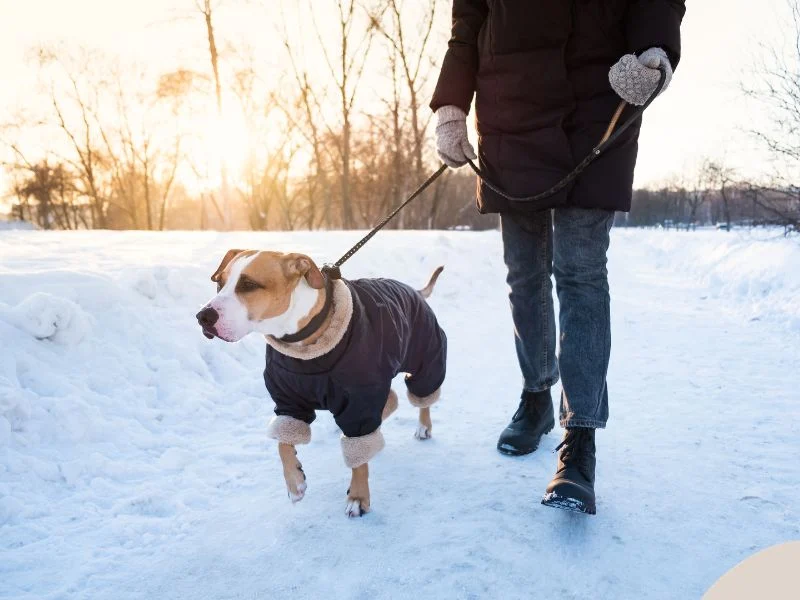
Dogs that are less active in cold conditions—either due to age or temperament—often benefit from some form of thermal protection. In many cases, dogs with naturally short coats or low body fat find it hard to retain warmth, especially during still or windy days. Greyhound jackets are a great example of gear that helps meet these needs, thanks to their tailored fit and lightweight insulation.
Younger dogs with high energy levels may not show signs of cold discomfort immediately, but prolonged exposure can still lower their body temperature. Active dogs who run through snow or wet grass also benefit from moisture-repellent materials to keep them dry and avoid post-walk chills.
Adapting to Your Dog’s Lifestyle
Consider your dog’s daily routine. If they’re out several times a day for longer walks, they may need sturdier gear than a dog who only has short garden breaks. Dogs who regularly accompany you on countryside hikes or long park runs may benefit from coats with extra coverage and breathable materials that wick away moisture.
Equally, a dog who mainly lounges at home but occasionally ventures out in cold weather may only need basic protection to help make those trips more comfortable. Matching the gear to your dog’s level of activity ensures they’re not over- or under-dressed.
Seasonal Shifts and Sensitivity
Pay attention to how your dog responds to changing seasons. Some dogs may only need outdoor gear in the depth of winter, while others may feel the cold as soon as autumn arrives. Watch for changes in behaviour, such as hesitancy at the door or rushing to return indoors—these could indicate discomfort with the temperature.
The key is to stay attuned to your dog’s body language and tailor their outdoor gear accordingly. A comfortable dog is more likely to enjoy their time outside, stay active, and maintain overall wellbeing.