
Business And Finance

Why Swiffer Wet Mops Leave a Sticky Film on Hardwood and Tile—and What Cleaners Use Instead

Walk across a freshly mopped kitchen floor in clean socks and you can tell within three steps whether the floor is actually clean. When your socks catch slightly against the planks or tile, leaving behind a dull sheen that shows every footprint ten minutes later, the culprit is almost always residue rather than missed dirt.
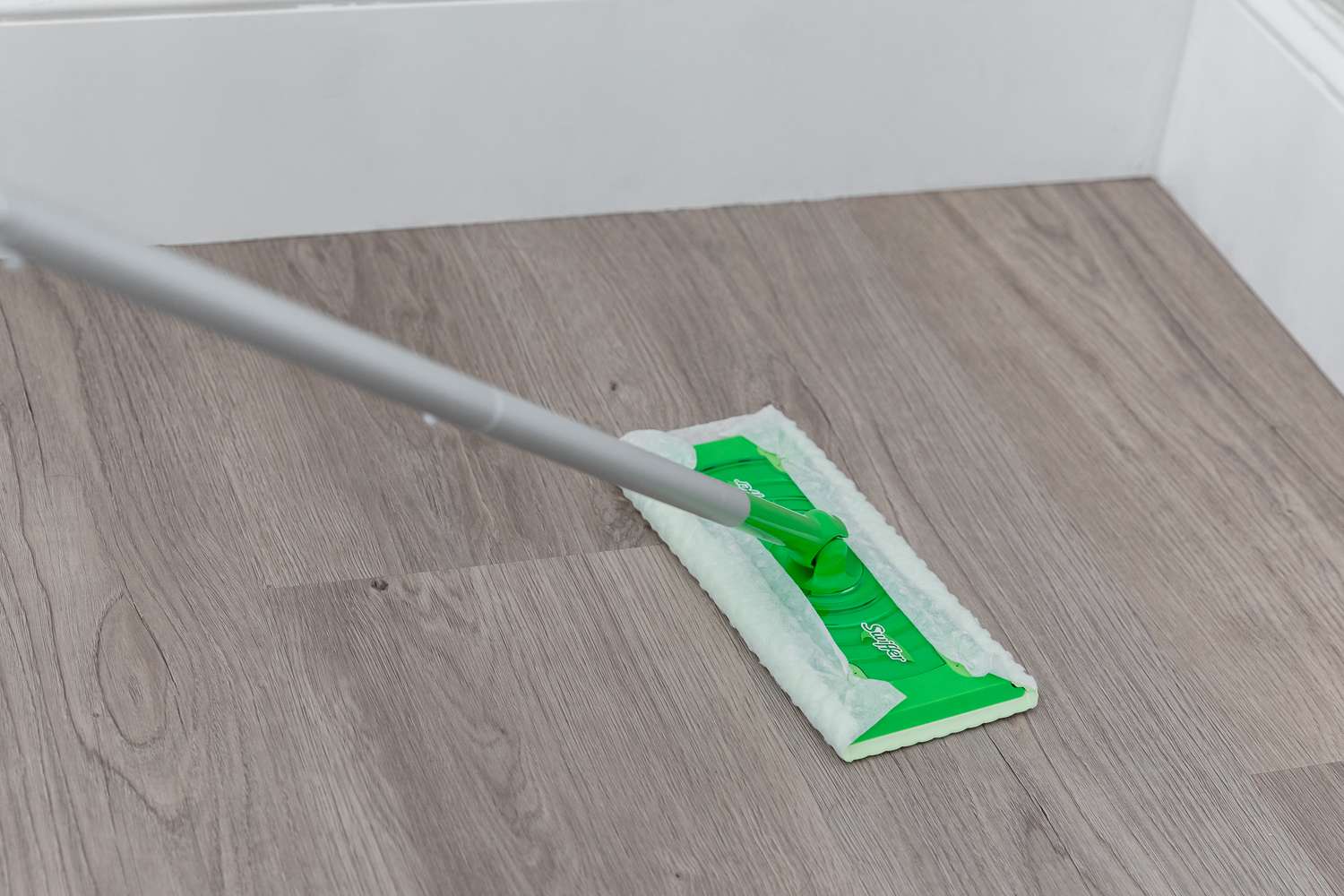
Disposable wet mopping systems—especially Swiffer WetJet and pre-moistened sweeping cloths—are popular because they turn mopping into a five-minute chore with zero bucket prep. Yet for homeowners with sealed hardwood, porcelain tile, or luxury vinyl, that convenience frequently comes with a frustrating side effect: a persistent, tacky film that seems to make floors get dirty faster after every cleaning. Understanding why that haze forms—and how professional house cleaners approach routine mopping—makes it much easier to restore a genuinely clean, bare-foot-smooth finish.

What Is Actually Happening on Your Floor

A disposable wet mop works very differently from a traditional rinse-and-extract cleaning method. Rather than lifting dirty water away from the floor and dumping it down a drain, spray mops and pre-soaked pads rely on a thin layer of cleaning solution that stays on the floor until it evaporates.
When water evaporates from a surface, anything dissolved inside that liquid does not disappear into the air with it. Surfactants, fragrance oils, polymers, and loosened body oils stay behind on the floor. Over a single quick spot-clean, that microscopic deposit is barely noticeable. Over weeks and months of weekly mopping, those leftover layers stack up into a cloudy, slightly tacky coating.

Why Residue Attracts More Dirt

The real annoyance of surfactant buildup is not just the dull look—it is how the film behaves once people and pets walk across it. Cleaning agents are designed to grab onto grease, skin oils, and dust. When dried detergent stays on the surface of polyurethane-sealed hardwood or glazed tile, it continues doing its job in reverse, acting like a faint magnet for tracked-in grit, pet dander, and cooking aerosols.
Many homeowners respond to a dull, sticky floor by mopping more often with the exact same solution. Each pass wets the old film, smears it around with fresh detergent, and lets an even thicker layer dry back down. Within a few months, sunlit rooms show streaky mop marks, dark traffic lanes appear near the stove or entryway, and tile grout starts holding onto grime it used to shed easily.

Why Hardwood and Tile Show Film Differently

Although the underlying chemistry is the same, hardwood and tile react to wet-mop buildup in slightly different ways.
On sealed hardwood, modern factory finishes—such as aluminum oxide or water-based polyurethane—are smooth, non-porous, and lightly satin or matte. Because the finish cannot absorb excess solution, every bit of leftover surfactant sits right on top of the clear coat. In angled afternoon light, even a thin detergent haze breaks up the natural sheen of the wood and highlights every pass of the mop head. Worse, using multi-surface pads formulated for general household grime rather than wood-specific cleaners can leave behind glossing agents or heavy fragrances that dull satin finishes.
On ceramic and porcelain tile, the tile body itself is dense and slick, while the grout lines sitting slightly lower are porous and textured. As you push a wet pad across the floor, liquefied dirt and soap solution pool along the grout joints and dry there. That is why tile floors often feel tacky underfoot while grout lines steadily darken, even in kitchens that get mopped every weekend.

Common Habits That Make Buildup Worse

Even a decent floor cleaner will leave streaks if the technique traps dirty liquid on the floor. A few everyday habits accelerate residue faster than people realize:
  • Over-spraying during pass after pass: Holding down the spray trigger repeatedly floods the floor with more solution than a thin disposable pad can absorb.

  • Using one pad for multiple rooms: Once a disposable pad saturates with emulsified kitchen grease and soap, pushing it into the hallway simply transfers diluted grime onto cleaner floors.

  • Mopping before thoroughly vacuuming: Fine dust mixed with wet cleaning solution turns into a thin paste that dries directly onto hardwood grain and tile texture.

  • Layering incompatible products: Switching between oil soaps, shine restorers, all-purpose sprays, and pre-wet cloths creates mixed chemical films that are stubborn to strip away.

What Professional Cleaners Use Instead

Professional residential cleaners rarely rely on disposable wet-pad systems for whole-home floor care, not because they dislike convenience, but because clean floors require mechanical soil removal and low-residue chemistry. Their standard setup is surprisingly simple and faster than most people expect once you get used to it.

Flat Microfiber Mops With Washable Pads

Instead of thin paper-blend pads, cleaners favor wide flat microfiber mops with thick, looped or split-fiber pads that attach via hook-and-loop backing. Split microfiber creates thousands of tiny edges that physically trap dust, grease, and dried spills instead of pushing liquid around.
Just as importantly, professionals bring multiple pads to a single job. Once one pad becomes damp and soiled—usually after covering one medium-sized room—they swap it for a fresh pad and toss the used ones into the washing machine afterward. Swapping pads prevents cross-contamination and keeps dirty solution from drying back onto the floor.

Neutral-pH, No-Rinse Concentrates Diluted Properly

Rather than pre-mixed retail sprays loaded with heavy perfumes and shine polymers, cleaners reach for neutral-pH floor cleaners formulated specifically to dry without a film. The secret lies in dilution. Most homeowners pour far too much concentrate into a spray bottle or bucket, assuming extra soap equals extra cleaning power. In reality, a small measured dose—often just a teaspoon or two per spray bottle of distilled or soft water—breaks surface tension enough to lift soil while leaving virtually nothing behind when it dries.
For sealed hardwood, pros mist the floor lightly—or mist the microfiber pad directly—so the wood is barely damp and dries within sixty seconds. Keeping moisture minimal protects wood seams and bevels from swelling while preventing puddles that dry into streaks.
For porcelain and ceramic tile, cleaners still avoid soaking the floor, but they use a slightly damper microfiber pad and periodically scrub grout lines with a dedicated neutral tile cleaner and a stiff nylon brush, followed by a clean damp microfiber pass to lift loosened residue.

How to Strip Existing Film Off Your Floors Safely

If your hardwood or tile already has months of sticky buildup, switching to a better mop will not instantly erase old layers on the first pass. You need to remove the accumulated detergent film before starting fresh.
  1. Vacuum or sweep thoroughly using a hard-floor setting with the beater bar turned off so grit does not scratch the surface.

  2. Mist lightly with warm water mixed with a tiny splash of plain white vinegar for tile, or use a dedicated residue-free hardwood floor cleaner on wood—avoiding vinegar or harsh degreasers on hardwood, as acidic or alkaline cleaners can gradually dull polyurethane finishes.

  3. Buff with a clean, dry microfiber pad immediately after damp-mopping. That second dry pass lifts suspended detergent before it has a chance to evaporate back onto the surface.

  4. Repeat once or twice over a few days if buildup is heavy, swapping to fresh microfiber pads as soon as they feel draggy or soiled.

Once the old coating is gone, floors feel noticeably smoother underfoot, dry evenly without hazy footprints, and stay clean longer between moppings—all with less effort than scrubbing through another layer of sticky residue.