

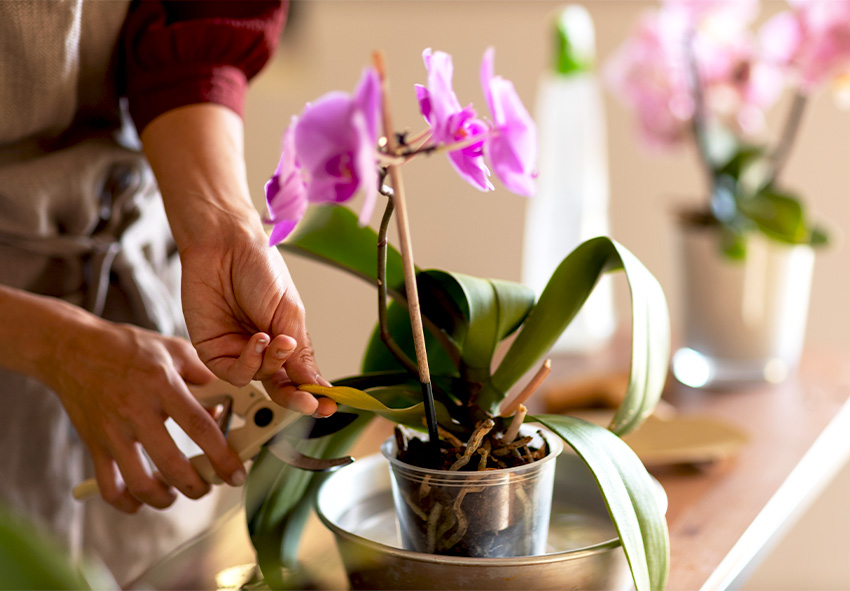
Orchids are admired for their colour, structure and elegance, but producing healthy plants at scale takes far more than attractive growing conditions. Behind each strong plant is a careful process involving propagation, climate control, growing knowledge and consistent handling. A well-run Thailand orchids farm can show how much skill sits behind the plants that eventually reach homes, gardens, hotels, retailers and export markets.
Orchids Are Not Ordinary Nursery Plants
Orchids have a reputation for being delicate, and while many varieties are more resilient than people assume, they still need careful management. Their roots, leaves, flowers and growing habits can differ significantly from more common ornamental plants.
This means production needs to be tailored. Light levels, humidity, watering, airflow and growing media all matter. Too much moisture can create problems, but too little can stress the plant. Strong sunlight may damage leaves, while poor light can affect growth and flowering.
A specialist farm understands these balances. Instead of treating orchids as general greenhouse stock, growers manage them according to their specific needs, variety and stage of development.
Climate Can Be An Advantage When Managed Well
Thailand’s warm climate can support orchid growing, but natural conditions still need careful control. Heat and humidity can be helpful, yet they can also increase the risk of disease, stress or uneven growth if not managed properly.
Successful orchid farming depends on turning climate into an advantage rather than leaving plants fully exposed to it. Shade structures, irrigation systems, ventilation and careful spacing can all help create a more stable environment.
This is especially important for commercial production. Customers expect plants to arrive healthy, attractive and consistent. Good climate management helps reduce losses and supports better quality across larger batches.
Growing Takes Patience
Orchids do not fit neatly into a fast production mindset. Many varieties need time to establish strong roots, develop healthy leaves and prepare for flowering. Rushing the process can affect the quality of the final plant.
Patience is part of the skill. Growers need to understand when a plant is ready for the next stage, whether that involves potting on, moving to a different growing area, adjusting feed or preparing for sale.
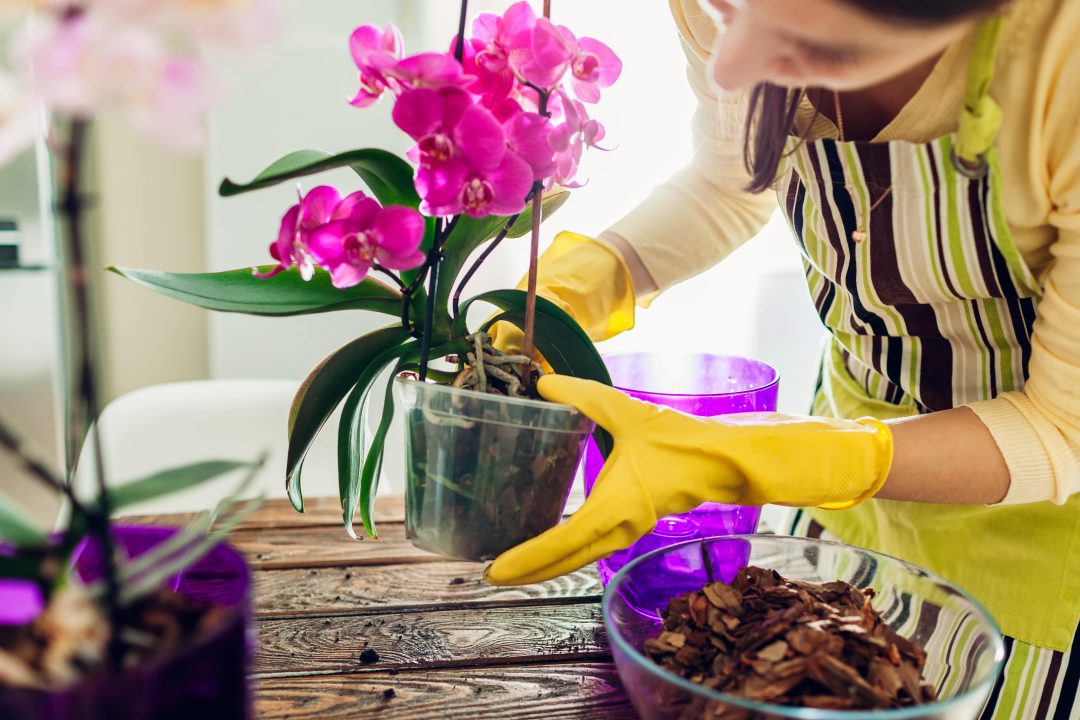
This slower rhythm is one reason orchids often feel special. Their final appearance may seem effortless, but it is usually the result of months or years of careful attention. The flower is only the most visible stage of a much longer growing process.
Consistency Matters For Buyers
For retailers, landscapers, exporters and hospitality businesses, orchid quality needs to be dependable. It is not enough for a few plants to look excellent while others vary widely in size, strength or flowering stage.
A professional orchid farm supports consistency through careful selection, propagation, monitoring and grading. Plants need to be checked regularly for health, development and appearance. Any weaker stock may need extra attention or removal from the main batch.
This helps buyers plan with more confidence. Whether orchids are being used for retail display, interior decoration, events or long-term planting schemes, predictable quality makes the supply chain easier to manage.
Orchids Carry Cultural And Commercial Value
Orchids are more than decorative plants. In Thailand, they are closely associated with beauty, hospitality, gifting and export horticulture. Their visual impact makes them popular in hotels, restaurants, spas, homes and public spaces.
This gives orchid farming both cultural and commercial importance. A healthy plant can enhance a setting immediately, while a reliable supply supports businesses that depend on presentation and atmosphere.
For international buyers, Thai orchids can also represent a connection to a country known for tropical planting and ornamental horticulture. Quality matters because the plant carries that impression with it.
The Best Plants Start With Knowledge
A beautiful orchid may be judged by its flowers, but its quality begins much earlier. Roots, leaves, structure, disease resistance, handling and growing conditions all influence how well the plant performs after it leaves the farm.
Specialist growers understand that every stage matters. Propagation, nursery care, climate control and final selection all contribute to the result. When these processes are managed properly, orchids are more likely to arrive strong, attractive and ready to thrive.
For anyone buying orchids commercially or simply appreciating them as plants, it helps to recognise the work behind them. The elegance of an orchid is not accidental. It is grown through knowledge, patience and careful attention from the very beginning.