

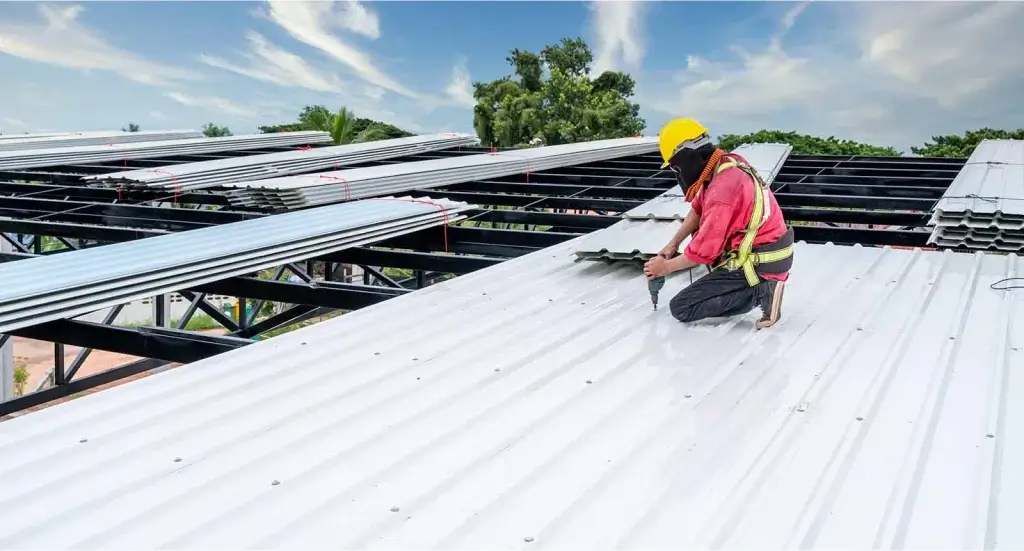
Commercial roofing is undergoing an impressive transformation, driven by technological advancements and the growing demand for sustainable construction practices. For businesses across Australia, investing in durable and cost-effective solutions isn’t just about reducing maintenance costs; it’s a strategic decision to create long-term value.
This blog explores the latest trends shaping the future of commercial roofing, focusing on durability, sustainability, and efficiency, while highlighting how these solutions are adapted for Australian environments.
The Importance of Durable Roofing Systems
Australia’s diverse climate puts commercial buildings under significant stress. From Perth’s dry heat to Melbourne’s unpredictable rain, roofing materials must be designed to withstand a range of environmental challenges.
Here are some of the key attributes modern durable roofing systems focus on:
- Robust materials like metal and high-quality polymers for extended lifespan.
- UV-resistant coatings aimed at protecting roofs from Australia’s harsh sun.
- Increased thermal insulation to improve energy efficiency across all seasons.
Durable roofing systems ensure minimal wear and tear, reducing repair costs and ensuring operational efficiency even under extreme conditions.
Cost Effective Roofing Options for Businesses
Achieving durable solutions doesn’t necessarily mean breaking the budget. Modern roofing technologies make it more affordable for businesses to invest in efficient alternatives. This affordability can benefit businesses, particularly smaller enterprises, by providing a higher return on investment.
Current cost-effective approaches include:
- Metal roofing systems, highly favoured for lifespan and affordability.
- Reflective roofing, which reduces energy costs by minimising heat absorption.
- Modular components, allowing for easy installation and replacements.
These solutions highlight opportunities for businesses to plan roofing upgrades without overextending financially.
Sustainability in Commercial Roofing
Australian companies are increasingly prioritising eco-friendly roofing options, encouraged by both regulatory shifts and the growing emphasis on green building designs.
Current innovations in this area include:
- The integration of solar panels into roofing materials, reducing energy reliance.
- Use of recycled materials like metal and reclaimed shingles for new installations.
- Green roofs that incorporate vegetation, helping regulate temperature and providing aesthetic appeal.
Sustainability isn’t just a corporate responsibility; for many businesses, these features provide cost benefits by improving energy efficiency.
The Role of Technology in Modern Roofing
Innovative roofing solutions now include technology-driven tools that take precision and efficiency to new levels. Through platforms such as https://prcbuildingservices.com.au/, businesses have access to cutting-edge roofing services that enhance durability and offer long-lasting options.
Technology-driven approaches include:
- Drone inspections, improving safety and accuracy during assessments.
- Smart roofs capable of monitoring structural integrity in real-time.
- AI-driven predictive analysis to ensure timely maintenance and prevent damage.
These advancements are revolutionising how businesses address their roofing needs, ensuring proactive measures that create long-term value.
Preparing for the Future
Investing in advanced commercial roofing systems today is a strategic move that businesses in Australia can’t afford to overlook. Durable and cost-effective roofing ensures operational reliability, while sustainable and smart technologies provide financial and environmental benefits.
With trusted providers like PRC Building Services offering tailored solutions, Australian businesses can create a roofing strategy designed for current needs and the future. Stay ahead by exploring the best options for your business needs via PRC Building Services.
By preparing now, your business gains more than a roof; it earns resilience, savings, and a step into the future of sustainable building.