

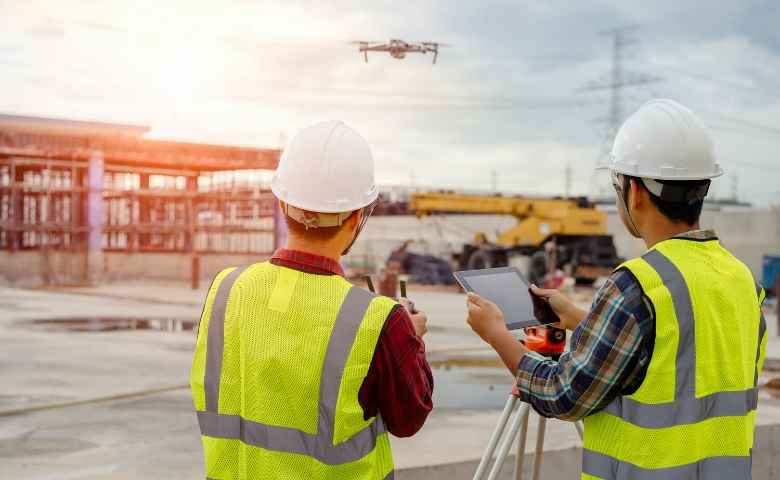
In the realm of UK home construction, the tide is turning towards smarter solutions and technological innovations. Builders across the nation, including Shrewsbury builders, are increasingly adopting new methods and technologies to improve efficiency, sustainability, and quality in building projects. This shift not only caters to the growing demand for green and intelligent homes but also aligns with global trends in reducing the construction industry’s carbon footprint. Let’s delve into how embracing technology is reshaping UK home construction for the better.
The Rise of Sustainable Construction Materials
One of the most significant changes in the construction industry is the move towards sustainable building materials. Traditional construction materials are being replaced or supplemented with eco-friendly alternatives that offer better energy efficiency and reduced environmental impact. For instance, hempcrete, made from the hemp plant’s woody stems, is gaining popularity for its excellent insulation properties and carbon-negative production process.
Moreover, the use of recycled materials in construction is on the rise. Recycled steel, glass, and plastic are finding their way into new builds, helping reduce waste and conserve natural resources. These materials not only support environmental sustainability but also often come with the added benefit of cost savings over their traditional counterparts.
Smart Technology Integration in Homes
Smart technology is revolutionising home construction and management, offering unprecedented levels of comfort, security, and efficiency. Automated systems for heating, lighting, and security can now be seamlessly integrated into the fabric of new homes, making them more adaptable to the needs of their inhabitants. These systems can be controlled remotely via smartphones or voice-activated devices, offering convenience and energy savings by ensuring that appliances and heating systems are only active when needed.
Furthermore, the integration of renewable energy sources, like solar panels and heat pumps, into home designs is becoming standard practice. This not only reduces the reliance on fossil fuels but also offers homeowners the potential for significant savings on energy bills and even income through feed-in tariffs for surplus energy returned to the grid.
The Impact of Digital Design and Construction
Digital tools and software are playing a pivotal role in transforming the construction process. Building Information Modelling (BIM) technology allows for the creation of detailed digital models of buildings before construction begins. This facilitates better planning, reduces the risk of errors, and allows for more accurate cost estimation. Moreover, these models can be used to simulate energy efficiency and optimise the design for better performance.
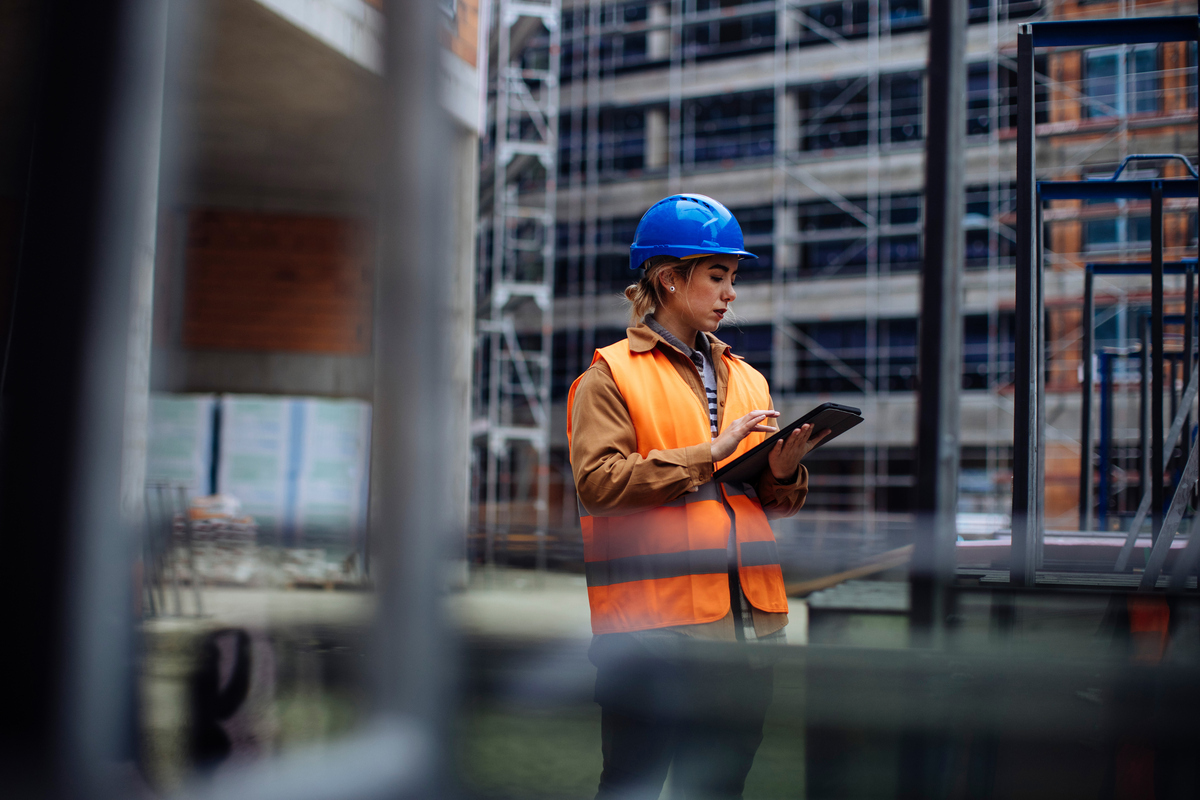
3D printing is another technological advancement making waves in the construction industry. It enables the production of complex building components with precision and at a lower cost, all while reducing material waste. This technology has the potential to significantly speed up the construction process and offer new possibilities in design aesthetics and functionality.
Emphasising Health and Wellbeing
The focus on health and wellbeing in home construction is becoming increasingly pronounced. Technological innovations are enabling the creation of living spaces that not only look good but also feel good to live in. This includes the use of non-toxic materials and paints, ventilation systems that ensure a constant supply of fresh air, and lighting systems designed to mimic natural light cycles, thereby supporting the occupants’ circadian rhythms.
In addition, the design of homes is increasingly considering the mental and physical wellbeing of occupants. This involves creating spaces that promote relaxation and connection with nature, such as indoor gardens or large windows that offer expansive views of the outdoors. The aim is to create environments that support a healthy lifestyle and wellbeing.
The shift towards smarter, technology-driven construction practices in the UK is a clear indication of the industry’s commitment to innovation, sustainability, and quality. By embracing these technological advancements, builders are not only able to meet the current demands of homeowners but also anticipate future trends. This forward-thinking approach ensures that UK home construction remains at the forefront of global standards, offering homes that are not just buildings, but sustainable, efficient, and healthy living spaces. The journey towards smarter construction is an exciting one, with each technological breakthrough paving the way for a greener, more efficient, and more comfortable future for homeowners.