

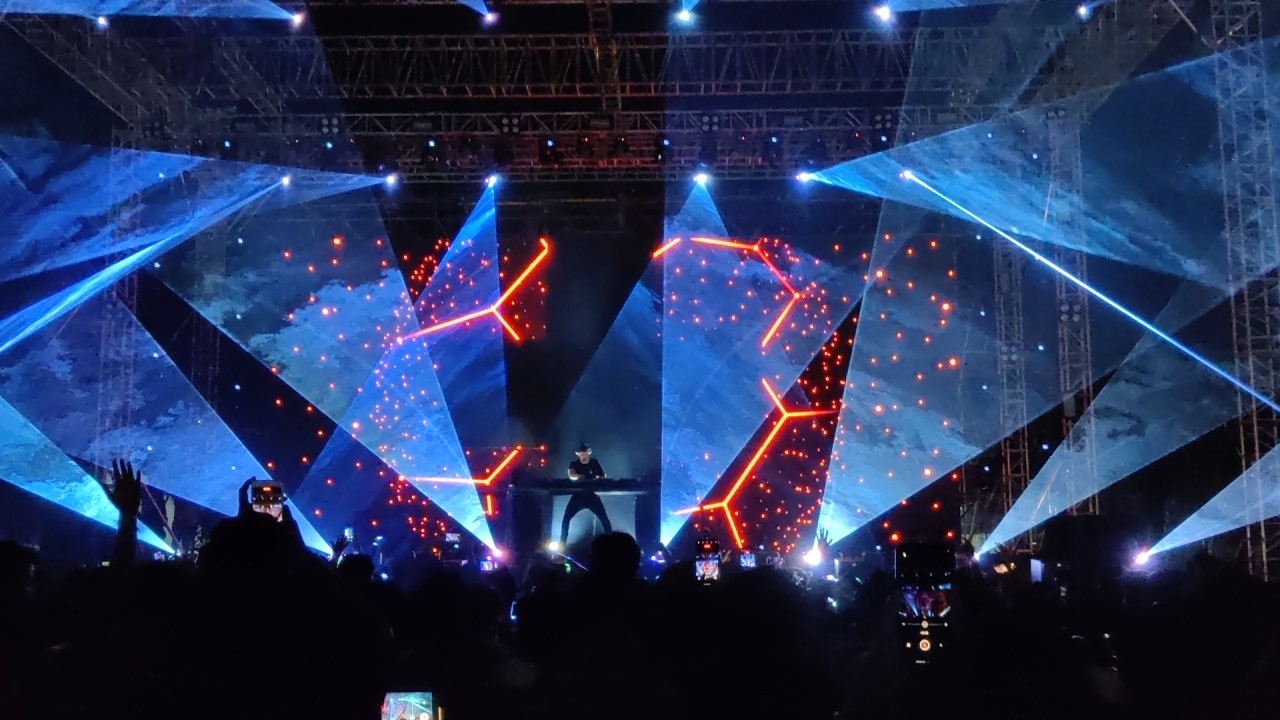
Live performances have always been about human connection, energy, and shared moments. Today, technology is amplifying those elements rather than replacing them. From concerts and theater to festivals and immersive art shows, modern tools are transforming how performances are created, experienced, and remembered.
The Evolution of Stage Design and Visuals
Technology has pushed stage design far beyond static backdrops. Dynamic visuals now play a central role in storytelling and atmosphere.
Modern stage enhancements include:
- High-resolution LED walls with real-time visuals
- Projection mapping that adapts to movement and music
- Interactive lighting systems synchronized with performances
These innovations allow stages to evolve during a show, keeping audiences visually engaged from start to finish.
Advanced Sound Engineering for Immersive Audio
Audio technology has significantly improved how sound travels in live venues, ensuring clarity regardless of audience size or location.
Key advancements in live sound include:
- Directional speaker arrays for even sound distribution
- Real-time audio mixing adjusted to venue acoustics
- Wireless instruments and microphones with minimal latency
The result is a richer, more immersive listening experience that feels personal even in large venues.
Augmented and Virtual Reality Experiences
Augmented reality (AR) and virtual reality (VR) are redefining audience interaction, especially in large-scale events and hybrid performances.
How AR and VR are used in live performances:
- Visual overlays viewable through mobile devices
- Virtual stages that extend beyond physical space
- Remote attendance options for global audiences
These technologies blur the line between physical and digital spaces, expanding what “live” truly means.
Smart Lighting and Automation
Lighting is no longer just about visibility—it’s an active performer in its own right. Intelligent lighting systems react in real time to sound, motion, and cues.
Benefits of smart lighting technology:
- Automated transitions that enhance emotional impact
- Energy-efficient LED systems
- Precise synchronization with music and choreography
Automation reduces technical errors while giving designers more creative freedom.
Wearable Technology for Performers
Performers themselves are now part of the technological ecosystem. Wearable devices help enhance performance quality and safety.
Wearables are used to:
- Monitor physical strain and movement
- Trigger visual or audio effects through motion
- Improve coordination in complex performances
This integration allows performers to interact with technology organically on stage.
Enhanced Audience Engagement Tools
Technology has changed how audiences participate during live events, making experiences more interactive and personalized.
Popular engagement tools include:
- Mobile apps for live polling and interaction
- Smart wristbands that sync with lighting and music
- Real-time social media integration
These tools turn passive viewers into active participants, deepening emotional connection.
Data-Driven Performance Optimization
Behind the scenes, data analytics are helping producers and performers refine their shows.
Data insights help with:
- Understanding audience behavior and preferences
- Optimizing setlists and pacing
- Improving venue layout and crowd flow
Technology ensures that live performances continue to evolve based on real audience feedback.
Frequently Asked Questions
1. Does technology reduce the authenticity of live performances?
When used thoughtfully, technology enhances emotion and storytelling without replacing human talent.
2. Are high-tech live performances more expensive to produce?
Initial costs can be higher, but automation and efficiency often reduce long-term expenses.
3. Can smaller venues benefit from performance technology?
Yes, scalable tools like smart lighting and compact sound systems are accessible to smaller productions.
4. How does technology improve accessibility at live events?
Features like live captions, assistive audio, and virtual attendance expand access for diverse audiences.
5. Will virtual concerts replace in-person performances?
Virtual shows complement live events but do not replace the energy of physical attendance.
6. How do performers adapt to tech-heavy stages?
Most performers train with the technology, integrating it into rehearsals for seamless execution.
7. What role will AI play in future live performances?
AI is expected to assist with real-time visuals, sound optimization, and personalized audience experiences.
Technology is not changing the soul of live performances—it is expanding their possibilities. By enhancing creativity, accessibility, and engagement, modern tools are helping performers and audiences connect in deeper, more memorable ways.