

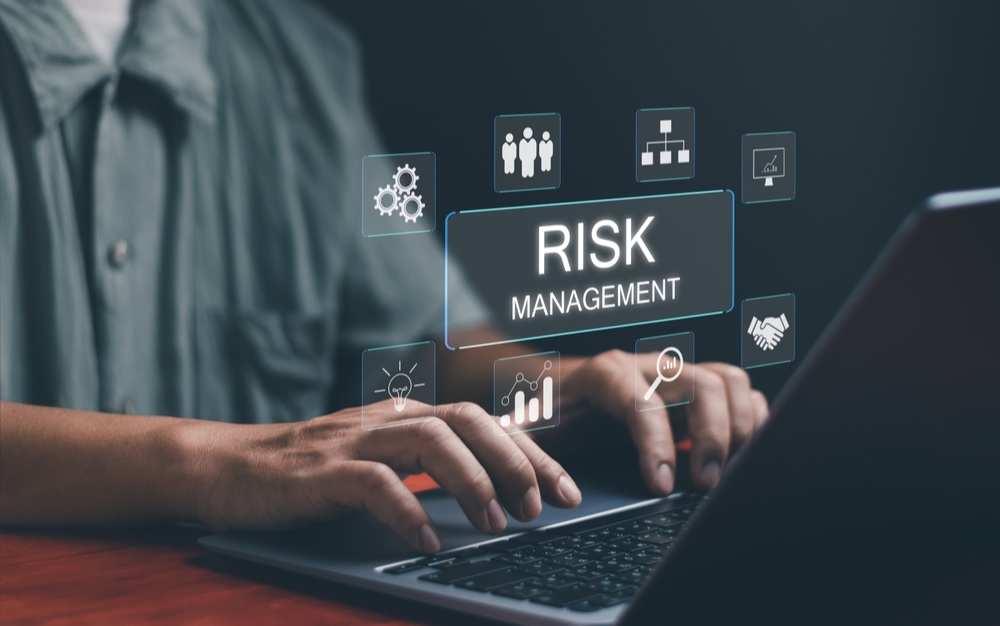
In the world of business investment, risk management is not a choice; it is a necessity. Every investment, no matter how promising, carries uncertainty. The ability to identify, evaluate, and mitigate these risks determines whether a company thrives or fails in a competitive market. Understanding risk management in business investment is vital for ensuring long-term stability, safeguarding assets, and optimizing returns. In an increasingly volatile global economy, strategic risk management helps investors and organizations make informed decisions that balance potential rewards with acceptable levels of risk.
What is Risk Management in Business Investment?
Risk management in business investment refers to the systematic process of identifying potential threats that could negatively impact investment outcomes, analyzing their likelihood, and implementing strategies to minimize their effects. It encompasses financial, operational, strategic, and environmental risks that may affect a company’s profitability or market position.
This process involves more than simply avoiding danger; it is about making calculated decisions that consider both risks and rewards. Successful investors understand that risk cannot be entirely eliminated, but it can be managed through foresight, planning, and diversification.
The core objective of risk management is to ensure that investors achieve consistent returns while protecting capital from unexpected losses. It is a dynamic, continuous process that evolves alongside market trends, regulatory changes, and business objectives.
Importance of Risk Management in Business Investments
Risk management plays a central role in shaping investment success. A company that manages risk effectively can operate confidently, even in uncertain environments. Conversely, inadequate risk management exposes investors to significant financial losses, reputational damage, and potential business collapse.
Key reasons why risk management is crucial include:
- Protects Capital and Assets: Effective risk management safeguards investments from avoidable losses and market downturns.
- Improves Decision-Making: By understanding risk exposure, investors make more informed, data-backed decisions.
- Enhances Financial Stability: Well-managed risk ensures steady cash flow and prevents liquidity crises.
- Builds Investor Confidence: Transparent risk management attracts stakeholders and enhances credibility.
- Enables Sustainable Growth: Companies that manage risk strategically can pursue innovation without fear of uncontrolled losses.
A well-designed risk management framework not only reduces exposure but also helps capitalize on opportunities that may arise from market fluctuations.
Types of Risks in Business Investment
To manage risk effectively, investors must first understand the various types of risks that can impact their investments. These risks vary based on industry, market conditions, and business model, but generally fall into several categories.
1. Market Risk
Market risk arises from fluctuations in market variables such as interest rates, exchange rates, and stock prices. Economic downturns, inflation, and shifts in consumer sentiment can affect returns. For example, a rise in interest rates can decrease the value of equity investments, while currency volatility can erode profits for international operations.
Investors often look for ways to protect their portfolios when prices swing wildly. Sudden shifts in the economy or global events create uncertainty that affects every asset class. The management of Market volatility is a process that needs a clear plan and the right tools. Many firms use specific models to track these changes in real time. This helps them find new chances for growth even when the outlook seems poor. A steady approach to these fluctuations keeps long-term goals on track.
2. Financial Risk
Financial risk stems from an organization’s capital structure and funding strategy. Over-leveraging, poor cash flow management, or excessive debt can jeopardize financial health. Companies must carefully manage debt-to-equity ratios, maintain liquidity, and ensure profitability to mitigate financial risk.
3. Operational Risk
Operational risk involves potential losses from internal process failures, system breakdowns, or human errors. These risks often emerge from inadequate infrastructure, inefficient workflow, or lack of proper governance. For instance, a supply chain disruption can delay production and lead to lost revenue.
4. Strategic Risk
Strategic risk occurs when business strategies fail to deliver expected results due to poor planning or changes in external conditions. This includes entering unprofitable markets, failing to innovate, or misjudging competition. Strategic risk can be minimized through scenario analysis and ongoing market research.
5. Regulatory and Compliance Risk
Businesses must adhere to industry regulations and legal standards. Failure to comply can result in penalties, lawsuits, or loss of operational licenses. Investors should regularly assess compliance risks and update their strategies in line with evolving regulatory frameworks.
6. Environmental and Social Risk
With growing emphasis on sustainability, companies face increasing pressure to operate responsibly. Environmental risks include pollution, resource depletion, and climate change, while social risks stem from poor labor practices or community relations. Responsible investing now integrates Environmental, Social, and Governance (ESG) factors to minimize such risks.
7. Technological Risk
In an era dominated by digital transformation, technological risk is unavoidable. Cybersecurity breaches, outdated systems, and data theft can have devastating financial and reputational impacts. Investing in secure, scalable technologies and regular system audits helps reduce this risk.
The Process of Risk Management in Business Investment
Risk management follows a structured approach that ensures potential threats are identified, assessed, and controlled. Each stage builds on the previous one to create a comprehensive strategy for minimizing uncertainty.
1. Risk Identification
The first step involves recognizing potential risks that could impact investment goals. This requires analyzing both internal and external factors. Methods include conducting risk workshops, reviewing financial statements, assessing market trends, and consulting with experts.
Examples of common risk indicators include:
- Declining profit margins
- Unstable market conditions
- Increasing operational costs
- Emerging regulatory changes
- Rising debt levels
A thorough understanding of these indicators helps organizations develop proactive strategies before risks escalate.
2. Risk Assessment and Analysis
Once identified, risks must be analyzed based on their likelihood and potential impact. Quantitative and qualitative analysis tools are used to measure exposure. For example, Value at Risk (VaR) assesses the potential loss over a specific period, while scenario analysis predicts outcomes under different market conditions.
Risk assessment frameworks focus on:
- The probability of occurrence
- The magnitude of potential loss
- The timeframe of exposure
- The organization’s ability to absorb loss
This step allows businesses to prioritize risks and allocate resources effectively.
3. Risk Mitigation and Control
Mitigation involves implementing strategies to reduce or eliminate identified risks. Depending on the nature of the risk, mitigation can take several forms:
- Avoidance: Eliminating risky ventures or markets that do not align with business goals.
- Reduction: Implementing controls to lower the likelihood or impact of risk.
- Transfer: Using insurance or outsourcing to shift risk to another party.
- Acceptance: Acknowledging certain risks that are inherent and manageable.
Companies must balance these approaches to maintain operational efficiency while safeguarding investments.
4. Monitoring and Review
Risk management is not static. Continuous monitoring ensures that risk controls remain effective amid changing business environments. Regular audits, key performance indicators (KPIs), and automated risk tracking systems help maintain transparency.
Investors should review risk management performance periodically to identify new threats and adjust their strategies accordingly.
Tools and Techniques for Risk Management
Modern businesses use various analytical tools and techniques to strengthen their risk management framework. Some of the most effective include:
- SWOT Analysis: Identifies internal strengths and weaknesses alongside external opportunities and threats.
- Risk Matrices: Categorize risks based on impact and probability for easier prioritization.
- Monte Carlo Simulations: Use statistical modeling to predict outcomes under uncertain conditions.
- Sensitivity Analysis: Examines how different variables affect investment performance.
- Hedging: Involves financial instruments such as futures and options to offset market risk.
These techniques enable data-driven decision-making and reduce uncertainty in complex investment environments.
Building a Culture of Risk Awareness
Effective risk management goes beyond formal processes; it requires a strong organizational culture that prioritizes risk awareness. Every employee, from executives to entry-level staff, should understand their role in mitigating risk.
Key components of a risk-aware culture include:
- Transparent communication channels for reporting risks.
- Regular training programs on risk identification and compliance.
- Incentive structures that reward responsible decision-making.
- Integration of risk management into strategic planning and daily operations.
Organizations that promote a proactive mindset are better equipped to handle challenges and capitalize on emerging opportunities.
The Role of Technology in Risk Management
Technology plays a transformative role in modern risk management. Advanced analytics, artificial intelligence (AI), and machine learning (ML) enhance predictive capabilities, allowing organizations to identify risks early and respond effectively.
Examples of technological integration include:
- Automated risk monitoring systems that provide real-time alerts.
- Data analytics platforms that track financial and operational metrics.
- AI-driven forecasting models that predict potential disruptions.
- Blockchain solutions that improve transparency and reduce fraud.
Digital tools not only improve accuracy but also enable faster, more strategic responses to dynamic market conditions.
FAQs
What is the primary goal of risk management in business investment?
The primary goal is to minimize potential losses while maximizing investment returns by identifying, assessing, and controlling risks systematically.
How often should companies review their risk management strategies?
Risk management strategies should be reviewed regularly, ideally quarterly or whenever there are significant market or regulatory changes.
Can risk management eliminate all investment risks?
No, risk management cannot eliminate all risks, but it minimizes their impact and ensures better preparedness for unpredictable events.
What role does diversification play in managing risk?
Diversification spreads investment across multiple assets or markets, reducing exposure to the failure of any single investment and ensuring portfolio stability.
How does technology help improve risk management?
Technology provides predictive insights through data analytics, AI, and automation, enabling businesses to identify and mitigate risks more effectively.
Why is a risk-aware culture important in organizations?
A risk-aware culture ensures that employees actively participate in risk prevention, improving accountability and reducing the likelihood of oversight or negligence.
What is the difference between risk avoidance and risk mitigation?
Risk avoidance eliminates exposure by choosing not to engage in risky activities, while risk mitigation focuses on reducing the probability or impact of identified risks.
Effective risk management in business investment is not about avoiding uncertainty but about mastering it. By combining strategic foresight, data analysis, and a proactive organizational culture, companies can transform risks into opportunities and build lasting resilience in a constantly changing global marketplace.