

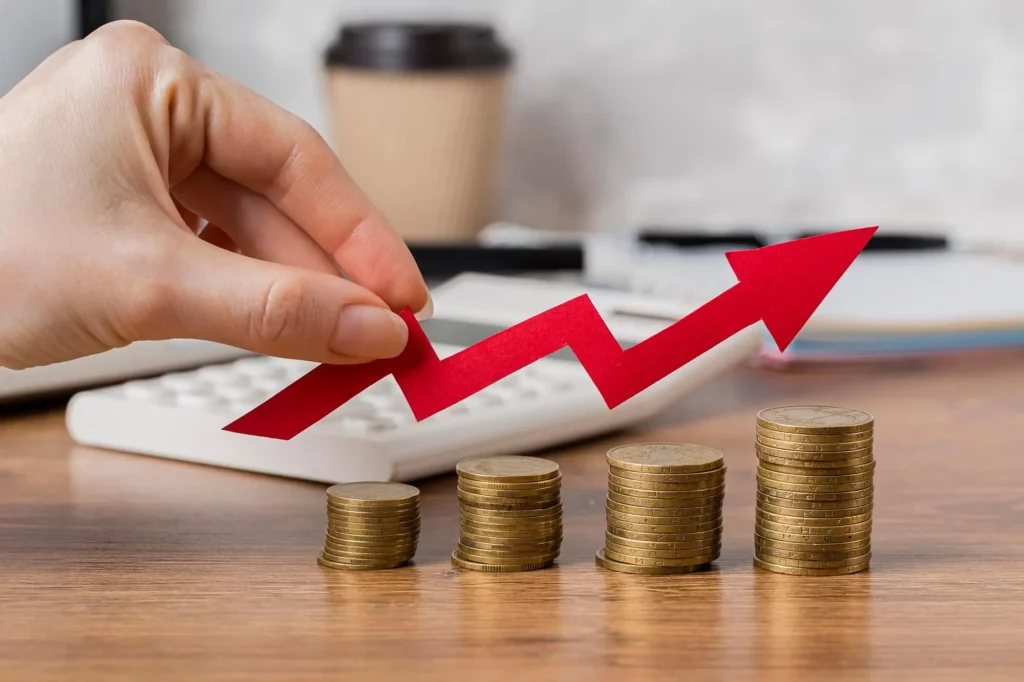
Inflation plays a central role in shaping the financial landscape, influencing everything from consumer behavior to long-term investment performance. When prices rise and purchasing power declines, investors must carefully evaluate how inflation affects risk, returns, and future financial goals. Understanding these dynamics helps build resilient portfolios capable of withstanding economic fluctuations.
What Is Inflation?
Inflation refers to the general increase in the prices of goods and services over time, resulting in a decrease in purchasing power. While mild inflation is considered normal in a growing economy, high or unpredictable inflation can disrupt financial planning and investment strategies.
Causes of Inflation
- Excessive money supply
- Rising production costs
- Increased consumer demand
- Supply chain disruptions
- Geopolitical factors affecting energy or commodities
How Inflation Influences Investment Decisions
Reduced Real Returns
Inflation erodes the value of investment profits. Even if an investment grows nominally, its real return (after adjusting for inflation) may be significantly lower.
Shift Toward Inflation-Resistant Assets
Investors often reallocate capital to assets that historically outperform or remain stable during inflationary periods.
Common examples include:
- Real estate
- Commodities like gold
- Inflation-protected bonds
- Value stocks
Impact on Fixed-Income Investments
Bonds and other fixed-income products may become less attractive as inflation reduces the real value of interest payments. High inflation often leads to rising interest rates, which can push bond prices down.
Higher Interest Rates and Market Volatility
Central banks typically raise interest rates to control inflation. Higher rates:
- Increase borrowing costs
- Reduce corporate profits
- Lower stock valuations
This environment may lead to increased market volatility and a more cautious investment approach.
Changes in Consumer and Business Spending
Inflation affects earnings reports, consumer trends, and business expansion plans. Investors must analyze sectors sensitive to inflation, such as retail, transportation, and consumer goods.
Influence on Long-Term Financial Planning
Inflation affects retirement planning, savings goals, and wealth preservation. Investors may need to adjust their expected returns and contribution levels to stay aligned with future financial needs.
Investment Strategies During Inflation
1. Diversification Across Asset Classes
A diversified portfolio can help cushion the impact of rising prices, spreading risk across assets that respond differently to inflation.
2. Investing in Real Assets
Real estate, infrastructure, and commodities often maintain or increase their value as inflation rises.
3. Using Inflation-Protected Securities
Government-issued instruments like inflation-indexed bonds adjust returns in line with inflation rates.
4. Focusing on Companies With Pricing Power
Businesses that can raise prices without losing customers may perform better in inflationary periods.
5. Maintaining Adequate Liquidity
Holding cash reserves ensures flexibility and the ability to seize opportunities during market shifts.
6. Avoiding Long-Term Fixed-Income Commitments
Shorter-duration bonds may offer better protection when interest rates rise.
Sectors Affected by Inflation
Positively Impacted Sectors
- Energy
- Utilities
- Real estate
- Commodities
Negatively Impacted Sectors
- Consumer discretionary goods
- Technology (due to higher borrowing costs)
- Transportation
The Role of Central Banks
Central banks influence inflation through monetary policy tools such as:
- Interest rate adjustments
- Asset purchase programs
- Money supply control
Their decisions directly affect currency strength, investment returns, and global market stability.
The Future of Investment Planning in an Inflationary World
As inflation becomes increasingly unpredictable due to global disruptions, supply chain shifts, and geopolitical tensions, investors must adopt flexible strategies. Emphasis on real assets, diversification, and risk management will be essential. Continuous monitoring of macroeconomic indicators will help investors make data-driven adjustments to safeguard long-term financial health.
Frequently Asked Questions (FAQ)
1. How does inflation affect stock market performance?
Inflation can reduce corporate profits, increase operational costs, and trigger interest rate hikes, all of which impact stock valuations.
2. Are bonds still a good investment during inflation?
Traditional long-term bonds may underperform, but inflation-protected and short-duration bonds can offer better resilience.
3. What is the best hedge against inflation?
Real assets such as real estate and commodities, along with TIPS and certain equities, are commonly used to hedge against inflation.
4. Can inflation ever benefit investors?
Moderate inflation can support economic growth and boost company earnings, benefiting some investments.
5. How does inflation impact retirement planning?
Investors must account for inflation to ensure that retirement savings maintain purchasing power over time.
6. Should investors hold more cash during inflation?
While some liquidity is useful, holding too much cash can be detrimental because inflation erodes its real value.
7. How often should investors adjust their portfolios during inflation?
Regular reviews—quarterly or semi-annually—help ensure portfolios remain aligned with changing economic conditions.
If you’d like, I can convert this into a PDF, create a long-form guide, or optimize the article for SEO and publishing.