

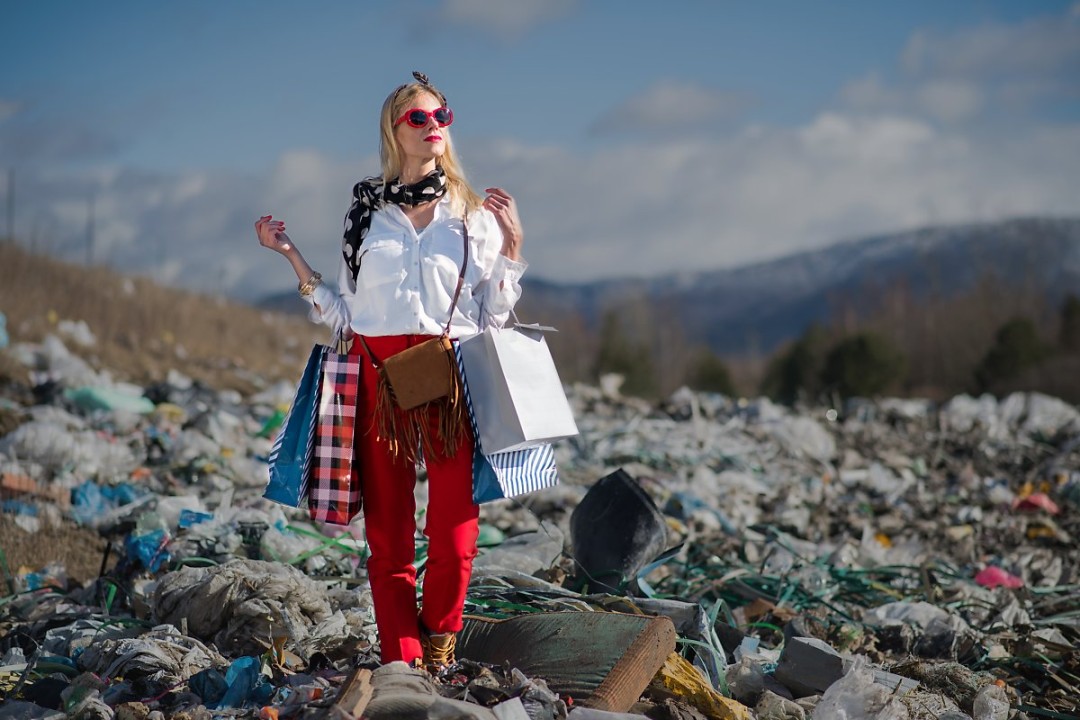
Fast fashion has transformed how people buy and wear clothes. Trend cycles that once took seasons now change weekly, encouraging consumers to purchase more at lower prices. While this model has made fashion more accessible, it has also created serious environmental consequences that are becoming harder to ignore.
What Is Fast Fashion?
Fast fashion refers to the rapid production of inexpensive clothing designed to mirror current trends. These garments are often made quickly, sold cheaply, and discarded after only a few uses.
Key characteristics of fast fashion include:
- Short production timelines
- Low-cost materials and labor
- High-volume output
- Rapid trend turnover
This speed and scale are central to its environmental impact.
Massive Textile Waste Generation
One of the most visible effects of fast fashion is the sheer volume of clothing waste. Garments are often worn only a handful of times before being thrown away.
Environmental consequences of textile waste include:
- Overflowing landfills filled with synthetic fabrics
- Clothing that can take decades to decompose
- Increased waste management and disposal emissions
Many discarded clothes are not recyclable due to blended fabrics and chemical treatments.
Water Pollution and Overuse
The fashion industry is one of the largest consumers of water globally. From growing raw materials to dyeing fabrics, water is heavily used and often contaminated.
Major water-related impacts include:
- Pollution from toxic dyes and chemicals entering rivers
- High water usage in cotton production
- Damage to aquatic ecosystems and local water supplies
In some regions, communities face water shortages partly linked to textile manufacturing.
Carbon Emissions and Climate Impact
Fast fashion relies on energy-intensive processes, global transportation, and fossil fuel-based materials.
Sources of carbon emissions include:
- Manufacturing in coal-powered factories
- Long-distance shipping and air freight
- Synthetic fabrics derived from petroleum
These factors contribute significantly to greenhouse gas emissions and climate change.
Microplastic Pollution From Synthetic Fabrics
Many fast fashion garments are made from polyester, nylon, and acrylic. When washed, these fabrics shed microplastics that enter waterways.
Why microplastics are dangerous:
- They are too small to be filtered by wastewater systems
- They accumulate in oceans and food chains
- They pose risks to marine life and potentially human health
Once released, microplastics are nearly impossible to remove from the environment.
Chemical Use and Soil Degradation
Fast fashion production depends on chemicals to treat fabrics, fix dyes, and improve durability. These substances often end up in soil and water.
Environmental risks include:
- Soil contamination near factories
- Harm to local agriculture and wildlife
- Long-term health risks for surrounding communities
Weak regulations in some manufacturing regions worsen these impacts.
Pressure on Natural Resources
Producing clothes at such high volumes requires vast amounts of raw materials.
Resource strain caused by fast fashion:
- Intensive land use for fiber crops
- Depletion of non-renewable resources
- Increased deforestation for viscose and rayon production
This overconsumption accelerates environmental degradation worldwide.
Moving Toward More Sustainable Fashion Choices
While fast fashion’s impact is significant, consumer behavior can influence change.
More sustainable alternatives include:
- Buying fewer, higher-quality garments
- Supporting brands that prioritize ethical production
- Choosing secondhand, recycled, or upcycled clothing
- Extending the life of clothes through repair and reuse
Small shifts in purchasing habits can reduce environmental harm over time.
Frequently Asked Questions
1. Why is fast fashion considered unsustainable?
Because it relies on excessive resource use, rapid consumption, and large-scale waste generation.
2. Are natural fabrics always better for the environment?
Not always, as some natural fibers still require high water or chemical use during production.
3. How does fast fashion affect developing countries?
It often places environmental and health burdens on communities near manufacturing hubs.
4. Can fast fashion brands become eco-friendly?
Some are improving practices, but the core high-volume model remains environmentally challenging.
5. What role do consumers play in reducing fashion’s environmental impact?
Consumer demand can push brands toward more responsible production and transparency.
6. Is recycling clothing an effective solution?
Recycling helps, but limitations in textile recycling technology reduce its overall impact.
7. How can individuals reduce microplastic pollution from clothing?
Washing clothes less frequently, using cold cycles, and choosing natural or low-shed fabrics can help.
Fast fashion has reshaped the clothing industry, but its environmental costs are substantial. Understanding these impacts is the first step toward making choices that support a more sustainable future for fashion and the planet.