

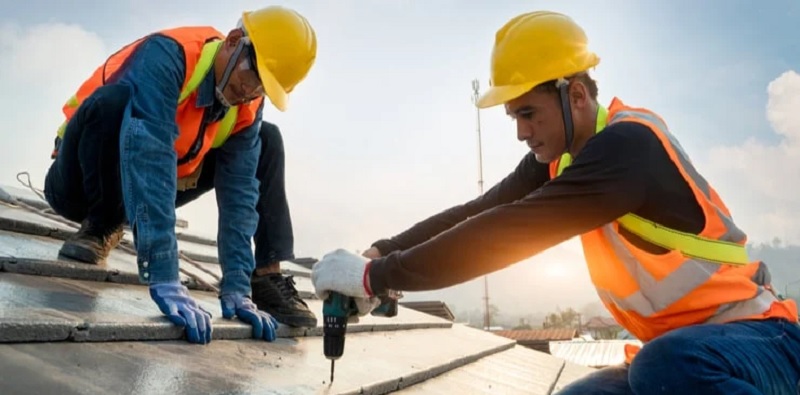
As a construction business owner, managing risk is crucial to ensuring the long-term stability and growth of your operations. Insurance plays a vital role in this risk management strategy, offering protection against potential losses or damages that could disrupt your work and harm your reputation. However, understanding the different types of insurance required and how to choose the right policies for your business can be challenging. This article aims to shed light on the essential insurance coverage options every construction business owner should consider, the reasons why they are necessary, and the factors to keep in mind when purchasing coverage.
General Liability Insurance
One of the most fundamental types of insurance for any construction company is general liability insurance. This coverage protects your business from third-party claims for bodily injury, property damage, and personal injury that could arise while working on a project. For example, if a visitor to your worksite is injured or a subcontractor damages a client’s property, general liability insurance can cover legal fees, medical expenses, and repair costs.
Having this type of insurance is especially crucial in the construction industry, where accidents and unforeseen events are more common due to the physical nature of the work and the presence of heavy equipment and materials. Without this protection, a single accident could lead to significant financial losses, potentially damaging your company’s reputation and leading to costly legal battles.
Workers’ Compensation Insurance
Another essential insurance policy for construction business owners is workers’ compensation insurance. This insurance covers medical expenses and lost wages for employees who suffer injuries or illnesses while working on a construction site. Construction work often involves physical labor and hazardous conditions, making the risk of injury higher than in many other industries. Workers’ compensation ensures that employees are taken care of in case of injury and helps your business avoid costly lawsuits or penalties.
In addition to covering medical costs and lost wages, workers’ compensation also provides protection against employer liability. This means that, in most cases, if an employee is injured, they cannot sue you for damages, as long as they are receiving the benefits outlined in the workers’ compensation policy.
Commercial Auto Insurance
Construction companies often rely on vehicles to transport equipment, materials, and employees between job sites. Commercial auto insurance is necessary for protecting these vehicles and the people using them. This policy covers damages caused by accidents, theft, and vandalism. If one of your business vehicles is involved in a collision, commercial auto insurance can help pay for the repairs to your vehicle, any medical expenses resulting from the accident, and third-party damages to other vehicles or property.
It’s important to note that personal auto insurance typically does not cover accidents that occur while using a vehicle for business purposes. Without commercial auto insurance, your business could face substantial out-of-pocket costs for vehicle repairs, medical expenses, and potential lawsuits following an accident.
Builder’s Risk Insurance
Builder’s risk insurance, also known as course of construction insurance, is designed to protect a construction project while it is being built or renovated. This policy covers damages to the structure or materials during construction caused by fire, vandalism, theft, or weather events such as storms. It can also cover the cost of repairs if there is damage to the building before it is completed and handed over to the client.
This type of insurance is typically required by contractors and lenders when financing construction projects. Even if it’s not legally mandated, builder’s risk insurance is a wise investment to protect the value of the project and minimize financial risks. It’s important to note that builder’s risk insurance does not cover damage caused by faulty workmanship or materials, so it’s essential to ensure that your construction team is qualified and adheres to industry standards.
Professional Liability Insurance
While general liability insurance covers bodily injury and property damage, professional liability insurance, also known as errors and omissions (E&O) insurance, protects you in the event of a legal claim related to professional mistakes, negligence, or failure to deliver services as promised. This coverage is particularly important for construction companies that offer consulting or design services in addition to construction work.
For example, if a design error results in structural issues, or if a contractor fails to meet specified timelines or quality standards, professional liability insurance can help cover legal costs and damages. Although professional liability insurance is not always required by law, it provides an extra layer of protection and can be crucial for maintaining your business’s reputation and avoiding lawsuits.
Umbrella Insurance
Umbrella insurance provides additional coverage beyond the limits of your other insurance policies, such as general liability or workers’ compensation. This policy kicks in when the limits of your primary insurance policies are reached, helping cover any excess costs from a major claim. For construction business owners, umbrella insurance is a valuable safeguard against catastrophic events that could otherwise wipe out your company’s financial resources.
If your business is involved in a large-scale construction project with significant risks, umbrella insurance can provide peace of mind knowing that your coverage limits are extended. It is particularly important if your construction business deals with high-value projects or has a high volume of clients.
Choosing the Right Insurance Coverage
While the types of insurance mentioned above are essential for most construction businesses, selecting the right coverage requires a careful evaluation of your company’s specific needs. Factors to consider include the size of your business, the types of projects you undertake, the location of your work, and the number of employees you have. Consulting with an experienced insurance agent who understands the construction industry can help ensure that your business is adequately covered and protected.
Standard insurance companies often turn away businesses that operate in high-risk sectors or handle complex projects. When standard markets are not an option, companies must look to specialty brokerages that have access to excess and surplus lines. Working with a specialized broker like GrayStone Insurance Group helps these hard-to-place businesses find coverage that fits their specific risk profile. They have the relationships needed to secure policies from non-traditional underwriters who understand unique operational hazards. This approach keeps your projects on track and protects your assets from major financial liabilities.
It’s also important to review your insurance policies regularly to ensure they remain up-to-date as your business grows and changes. As your company takes on larger projects or hires more employees, your insurance needs may evolve, and it’s crucial to adjust your coverage accordingly.
Conclusion
Insurance is a critical aspect of running a successful construction business. By understanding the different types of coverage available and selecting the right policies, you can protect your business from financial loss and safeguard its future. Whether it’s protecting your employees, assets, or reputation, the right insurance policies provide the security needed to operate with confidence and peace of mind.