

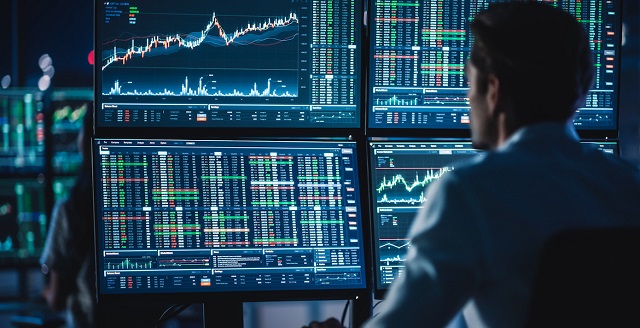
The foreign exchange (FX) market has always been a space where speed, precision, and strategy are paramount. With global markets moving 24/5, traders need every possible edge to stay ahead. Today, that edge is Artificial Intelligence (AI). FX traders are increasingly leveraging AI technologies to improve trade execution, forecast market movements, and manage risk in ways that human traders simply can’t match.
According to Mankash Jain, “AI is already changing—and will continue to transform—the FX industry in significant ways.” He points out three key areas where AI is driving this transformation: algorithmic trading and automation, predictive analytics, and risk management. This article explores how each of these areas is reshaping FX trading, offering traders more precision, insight, and control over their investments.
How AI is Reshaping Forex Trading
AI is transforming FX trading by automating processes, identifying profitable patterns, and improving decision-making. Unlike traditional trading strategies that rely on human intuition, AI-driven systems analyse vast datasets in real-time and execute trades at speeds that humans can’t achieve.
By leveraging machine learning, natural language processing, and predictive analytics, AI enables traders to process economic data, market sentiment, and even geopolitical events. The result is smarter decision-making, faster trade execution, and better risk management. The impact of AI extends across three main areas, as highlighted by Mankash Jain.
1. Algorithmic Trading and Automation
One of the most revolutionary uses of AI in FX trading is algorithmic trading, also known as algo-trading. This involves using AI-driven algorithms to automate trade execution, often within milliseconds. Unlike human traders, who may struggle with emotional decision-making, AI algorithms operate on logic, data, and pre-programmed rules.
These algorithms can scan and process vast datasets — including price charts, technical indicators, and market sentiment — and identify profitable opportunities. Once a pattern is recognised, the system executes a trade automatically, with no human intervention. This gives traders access to High-Frequency Trading (HFT) strategies, where thousands of trades can be executed in a single day.
The benefits of algorithmic trading include:
- Speed and Precision: Trades are executed in milliseconds, ensuring better entry and exit points.
- Elimination of Human Emotion: AI-based systems follow logic, not fear or greed.
- 24/7 Market Monitoring: AI operates continuously, identifying opportunities even when traders are offline.
Platforms like MetaTrader, TradingView, and cTrader support algorithmic trading, enabling traders to implement custom AI-driven bots to improve execution. Traders no longer have to “watch the charts” all day; the AI does it for them.
Mankash Jain points out that “High-frequency trading (HFT) and other AI-based trading strategies have already reshaped how FX markets function, allowing for more precise, faster, and less emotional trading.” As AI tools become more accessible, smaller traders can now compete with hedge funds and institutional investors in terms of execution speed and precision.
2. Predictive Analytics for Smarter Market Forecasting
One of AI’s most impressive capabilities in FX trading is predictive analytics. Using machine learning models, AI can analyse vast amounts of historical data and current market conditions to predict future currency price movements. This gives traders the ability to act on potential trends before they materialise.
AI predictive models are trained to recognise market patterns, identify anomalies, and understand the impact of global events. For instance, when central banks issue monetary policy updates or when geopolitical events make headlines, AI systems can instantly assess how these factors might impact currency prices. Traders are then alerted to potential price shifts, allowing them to capitalise on opportunities or mitigate risks.
Here’s how predictive analytics is making an impact:
- Trend Forecasting: AI models predict upward or downward trends in currency pairs, helping traders spot potential buy or sell opportunities.
- Sentiment Analysis: By analysing financial news, press releases, and social media posts, AI can detect the mood of the market and forecast potential market reactions.
- Event-Driven Trading: AI tracks economic events, such as inflation reports and interest rate decisions, to predict how they will impact the value of currencies.
Machine learning models get smarter over time, meaning their predictive power improves as more data is collected. This is especially important for FX traders, where changes in sentiment or geopolitical factors can trigger sudden market movements. AI models can quickly adapt and adjust predictions as new data comes in.
Mankash Jain emphasises that “machine learning models can process historical data and real-time market conditions to forecast currency price movements.” This ability to look ahead gives traders a crucial advantage, especially in volatile markets. By acting on AI-generated forecasts, traders can reduce risk and improve profitability.
3. Risk Management and Portfolio Protection
No matter how good a trading strategy is, every trader faces risk. Currencies can shift in unpredictable ways due to political instability, economic downturns, or unexpected global events. AI, however, is redefining how traders manage this risk.
AI models can analyse a trader’s portfolio in real time and identify where exposure is too high. By tracking live market conditions, AI systems can automatically adjust stop-loss orders, reduce leverage, or recommend diversification strategies. This proactive approach means traders can react instantly to sudden changes in the market.
Here’s how AI improves risk management:
- Portfolio Monitoring: AI tracks all trades in real time, alerting traders to overexposure in specific currencies or markets.
- Stop-Loss Optimisation: AI adjusts stop-loss orders dynamically as market conditions shift, ensuring traders aren’t stopped out too early.
- Leverage Adjustment: AI can recommend when to reduce leverage to avoid excessive risk, especially during periods of market volatility.
Traders who rely solely on human judgement may miss crucial moments where risk needs to be adjusted. But with AI monitoring every trade and every shift in the market, these opportunities for protection aren’t missed.
As Mankash Jain explains, “AI models can analyse portfolio exposures and suggest adjustments in real-time based on changing market conditions, thus mitigating the impact of sudden price fluctuations.” The ability to manage risk dynamically — not after the fact — allows traders to reduce potential losses while increasing long-term profitability.
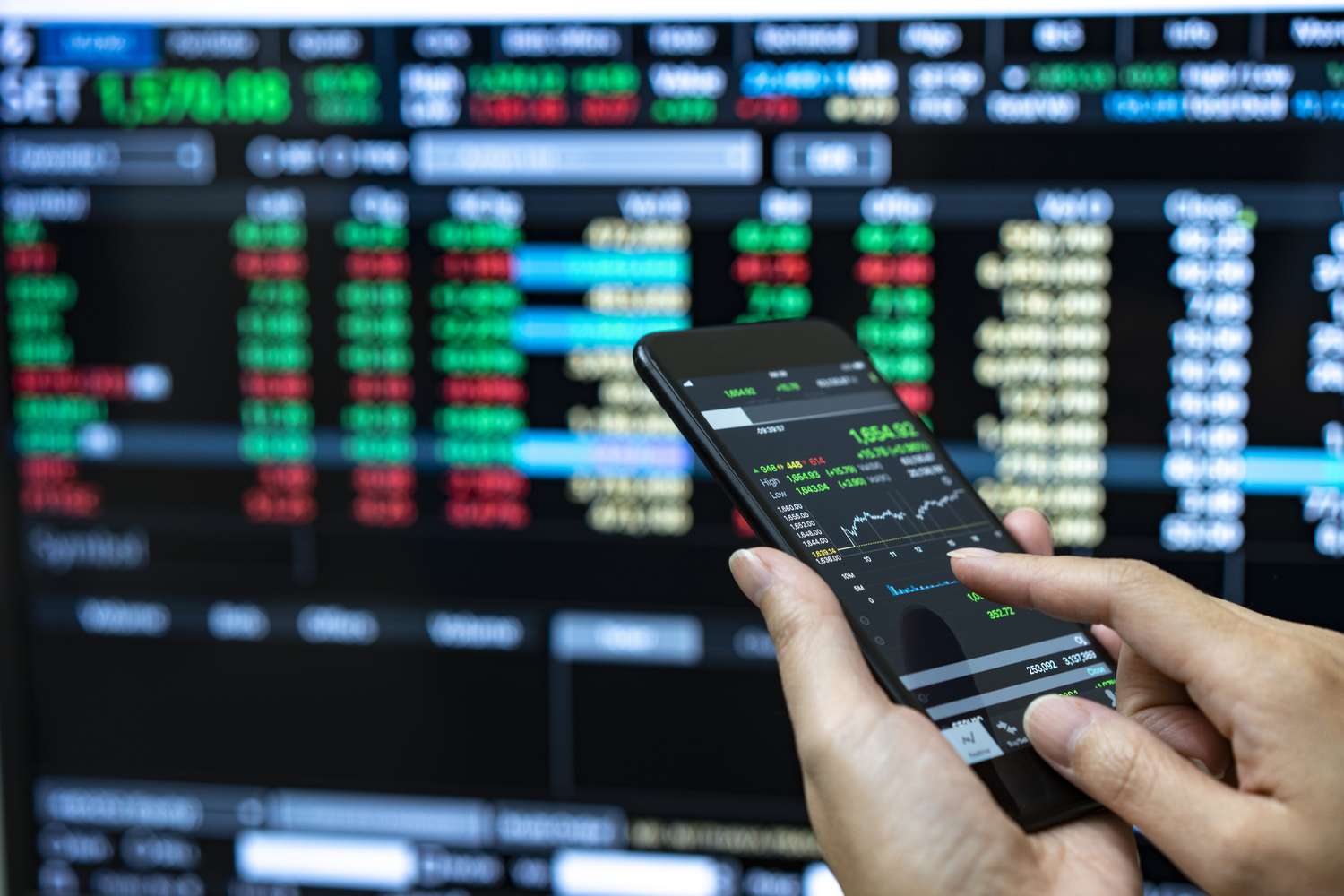
What the Future Holds for AI in FX Trading
AI’s role in FX trading is still evolving. As machine learning models become more advanced, they are expected to offer even greater predictive power, faster trade execution, and smarter risk management tools. Here are a few areas to watch in the future of AI for FX trading:
- Hybrid Human-AI Teams: Traders may work alongside AI as “co-pilots” rather than relying solely on machines.
- Ethical AI in Trading: Regulators may require transparency on how AI algorithms make trading decisions, promoting ethical AI use.
- Smarter Personalised AI Advisors: AI trading bots will likely become more personalised, adapting to the user’s individual risk appetite and strategy preferences.
The future is bright for AI in FX trading. As AI-driven systems become more accessible, even retail traders will have access to the same tools that institutional investors use today.
How Traders Can Leverage AI Today
If you’re an FX trader, there are several ways to integrate AI into your trading strategy. Platforms like MetaTrader, cTrader, and TradingView offer plug-and-play AI trading bots that you can activate instantly. Other platforms provide machine learning models that can identify patterns and forecast future price movements.
If you’re new to AI-driven trading, it’s wise to start small. Use demo accounts to test AI models without risking your capital. Explore predictive analytics tools and experiment with algorithmic trading bots. You can find more insights from industry professionals here.
For experienced traders, the focus should be on leveraging AI to refine existing strategies. Use machine learning models to forecast trends, manage risk, and optimise trade execution. By doing so, you’ll gain an edge over manual traders and increase your potential for long-term success.
No Longer a Future Technology
By using AI, traders gain access to faster execution, smarter forecasts, and better risk management. Whether you’re a novice or an experienced trader, there’s no denying the power of AI to level the playing field. The tools that were once available only to hedge funds and financial institutions are now accessible to retail traders.
For those ready to embrace AI in their trading strategy, the future is filled with potential. Traders who adopt AI-driven tools will have a clear edge in this competitive market. The question is no longer if you should use AI — it’s how soon you’ll start.