

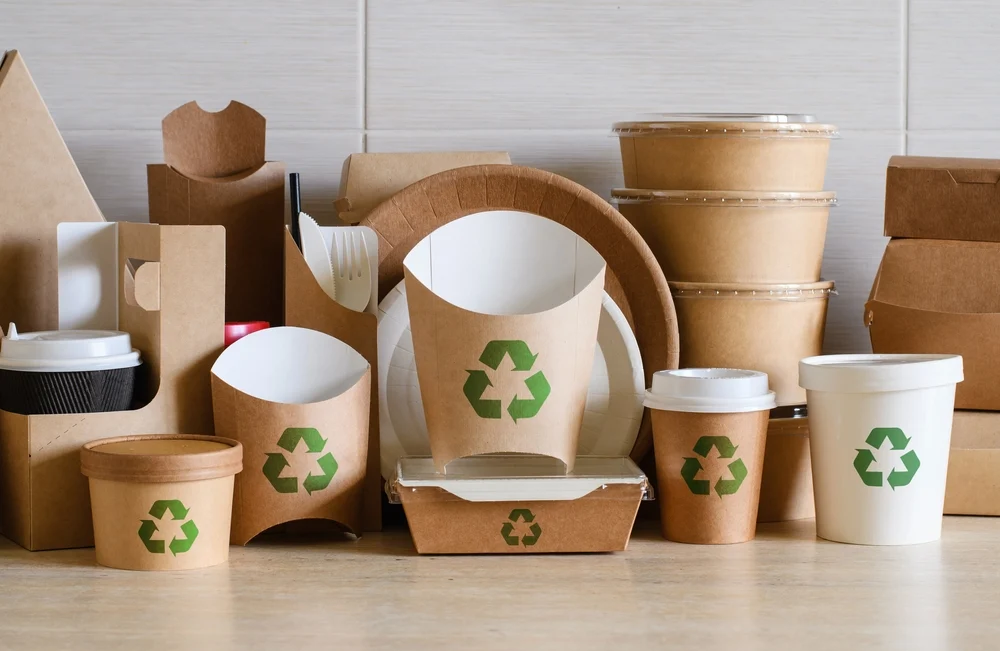
The shift towards sustainability has never been more critical, and the packaging industry is at the forefront of this transformation. Innovations in polymer technologies are paving the way for eco-friendly solutions that promise to reduce environmental impact without sacrificing functionality. One such advancement is the development of a more sustainable polymer for plastic caps, which represents just the beginning of the industry’s journey towards greener alternatives.
Breaking New Ground with Bio-based Polymers
The Rise of Plant-based Materials
In the quest for sustainability, bio-based polymers have emerged as a game-changer. Derived from renewable resources like corn, sugarcane, and potato starch, these materials are not only reducing dependency on fossil fuels but also offering a lower carbon footprint. The production of bio-based polymers for packaging, including bottles and caps, is revolutionizing the way we think about materials, combining environmental benefits with robust performance.
Enhancing Biodegradability and Composting
A significant advantage of bio-based polymers is their potential for biodegradability and compostability. Unlike traditional plastics, certain bio-polymers can break down under the right conditions, turning into compost that enriches soil instead of lingering in landfills. This feature is particularly appealing for single-use packaging, offering a path towards a circular economy where waste is minimized, and resources are reused.
Smart Designs and Minimalist Approaches
Reducing Material Use
Innovative design plays a crucial role in sustainable packaging. By rethinking the shape and structure of packaging, companies can significantly reduce the amount of material used without compromising product integrity. Lightweighting strategies are not only eco-friendly but also cost-effective, as they utilize less raw material and decrease transportation emissions.
Multi-Functionality and Reusability
Packaging that serves multiple purposes or can be reused in different ways extends the lifecycle of materials, diverting them from waste streams. Developments in polymer technologies are enabling the creation of packaging that’s not just recyclable but also durable enough for reuse, encouraging consumers to rethink disposability.
Cutting-edge Technologies in Recycling
Chemical Recycling: A New Horizon
Chemical recycling represents a breakthrough in dealing with plastic waste, offering a way to break down polymers into their monomers. These can then be repurposed to produce new polymers, essentially closing the loop. This technology holds the promise of recycling materials that were previously considered non-recyclable, marking a significant step forward in sustainable packaging.
Enhancing Mechanical Recycling
Mechanical recycling, the process of shredding and remelting plastics, is seeing improvements through better sorting technologies and contamination removal processes. Innovations in this area are increasing the quality and efficiency of recycled materials, making them more competitive with virgin polymers and further encouraging their use in packaging.
Educating Consumers and Encouraging Participation
The Role of Awareness
Consumer awareness and participation are vital in achieving sustainability goals. As the market introduces more eco-friendly packaging options, educating consumers about their benefits and proper disposal is essential. Efforts to label packaging with clear recycling instructions and promote the environmental advantages of new polymers can drive consumer choices towards more sustainable options.
Embracing the transition to sustainable packaging requires a multifaceted approach, combining innovation in polymer technologies with smart design, advanced recycling methods, and consumer education. The progress in developing eco-friendly polymers for applications like plastic caps is just the start. As the industry continues to evolve, the focus remains on reducing environmental impact while meeting the practical needs of packaging. The journey towards sustainability is complex, but with continued innovation and collaboration, the future of packaging looks promisingly green.