

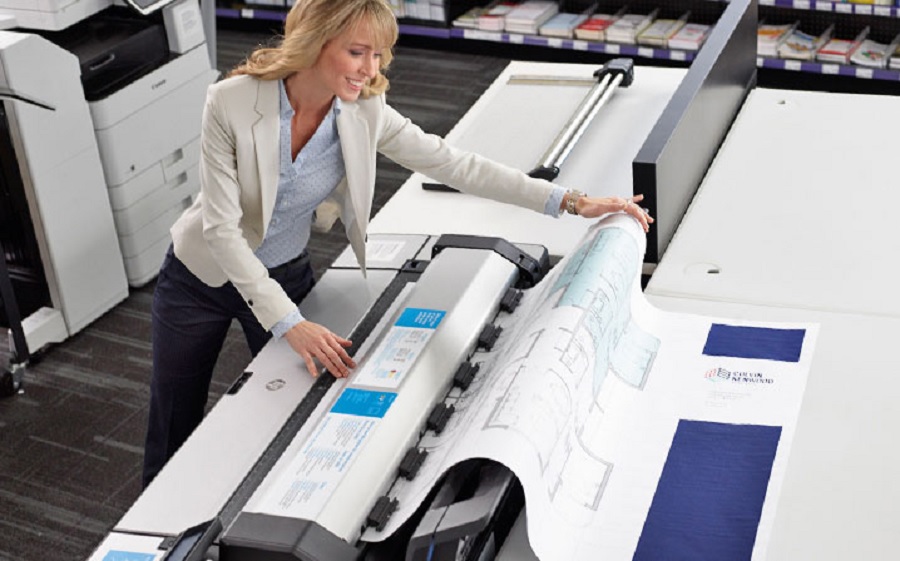
As technology continues to evolve, so too does the world of printing. What was once a simple process of transferring ink to paper has transformed into a highly dynamic industry, influenced by new innovations, sustainability efforts, and shifting consumer needs. The printing services landscape is undergoing significant changes, and understanding these trends will help businesses stay ahead of the curve. Below, we explore the key trends shaping the future of printing services.
1. Sustainability and Eco-Friendly Practices
Sustainability is a growing concern across all industries, and the printing sector is no exception. Consumers and businesses alike are becoming increasingly conscious of their environmental impact, prompting printing companies to adopt greener practices. In the coming years, sustainability will not only be a key differentiator but also a necessity for printing services.
The use of recycled paper, biodegradable inks, and energy-efficient printing processes is becoming more widespread. Additionally, printers are investing in technologies that reduce waste and optimize resource usage. For example, digital printing allows for shorter runs and less paper waste compared to traditional offset printing. This trend toward sustainability is not just about using eco-friendly materials but also about implementing efficient processes that reduce the carbon footprint of each print job.
Businesses seeking to enhance their environmental credentials will find that working with a printer that prioritizes sustainability can enhance their brand image and appeal to eco-conscious consumers.
2. Digital Printing Advancements
Digital printing has already had a profound impact on the printing industry, and its influence will only grow stronger in the years to come. One of the biggest advantages of digital printing is its ability to handle small print runs more cost-effectively than traditional offset printing. As businesses look for more efficient ways to produce materials, digital printing offers flexibility and speed without the need for expensive setup processes.
Further advancements in digital printing technology will improve the quality, speed, and cost-effectiveness of print jobs. High-definition digital printers are making it possible to produce sharp, vibrant images with incredible detail, even on a small scale. This increased quality will be particularly important for businesses in industries like fashion, advertising, and publishing, where high-quality visuals are essential.
Moreover, digital printing offers the potential for personalization. Businesses can now print customized marketing materials, such as direct mail, brochures, and catalogs, with individualized messaging tailored to specific customer segments. This ability to create highly targeted materials will allow companies to engage more effectively with their audiences and drive higher conversion rates.
3. 3D Printing and Prototyping
While 3D printing has already made waves in industries such as healthcare and manufacturing, it is now beginning to take hold in the world of product design and prototyping. Businesses involved in product development are increasingly turning to 3D printing to create prototypes more quickly and at a lower cost than traditional manufacturing methods.
In the future, we can expect 3D printing to become an integral part of product development and marketing. It offers companies the ability to experiment with designs, make changes on the fly, and produce small batches of custom items without the need for expensive molds or tooling. For industries like fashion, automotive, and architecture, 3D printing could be the key to creating highly customized products that meet specific client needs.
As the technology advances, 3D printers are becoming more accessible and affordable, allowing smaller businesses to incorporate this innovative process into their operations.
4. Augmented Reality (AR) and Interactive Print
As digital technologies continue to intersect with print, the concept of interactive print is gaining traction. Augmented Reality (AR) in printing is one of the most exciting trends to watch. By incorporating AR features into printed materials, businesses can offer an engaging experience that combines the tactile nature of print with the interactive possibilities of digital content.
For example, a brochure or poster could feature an AR code that, when scanned with a smartphone or tablet, unlocks additional content such as videos, product demonstrations, or virtual tours. This ability to blend physical and digital experiences creates new opportunities for marketing and customer engagement.
AR technology is becoming more affordable and accessible, which means that even small businesses can incorporate interactive print into their marketing strategies. The ability to offer a truly immersive experience will give businesses a competitive edge and help them stand out in a crowded marketplace.
5. Personalization and Variable Data Printing
Personalization is becoming increasingly important in all aspects of marketing, and printing is no exception. Variable Data Printing (VDP) allows businesses to customize each printed piece with unique information, such as names, addresses, or even tailored offers. This technology enables companies to create highly personalized marketing materials that resonate more deeply with their audience.
As consumers demand more personalized experiences, VDP will become a critical tool for businesses looking to enhance their customer engagement. By tailoring direct mail, catalogs, and promotional materials to the individual recipient, businesses can boost response rates and improve customer loyalty.
Furthermore, the ability to personalize prints on-demand will become even more refined with advances in data analytics and artificial intelligence. This will allow companies to gather deeper insights into customer behavior and preferences, resulting in even more effective personalized campaigns.
6. Automation and Workflow Integration
In the fast-paced world of business, time is of the essence. Printing services are increasingly leveraging automation to streamline workflows and improve efficiency. Automation tools can help businesses manage print projects from start to finish, reducing manual intervention and minimizing errors.
One area where automation is particularly valuable is in the ordering process. Automated systems allow customers to place orders, submit designs, and approve proofs online, reducing turnaround times and improving the overall customer experience. Moreover, automated print shops can optimize job scheduling, monitor inventory levels, and track production progress, ensuring faster, more accurate deliveries.
As businesses continue to demand faster results and lower costs, automated workflows will become more widespread in the printing industry, improving operational efficiency and reducing the need for human intervention in repetitive tasks.
7. Integration of Smart Devices and Cloud Printing
The advent of smart devices and cloud technologies is transforming how businesses approach printing. Cloud printing solutions enable businesses to print documents from any device, anywhere, and at any time. This is especially beneficial for remote teams, distributed workforces, and businesses with multiple locations.
Cloud-based print management platforms also provide businesses with greater control over their printing processes. They can track usage, manage print quotas, and ensure that printing resources are being used efficiently. Additionally, cloud printing reduces the need for local print servers and offers better scalability, allowing businesses to adjust their printing needs as they grow.
In the future, smart printers will become even more integrated with business networks, offering real-time data and analytics to optimize printing operations. These advancements will make print management more streamlined and convenient than ever before.
8. The Continued Growth of Packaging Solutions
Packaging is an area where printing technology continues to grow, particularly in the areas of design and customization. Packaging is no longer just about protecting products; it has become an essential part of branding and marketing.
With the rise of e-commerce, businesses are increasingly focused on creating unique packaging that stands out to consumers. Custom printed packaging allows companies to differentiate themselves in a competitive marketplace and reinforce their brand’s identity. Advances in printing technologies, such as digital and 3D printing, will continue to expand the possibilities for innovative and personalized packaging solutions.
Looking Ahead
The printing services industry is evolving at a rapid pace, driven by new technologies and changing customer expectations. From eco-friendly practices to the integration of smart devices, these trends will continue to shape the future of printing. As businesses adapt to these changes, they will have the opportunity to create more engaging, sustainable, and cost-effective print materials, positioning themselves for success in a dynamic marketplace. By staying abreast of these trends and embracing innovation, businesses can leverage the power of printing services to enhance their brand and improve customer engagement.