

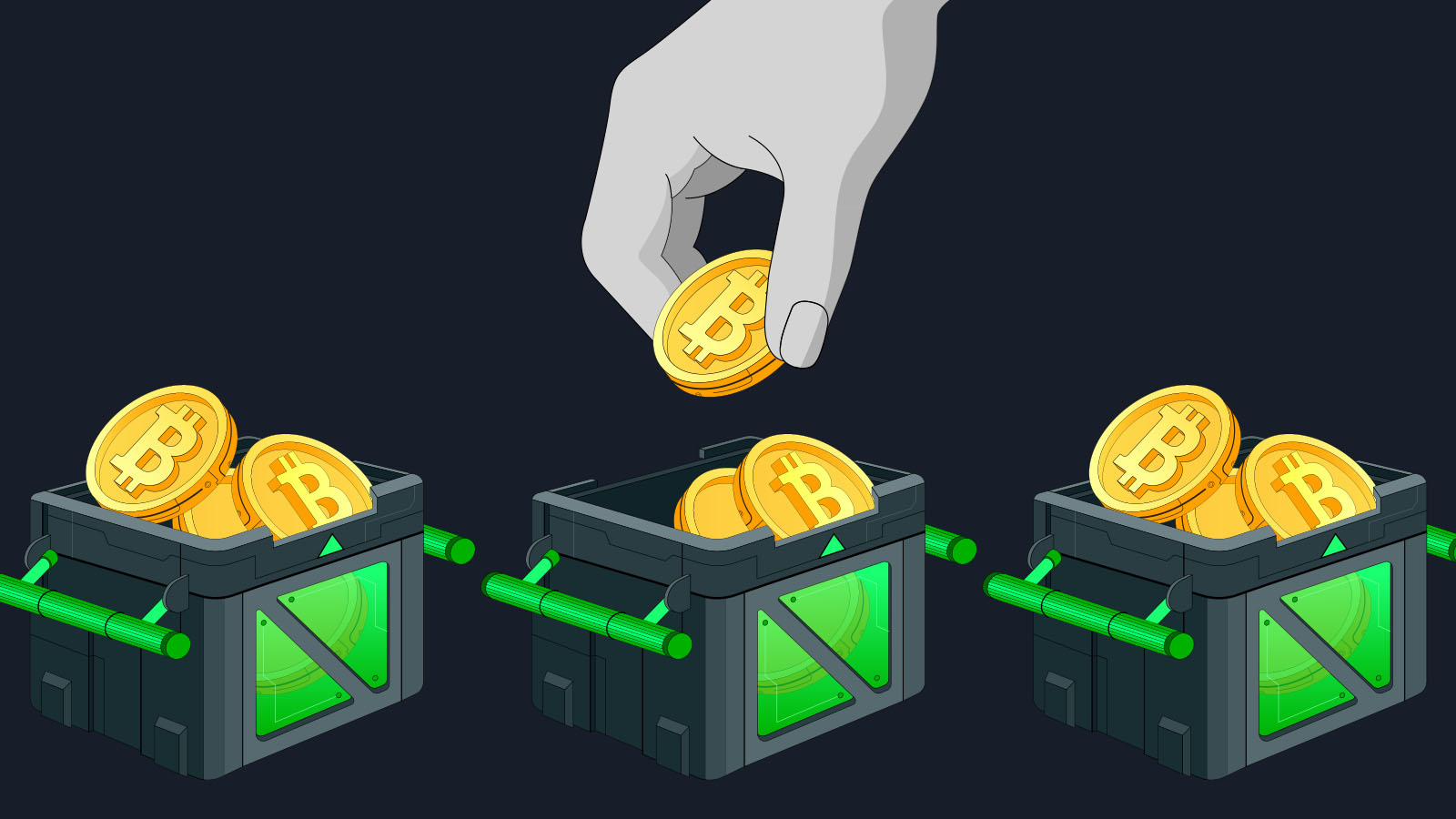
In recent years, cryptocurrency has become an increasingly popular investment option. With its promise of high returns and decentralized nature, many investors have been drawn to digital currencies such as Bitcoin, Ethereum, and an ever-growing list of altcoins. However, as with any investment strategy, managing risk and optimizing returns requires a well-thought-out approach. One crucial decision facing crypto investors is whether to diversify their portfolios or focus on a select few assets. This article examines the importance of diversification in the world of cryptocurrency and explores the potential benefits and drawbacks of this strategy.
1. Understanding the Need for Diversification
Diversification is a strategy commonly employed in traditional investing to reduce risk. By spreading investments across different assets, sectors, or geographic regions, investors minimize the impact of any single underperforming investment on their overall portfolio. The principle behind diversification is straightforward: different assets react to market events in various ways, and by not putting all your eggs in one basket, you increase the likelihood that some of your investments will perform well even when others do not.
In the context of cryptocurrency, diversification plays a similar role. The cryptocurrency market is known for its high volatility, with prices subject to rapid and unpredictable swings. While Bitcoin has become the flagship digital currency, there are thousands of altcoins with varying levels of market capitalization, technology, and use cases. Each of these coins can behave differently depending on market conditions, news events, and investor sentiment. As a result, diversifying your crypto portfolio can help spread out the risk and increase the potential for overall growth.
2. Advantages of Diversifying Your Crypto Portfolio
There are several key benefits to diversifying your cryptocurrency investments. Let’s explore some of the most compelling reasons why diversification might be the right strategy for you:
a) Risk Mitigation
As mentioned earlier, the volatility of the cryptocurrency market can be both an opportunity and a risk. Price fluctuations in digital currencies can be extreme, sometimes changing by double-digit percentages in a single day. By diversifying, you protect yourself from the risk of losing all your investment due to the sudden drop in the value of one coin. When one cryptocurrency performs poorly, other well-chosen assets in your portfolio might offset those losses, maintaining your portfolio’s value.
b) Access to Emerging Technologies
While Bitcoin and Ethereum remain dominant in the crypto space, there are numerous altcoins that focus on unique, innovative technologies. These include coins designed for decentralized finance (DeFi), non-fungible tokens (NFTs), privacy-focused blockchains, and more. By diversifying, you gain exposure to these emerging technologies and the potential for significant gains if one of these projects becomes more widely adopted.
For instance, projects like Solana, Polkadot, and Chainlink focus on scalability, interoperability, and smart contracts, addressing some of the limitations present in earlier blockchain technologies. These coins might not yet have the same market dominance as Bitcoin or Ethereum, but they could present strong growth opportunities for investors who are willing to take a measured risk.
c) Improved Long-Term Growth Potential
Diversification can enhance the growth potential of your portfolio over time. While Bitcoin and Ethereum are solid investments, they have already experienced significant growth. As the crypto market matures, these dominant assets may face slower growth rates, especially compared to smaller, up-and-coming coins that could potentially generate larger returns. Diversifying your portfolio allows you to benefit from the growth of these lesser-known coins, while still maintaining a foundation of more established assets.
3. Drawbacks of Diversifying Your Crypto Portfolio
While diversification offers several advantages, it is not without its drawbacks. Let’s consider the potential challenges that come with spreading your investments across multiple cryptocurrencies.
a) Reduced Potential for High Returns
One of the primary risks of diversification is the potential for reducing your overall return. By spreading your investments across multiple assets, you may limit the impact that a major winner can have on your portfolio. If you focus solely on Bitcoin or Ethereum, for example, the larger portion of your investment will benefit from their potential for substantial growth. On the other hand, if you diversify into smaller, less-established altcoins, the gains from any one coin may not be as pronounced as if you had invested all your funds in the most promising assets.
While diversification reduces risk, it can also dilute your ability to maximize returns in a highly volatile market like cryptocurrency, where certain coins can experience rapid price surges.
b) Increased Complexity in Portfolio Management
A diversified portfolio requires more attention and research. With hundreds of cryptocurrencies available, each with its own technology, use case, and community, it can be challenging to stay up-to-date on the latest developments and project roadmaps. Proper diversification means constantly monitoring the assets in your portfolio, keeping track of news events that may impact the market, and adjusting your strategy as new projects and opportunities arise.
For example, if you hold a mix of assets like Ethereum, Solana, and Polkadot, you’ll need to follow each project’s progress closely. You will also need to understand the market conditions that may benefit one asset more than the others, ensuring you’re not overexposed to any single cryptocurrency. This level of attention can be time-consuming, especially for new investors who may not yet be fully familiar with the nuances of the crypto space.
c) Potential for Increased Fees
Depending on how you manage your cryptocurrency investments, diversification can lead to higher fees. Some exchanges charge trading fees when you buy or sell assets, and holding multiple assets may require transferring them between wallets or exchanges, which can incur additional transaction costs. These fees may add up over time, reducing your overall profits.
4. How to Diversify Your Crypto Portfolio Effectively
If you decide that diversification is the right strategy for you, here are a few key considerations to keep in mind:
a) Allocate Your Funds Wisely
It’s important to allocate your funds in a way that balances both risk and potential reward. While it may be tempting to invest heavily in smaller, riskier altcoins, it’s wise to maintain a portion of your portfolio in more established assets like Bitcoin and Ethereum. A typical diversification strategy could involve allocating 50-70% of your portfolio to well-established assets, with the remaining 30-50% going toward emerging coins or projects.
b) Keep Track of Your Investments
Diversification requires constant monitoring. Regularly assess your portfolio to ensure that your allocations align with your investment goals and risk tolerance. If a particular asset has performed exceptionally well or poorly, you might need to rebalance your portfolio by buying or selling specific coins.
c) Stay Informed About the Market
To diversify effectively, you need to stay informed about the latest trends, news, and developments in the cryptocurrency market. This involves following reputable sources of information, engaging with the crypto community, and conducting thorough research before making any investment decisions.
5. Final Considerations
Diversifying your crypto portfolio can be a highly effective strategy for managing risk and enhancing growth potential. By spreading your investments across different cryptocurrencies, you gain access to a broader range of opportunities, while reducing the impact of market volatility on your overall portfolio. However, diversification requires careful planning, ongoing research, and a balanced approach to ensure that your portfolio aligns with your long-term investment goals. Ultimately, whether or not you diversify should be based on your individual risk tolerance, market knowledge, and investment strategy.