

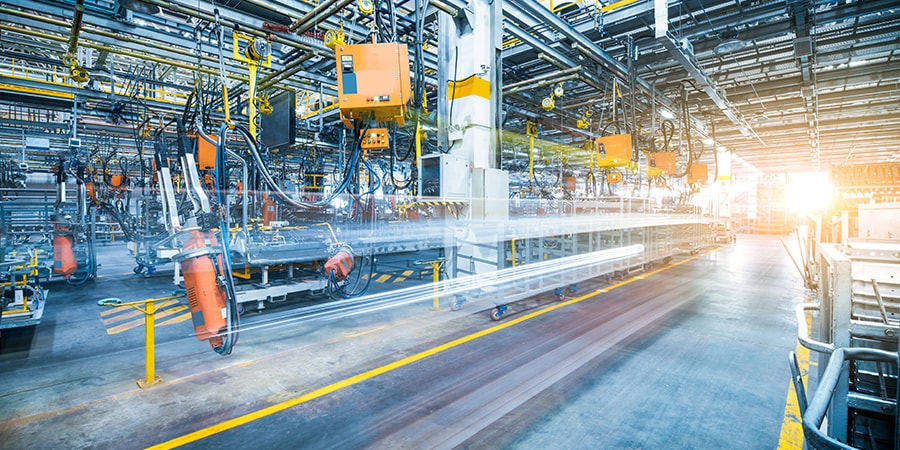
In today’s rapidly changing world, the demand for sustainability in industry manufacturing is becoming increasingly crucial. With concerns about environmental impact and resource scarcity on the rise, industries across the globe are now seeking ways to integrate sustainable practices into their manufacturing processes. But how compatible are these two concepts—industry manufacturing and sustainability? Can the drive for economic growth and technological advancement align with the urgent need for environmental responsibility? Let’s explore how modern manufacturing is evolving to meet sustainability goals and whether this match truly holds promise for a greener future.
1. Energy Efficiency and Renewable Sources
One of the primary drivers of sustainability in manufacturing is energy efficiency. Traditional manufacturing processes often require significant amounts of energy, much of which comes from non-renewable sources like coal, natural gas, and oil. However, as industries increasingly adopt energy-efficient technologies and renewable energy sources, there’s a growing opportunity to reduce carbon footprints.
Advanced manufacturing systems are incorporating renewable energy sources such as solar, wind, and geothermal power to supply their operations. In addition, energy-efficient machines and production lines are helping companies lower their energy consumption. The integration of smart grids and IoT (Internet of Things) technologies allows manufacturers to monitor and control energy use in real time, further enhancing efficiency.
By shifting toward renewable energy and optimizing energy consumption, manufacturers can reduce both costs and environmental impact, creating a pathway toward sustainable production processes.
2. Waste Reduction and Circular Economy
Another key element of sustainability in manufacturing is waste reduction. Manufacturing processes often generate significant amounts of waste, from excess materials to defective products. However, a growing focus on the circular economy is changing the way industries view waste.
The concept of the circular economy revolves around minimizing waste by reusing, recycling, and refurbishing materials, thereby reducing the need for raw material extraction. Manufacturers are increasingly designing products with the intention of reusing or recycling them at the end of their life cycle. This not only reduces waste sent to landfills but also lessens the environmental impact associated with mining and the production of new materials.
For example, some automotive manufacturers are incorporating recycled materials into car parts, while electronics companies are designing devices that are easier to disassemble for recycling. By closing the loop on material consumption and focusing on sustainability throughout a product’s lifecycle, the industry is steadily moving toward a circular economy model.
3. Green Manufacturing Technologies
The advancement of green manufacturing technologies plays a vital role in enabling sustainable production practices. These technologies not only reduce energy consumption and waste but also minimize emissions and the use of harmful chemicals.
For example, 3D printing (also known as additive manufacturing) has emerged as a highly sustainable method for creating products. Traditional manufacturing often requires cutting or shaping material from larger pieces, leading to significant material waste. In contrast, 3D printing uses only the material necessary for creating the object, significantly reducing waste.
Similarly, biodegradable materials and eco-friendly chemicals are becoming more popular in manufacturing, replacing toxic substances traditionally used in the production process. The development of clean technologies and carbon capture systems also helps reduce the harmful emissions generated by manufacturing activities.
By investing in these sustainable technologies, industries can improve their environmental impact while maintaining high levels of productivity and product quality.
4. Supply Chain Transparency and Sustainable Sourcing
Sustainability in manufacturing extends beyond the factory floor to the entire supply chain. Many companies are increasingly focusing on ensuring that the raw materials they use are ethically sourced and produced with environmental considerations in mind. This is particularly important for industries that rely on natural resources, such as mining, agriculture, and textiles.
Transparency in the supply chain is essential to ensuring that sustainability goals are met. Technologies like blockchain are now being used to trace the origin of materials, verifying that they come from sustainable and ethical sources. Manufacturers are also working closely with their suppliers to promote sustainable practices, such as reducing water usage, minimizing waste, and cutting down on carbon emissions.
Sustainable sourcing not only supports environmental goals but also addresses growing consumer demand for ethically produced goods. Today’s consumers are increasingly looking for brands that prioritize sustainability and are transparent about their sourcing practices.
5. Automation and AI for Sustainability
Automation and artificial intelligence (AI) are playing a pivotal role in transforming manufacturing processes for sustainability. Automated systems are improving operational efficiency by reducing human error, increasing precision, and optimizing the use of resources. AI-driven systems are also enabling manufacturers to predict and manage production requirements, ensuring that energy and materials are used in the most efficient ways possible.
For example, AI can optimize inventory management, ensuring that the right amount of materials is used in production and reducing excess waste. Predictive maintenance, powered by AI, helps minimize downtime and ensures that machinery operates at peak efficiency, preventing unnecessary energy consumption.
Additionally, robots and automation are increasingly being used in recycling operations, sorting materials with great precision, which improves recycling rates and reduces the environmental impact of waste.
6. Sustainable Product Design
The move toward sustainable manufacturing is often driven by changes in product design. Eco-conscious design practices are essential to creating products that have minimal environmental impact, both in terms of production and disposal.
Manufacturers are embracing eco-design principles, such as using fewer materials, designing for easier recycling, and choosing sustainable materials that have lower environmental footprints. For example, lightweight materials like aluminum and carbon fiber are being used in automotive and aerospace manufacturing to reduce fuel consumption and emissions. Additionally, the rise of modular design allows for easy upgrades and repairs, extending product life cycles and reducing waste.
The development of sustainable products ensures that manufacturers not only produce goods in an environmentally responsible way but also help consumers make eco-friendly choices in their purchases.
7. The Challenges of Sustainable Manufacturing
While the integration of sustainability into manufacturing processes is a promising development, it is not without its challenges. One significant barrier is the initial cost of implementing sustainable technologies. Many green technologies and energy-efficient machines come with a hefty price tag, which can be a significant obstacle for smaller manufacturers or those with tight budgets.
Furthermore, the transition to sustainable practices often requires a fundamental shift in corporate culture, with buy-in from leadership and all levels of staff. Manufacturers must invest in education, training, and changing their approach to production processes to ensure sustainability is truly embedded in the organization.
Despite these challenges, the long-term benefits of sustainability in manufacturing—such as reduced operational costs, improved brand reputation, and a positive environmental impact—are driving widespread adoption.
Final Words
Industry manufacturing and sustainability may have once seemed like incompatible concepts, but modern advancements in technology, design, and process optimization are proving otherwise. By adopting energy-efficient practices, reducing waste, implementing green technologies, and promoting sustainable sourcing, manufacturing industries are increasingly aligning with environmental goals. As these practices become more deeply embedded in manufacturing processes, they will contribute to a more sustainable and responsible global economy, benefitting not just industries, but society and the planet as a whole.