

What Is Actually Happening on Your Floor
Why Residue Attracts More Dirt
Why Hardwood and Tile Show Film Differently
Common Habits That Make Buildup Worse
-
Over-spraying during pass after pass: Holding down the spray trigger repeatedly floods the floor with more solution than a thin disposable pad can absorb.
-
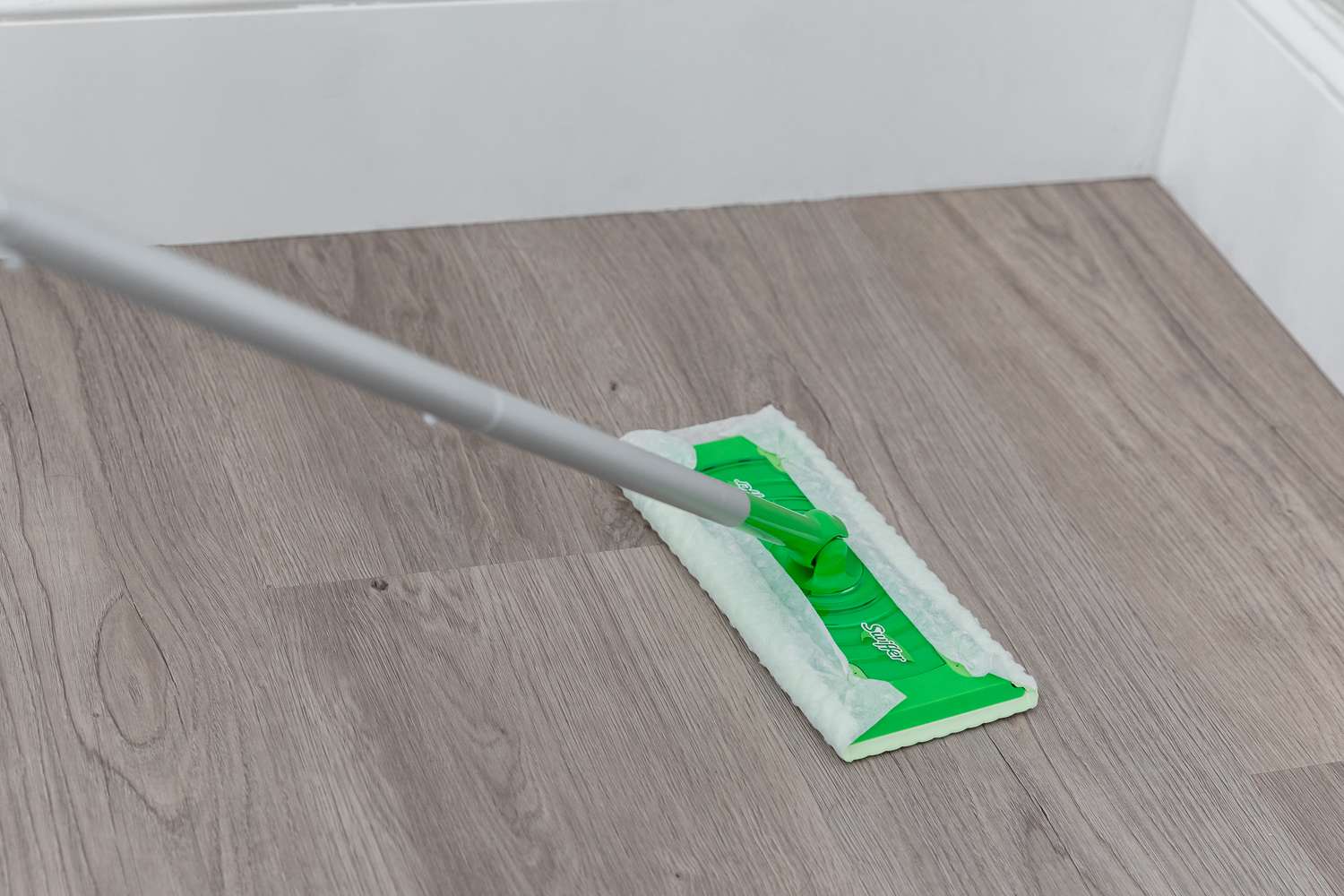
Using one pad for multiple rooms: Once a disposable pad saturates with emulsified kitchen grease and soap, pushing it into the hallway simply transfers diluted grime onto cleaner floors.
-
Mopping before thoroughly vacuuming: Fine dust mixed with wet cleaning solution turns into a thin paste that dries directly onto hardwood grain and tile texture.
-
Layering incompatible products: Switching between oil soaps, shine restorers, all-purpose sprays, and pre-wet cloths creates mixed chemical films that are stubborn to strip away.
What Professional Cleaners Use Instead
Flat Microfiber Mops With Washable Pads
Neutral-pH, No-Rinse Concentrates Diluted Properly
How to Strip Existing Film Off Your Floors Safely
-
Vacuum or sweep thoroughly using a hard-floor setting with the beater bar turned off so grit does not scratch the surface.
-
Mist lightly with warm water mixed with a tiny splash of plain white vinegar for tile, or use a dedicated residue-free hardwood floor cleaner on wood—avoiding vinegar or harsh degreasers on hardwood, as acidic or alkaline cleaners can gradually dull polyurethane finishes.
-
Buff with a clean, dry microfiber pad immediately after damp-mopping. That second dry pass lifts suspended detergent before it has a chance to evaporate back onto the surface.
-
Repeat once or twice over a few days if buildup is heavy, swapping to fresh microfiber pads as soon as they feel draggy or soiled.