

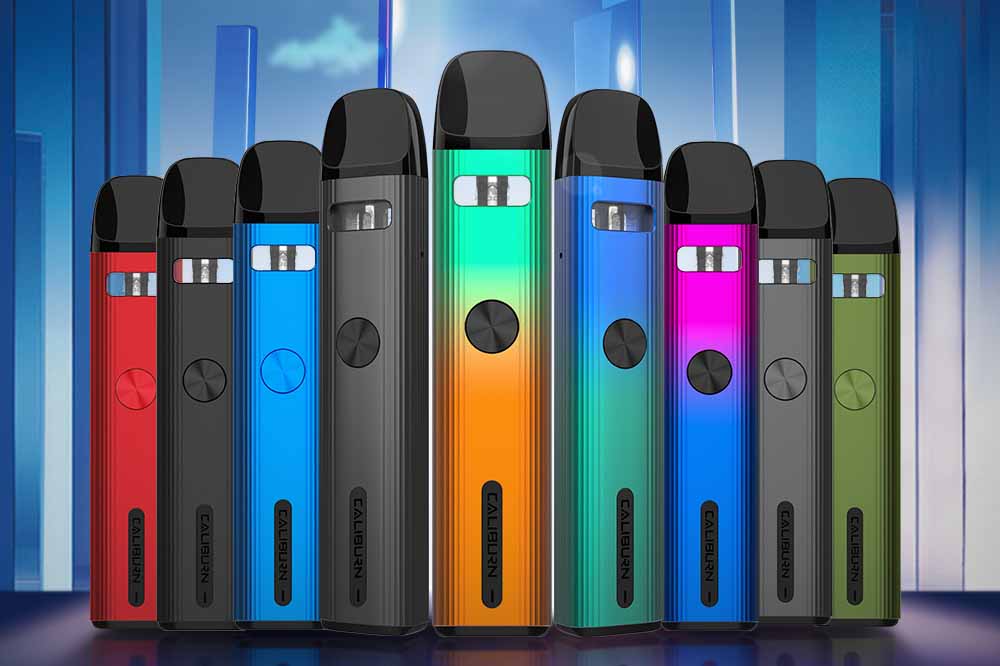
Disposable vape pods have become a common sight across Thailand, from the bustling streets of Bangkok to the quiet sois of Chiang Mai. Their sleek designs, sweet flavours, and easy availability make them an appealing choice for many. The convenience is undeniable; you use it until it’s empty and then simply throw it away. There are no buttons to press or tanks to fill. This simplicity has contributed to their rapid rise in popularity.
However, beneath this convenient exterior lie several concerns. Many users are unaware of what is inside these devices or the potential health implications of inhaling their contents. Unlike a more traditional vape setup, such as a pod with replaceable coil (known as พอตเปลี่ยนหัว in Thai), disposable units are completely sealed. This lack of transparency means consumers often do not know the exact concentration of nicotine or the quality of the ingredients in the e-liquid they are using. This raises important questions about product safety and regulation.
The environmental impact is another significant issue. Each disposable pod contains a lithium-ion battery and plastic casing, which are discarded after a single use. In a country praised for its natural beauty, the accumulation of this electronic waste presents a growing problem. These items often end up in landfills, where the batteries can leak harmful chemicals into the soil and water. Considering the sheer volume of these devices being sold, the collective environmental footprint is substantial. A pod with replaceable coil system, by contrast, generates far less waste over time.
Health authorities have also voiced concerns about the long-term effects of vaping, particularly with unregulated products. The high nicotine content in many disposables can lead to strong dependence. Furthermore, the flavouring chemicals, while often safe for consumption, have not been extensively studied for their effects when inhaled. The vapour can contain fine particles that may pose risks to lung health over time.
The social aspect is also worth considering. The colourful packaging and fruity flavours can make these products particularly attractive to younger people, introducing them to nicotine at an early age. This normalisation of vaping culture among youth is a subject of ongoing debate among health professionals and community leaders in Thailand.
While the appeal of disposable vape pods is understandable, it is important to look beyond the trend. The potential health risks, environmental damage, and social consequences suggest a more cautious approach is needed. Understanding the full picture allows people to make more informed decisions about their habits and well-being. Being aware of the hidden costs associated with these convenient devices is the first step towards a healthier and more sustainable future.