

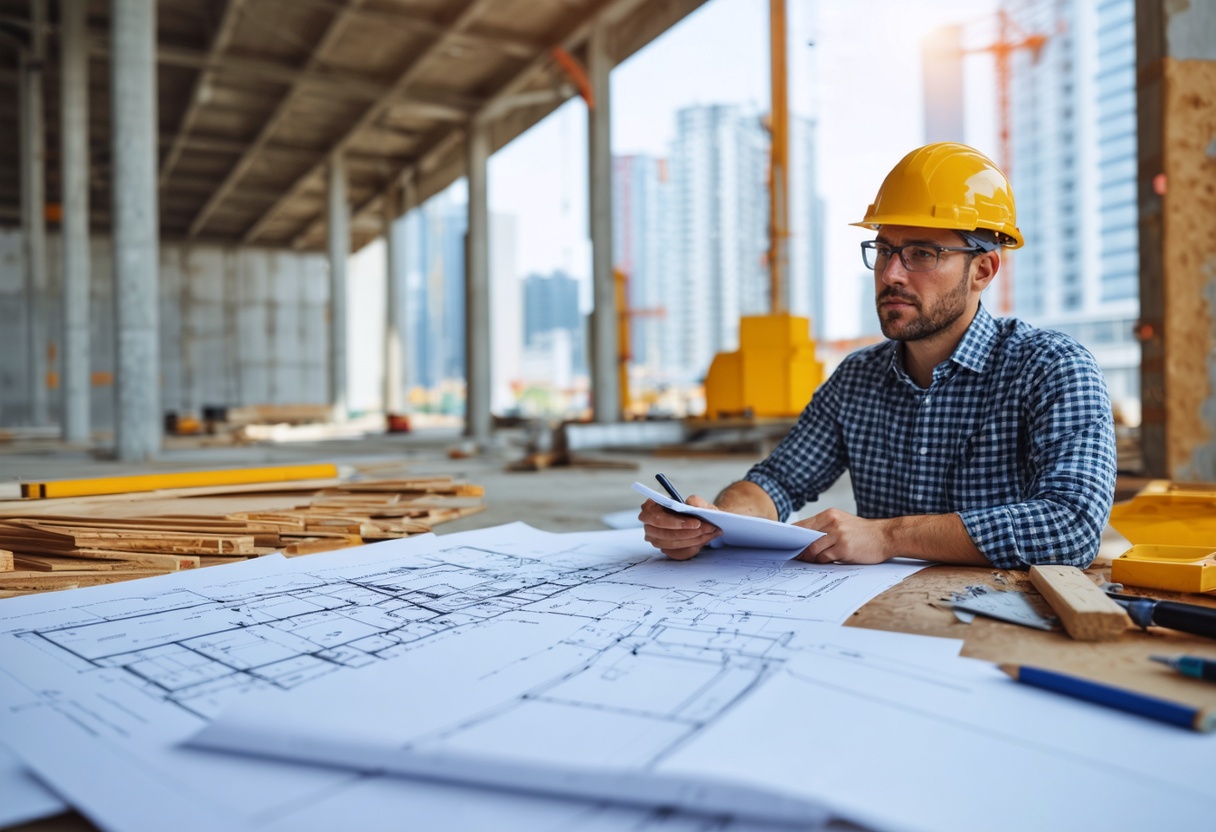
The construction industry, traditionally known for its significant environmental footprint, is undergoing a shift towards sustainability. Today, the focus is not only on the quality and durability of structures but also on how these projects impact the environment and the communities in which they are built. As a construction business owner, adopting sustainable practices is no longer optional but a crucial part of staying competitive and responsible. In this article, we’ll explore the best practices for building a sustainable construction business that thrives in an eco-conscious world while ensuring long-term success.
1. Adopt Green Building Standards and Certifications
One of the most direct ways to build a sustainable construction business is to integrate green building standards and certifications into your projects. These certifications ensure that your business follows environmentally responsible practices in every phase of construction. Common certifications include:
- LEED (Leadership in Energy and Environmental Design): LEED is one of the most recognized green building certification programs worldwide. It evaluates buildings based on various sustainability criteria, including energy efficiency, water usage, material selection, and indoor environmental quality.
- BREEAM (Building Research Establishment Environmental Assessment Method): BREEAM is a widely used sustainability assessment method that offers certification for buildings that meet high environmental standards.
- WELL Building Standard: Focused on human health and wellness, the WELL standard promotes creating spaces that contribute to the health and well-being of occupants.
By working towards these certifications, your business will not only reduce its environmental impact but also attract eco-conscious clients and partners who value sustainability.
2. Use Environmentally Friendly Materials
The materials used in construction have a significant impact on the environment, from extraction to disposal. Opting for environmentally friendly materials is one of the most effective ways to build a sustainable construction business. Here are some tips on choosing sustainable materials:
- Recycled and Reclaimed Materials: Incorporating recycled or reclaimed materials helps reduce the demand for new raw materials and diverts waste from landfills. This includes using recycled steel, reclaimed wood, or repurposed bricks.
- Sustainable Sourcing: Choose materials that are responsibly sourced, such as FSC-certified timber or low-carbon concrete. This ensures that the materials used in your construction projects don’t deplete natural resources or harm ecosystems.
- Energy-Efficient Insulation: Insulation plays a critical role in energy efficiency. Choose insulation materials that have a low environmental impact and contribute to the building’s energy efficiency, such as cellulose, cotton, or spray foam insulation with low environmental footprints.
By carefully selecting materials, you can reduce your carbon footprint, promote responsible sourcing, and create more sustainable buildings that meet modern ecological standards.
3. Incorporate Energy-Efficient Building Practices
Energy efficiency is a cornerstone of sustainable construction. Incorporating energy-efficient building practices can significantly reduce the long-term operational costs of a building while lowering its environmental impact. Here’s how to implement energy-efficient practices:
- Energy-Efficient Designs: Work with architects and designers to incorporate passive design principles, such as maximizing natural light, proper ventilation, and using materials that retain or reflect heat effectively. These strategies reduce the need for artificial lighting and heating, lowering energy consumption.
- High-Performance HVAC Systems: Heating, ventilation, and air conditioning (HVAC) systems are major energy consumers in any building. Installing high-performance, energy-efficient HVAC systems can drastically reduce energy consumption while maintaining comfort.
- Smart Energy Management: Implementing smart energy management systems in your buildings can allow for real-time monitoring of energy consumption, which helps in identifying areas for improvement. This includes automated systems for lighting, heating, and cooling that adjust based on occupancy or time of day.
Energy-efficient buildings not only lower costs for owners and tenants but also contribute to reducing the overall environmental impact of your projects.
4. Minimize Waste Through Effective Construction Waste Management
Construction projects generate a substantial amount of waste, but with careful planning, you can significantly minimize waste and ensure that it’s disposed of responsibly. Here are a few strategies for effective construction waste management:
- Reduce, Reuse, and Recycle: Start by identifying opportunities to reduce the amount of waste generated at the outset of the project. Reusing materials from previous projects or finding ways to repurpose them for current projects is an excellent way to cut down on waste.
- Efficient Disposal: Set up clear systems for segregating waste on-site so that materials like concrete, metal, wood, and plastics can be recycled properly. Partner with local recycling facilities to ensure that waste is processed in an eco-friendly manner.
- Tracking and Reporting: Implement systems to track and report on waste generation and disposal. This not only helps you reduce waste on future projects but also improves your overall sustainability metrics.
By minimizing waste and promoting recycling, your business can contribute to a circular economy where materials are continually reused, reducing the need for new resources and minimizing landfill waste.
5. Invest in Sustainable Construction Technology
Advancements in technology are playing a pivotal role in driving sustainability within the construction industry. Investing in cutting-edge technologies can enhance the efficiency, sustainability, and safety of your projects. Some examples include:
- Building Information Modeling (BIM): BIM software allows construction teams to create detailed 3D models of buildings, helping to identify potential design issues and optimize material usage before construction begins. This reduces waste and improves project efficiency.
- Drones: Drones can be used for surveying construction sites, improving accuracy, and reducing the need for physical site visits. This results in fewer disturbances to the surrounding environment.
- Prefabrication and Modular Construction: Prefabricated and modular building techniques involve constructing components off-site in a controlled factory setting before transporting them to the construction site. This minimizes material waste, reduces energy consumption, and speeds up construction timelines.
By adopting the latest technology, you can increase project efficiency, reduce environmental impacts, and differentiate your business in a competitive market.
6. Focus on Long-Term Maintenance and Durability
Sustainability goes beyond the construction phase. To build truly sustainable structures, it’s essential to focus on the long-term durability and maintainability of your buildings. This includes:
- Designing for Longevity: Opt for designs that ensure durability, making the structure more resistant to wear and tear over time. Use high-quality materials that have a longer lifespan, reducing the need for repairs or replacements.
- Maintenance Plans: Provide building owners with a comprehensive maintenance plan that outlines routine checks and services to ensure that the building operates efficiently for many years to come. Well-maintained buildings are more energy-efficient, last longer, and have a lower environmental impact.
- Sustainable Landscaping: When designing outdoor spaces, incorporate sustainable landscaping practices, such as using native plants, drought-resistant plants, and efficient irrigation systems. This reduces water usage and contributes to the local ecosystem.
By considering the long-term maintenance of your projects, you ensure that your buildings remain sustainable throughout their entire lifecycle.
7. Promote Sustainability Through Your Company Culture
Lastly, building a sustainable construction business goes beyond the technical practices of construction; it also involves cultivating a company culture that embraces sustainability at every level. Encourage your team to adopt sustainable practices in their day-to-day work by:
- Training and Education: Provide regular training on sustainable practices, such as proper waste management, energy-efficient techniques, and sustainable sourcing. This helps build a more environmentally conscious workforce.
- Incentivize Sustainability: Reward employees and subcontractors who go above and beyond in implementing sustainable practices. This can create a sense of ownership and pride in contributing to the company’s sustainability goals.
Creating a culture that values sustainability will not only enhance your business’s environmental impact but will also improve employee satisfaction and retention.
Building a sustainable construction business requires a holistic approach, from adopting green building certifications to minimizing waste and embracing new technologies. By focusing on these best practices, you can establish a construction company that not only meets the demands of today’s eco-conscious world but also positions itself for success in the future. Sustainability is not just a trend—it’s the foundation for long-term growth and profitability in the construction industry.