

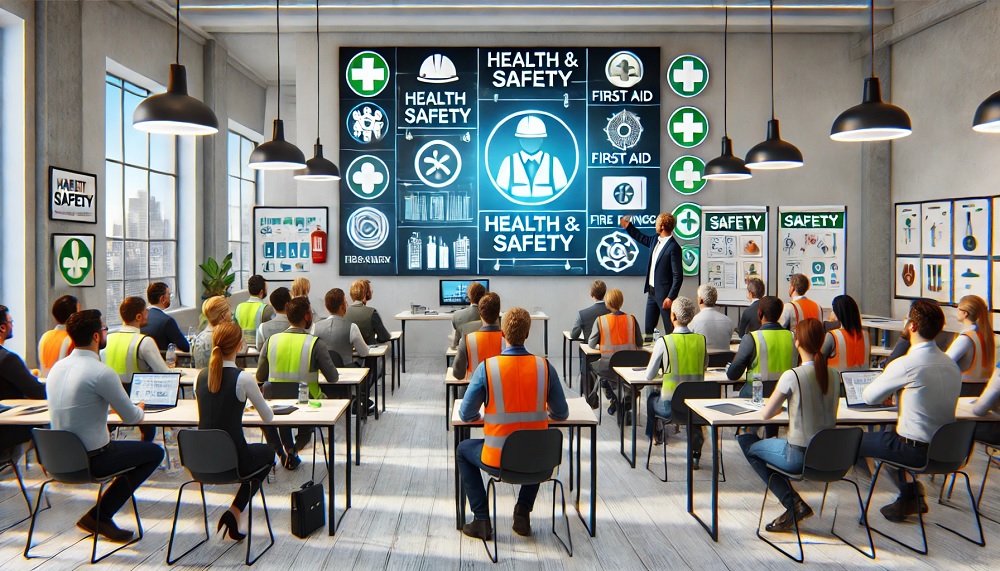
Establishing a Strong Foundation for Workplace Safety
Every employer has a fundamental responsibility to create a safe and secure working environment. Health and safety training plays a central role in ensuring that employees understand how to identify hazards, prevent accidents, and respond appropriately in emergencies. A well-structured training program not only reduces workplace injuries but also fosters a culture where safety is embedded into daily operations. When employees are equipped with the right knowledge, businesses experience fewer disruptions, lower costs related to workplace incidents, and improved overall efficiency.
Identifying Workplace Hazards and Risks
Before implementing a training program, employers must conduct a thorough risk assessment to identify potential hazards within the workplace. These may include physical dangers such as machinery malfunctions, exposure to hazardous substances, or ergonomic risks associated with repetitive tasks. Once these risks are documented, training sessions should be tailored to address them directly. Employees should learn how to recognize warning signs, follow correct safety procedures, and report concerns before they lead to accidents. A proactive approach to hazard identification ensures that safety measures are not merely reactive but preventative.
Developing a Comprehensive Training Program
An effective health and safety training program should be structured, clear, and relevant to the specific needs of the workplace. Employers must consider several key components when designing their training sessions:
- General Workplace Safety: Covering emergency procedures, fire safety, and evacuation plans.
- Job-Specific Training: Addressing hazards unique to certain roles, such as handling heavy equipment or chemical substances.
- Use of Personal Protective Equipment (PPE): Teaching employees the correct way to wear, maintain, and store protective gear.
- First Aid and Emergency Response: Ensuring workers can provide basic medical assistance until professional help arrives.
- Ergonomics and Injury Prevention: Educating employees on proper lifting techniques, workstation setup, and posture to prevent musculoskeletal disorders.
A well-rounded training program caters to both new hires and long-term employees, reinforcing critical safety measures at every stage of employment.
Making Training Engaging and Practical
For training to be effective, employees must be engaged in the learning process. Passive lectures or lengthy documents often fail to capture attention, leading to lower retention of information. Employers should incorporate interactive elements such as hands-on demonstrations, simulations, and role-playing exercises. For example, fire drills conducted in real-time help employees internalize escape routes, while hands-on machinery training allows workers to practice safe handling techniques. The more practical the training, the better employees will absorb and apply the information.
Encouraging Employee Participation and Feedback
A strong safety culture is built on open communication and active participation. Employers should encourage employees to ask questions, share concerns, and contribute ideas for improving workplace safety. Establishing a system for anonymous reporting of hazards ensures that workers feel comfortable speaking up without fear of retaliation. Regular safety meetings or forums provide opportunities for employees to discuss real-world challenges and solutions, reinforcing the idea that workplace safety is a shared responsibility.
Reinforcing Training Through Regular Refreshers
Workplace safety is not a one-time initiative—it requires ongoing reinforcement. Regulations, industry standards, and workplace conditions change over time, necessitating continuous learning. Employers should schedule refresher courses at regular intervals to keep safety knowledge fresh and up to date. Shorter, more frequent training sessions are often more effective than long, infrequent seminars. A monthly or quarterly review of safety protocols ensures that employees remain well-informed and prepared for potential risks.
Using Technology to Enhance Learning
Advancements in technology offer new ways to deliver effective health and safety training. Digital platforms, virtual simulations, and e-learning modules allow employees to complete training at their own pace while still receiving a comprehensive education. Interactive training tools can include quizzes, real-life scenario simulations, and video tutorials, making learning more dynamic and accessible. Employers who leverage technology can track employee progress, identify areas that need further attention, and ensure compliance with industry regulations.
Recognizing and Rewarding Safe Practices
Positive reinforcement encourages employees to take workplace safety seriously. Employers can implement recognition programs that highlight individuals or teams who demonstrate strong safety awareness. Rewarding employees for following proper procedures, reporting hazards, or contributing safety improvement ideas reinforces good behavior. Whether through verbal recognition, small incentives, or public acknowledgment, these efforts help create a workplace culture where safety is valued and prioritized.

Ensuring Leadership Sets the Standard
A company’s leadership plays a crucial role in shaping workplace safety culture. Managers and supervisors must set an example by adhering to safety protocols, participating in training sessions, and addressing safety concerns promptly. When employees see that leadership prioritizes safety, they are more likely to follow suit. Consistent enforcement of safety policies, along with visible leadership involvement, reinforces the message that safety is not just a policy—it is an essential part of the company’s values.
Aligning Training with Legal and Industry Standards
Health and safety regulations vary by region and industry, and employers must stay informed about compliance requirements. Regularly reviewing legal guidelines ensures that training programs remain aligned with current safety standards. Non-compliance can result in fines, legal consequences, and reputational damage, making it essential for employers to integrate regulatory updates into their training materials. Seeking guidance from safety consultants or regulatory bodies helps businesses maintain compliance and keep employees protected.
Building a Long-Term Safety Culture
The most successful businesses do not treat health and safety training as a regulatory obligation but as an investment in their employees’ well-being. By fostering an environment where safety is ingrained in daily operations, companies reduce workplace incidents, boost morale, and enhance productivity. Employers who commit to ongoing training, open communication, and continuous improvement create workplaces where employees feel secure, valued, and motivated to contribute to a safe working environment.