

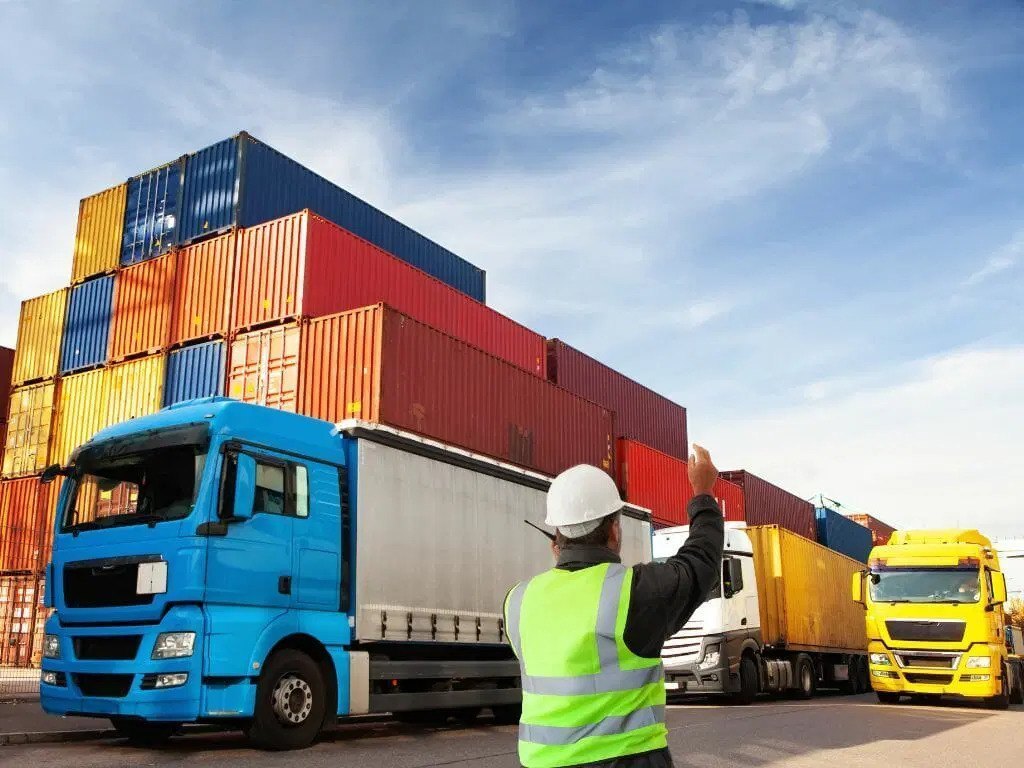
E-commerce has transformed the retail landscape, creating opportunities for businesses to reach global markets with ease. However, behind the convenience of online shopping lies a sophisticated logistics framework that enables products to move seamlessly from sellers to customers. Freight transport services are the unsung heroes of this process, ensuring timely deliveries and operational efficiency. Here, we explore the critical role these services play in driving the success of e-commerce enterprises.
Facilitating Seamless Order Fulfillment
Efficient order fulfillment is the cornerstone of e-commerce. Freight transport services ensure that products are picked up from warehouses or suppliers and delivered to customers within the promised timeframe.
In an industry where customer expectations are high, delays can lead to dissatisfaction and damage a brand’s reputation. Freight providers use advanced logistics systems to coordinate shipments, track routes, and optimize delivery schedules. This guarantees that orders reach their destinations without unnecessary delays, contributing to a seamless shopping experience for customers.
Supporting Global Reach
E-commerce businesses often cater to customers across borders, necessitating a robust international logistics network. Freight transport services enable companies to expand their reach by managing complex shipping processes, including customs clearance, import/export regulations, and documentation.
Specialized freight providers offer expertise in handling international shipments, ensuring compliance with legal and regulatory requirements. This support allows businesses to focus on growth and market penetration while their logistics partners handle the intricacies of global trade.
Enhancing Customer Satisfaction
Customer satisfaction is a key metric for e-commerce success, and timely delivery plays a pivotal role in achieving it. Freight transport services provide accurate tracking systems that allow customers to monitor their shipments in real-time, fostering transparency and trust.
Moreover, reliable freight services minimize the risk of lost or damaged goods, ensuring that customers receive their orders in pristine condition. By meeting or exceeding delivery expectations, e-commerce businesses can enhance their credibility and build long-term customer loyalty.
Optimizing Last-Mile Delivery
The last mile of delivery is often the most challenging aspect of logistics, as it involves transporting goods from distribution hubs to end customers. Freight transport services have developed innovative solutions to address these challenges, such as using advanced route optimization tools and integrating local courier networks.
Efficient last-mile delivery reduces transit times and operational costs while improving the overall customer experience. For e-commerce businesses, mastering this aspect of logistics is crucial to maintaining a competitive edge.
Streamlining Returns Management
Returns are an inevitable part of e-commerce, and managing them effectively requires a well-structured logistics strategy. Freight transport services play a key role in facilitating hassle-free returns by offering reverse logistics solutions.
These solutions ensure that returned items are collected from customers, inspected, and routed back to warehouses or suppliers efficiently. Streamlined returns management not only reduces operational bottlenecks but also demonstrates a commitment to customer satisfaction, strengthening brand loyalty.
Supporting Scalability
As e-commerce businesses grow, their logistics needs become increasingly complex. Freight transport services provide the flexibility and scalability required to accommodate fluctuating demand.
Whether it’s a seasonal surge during holidays or a sudden spike in orders due to a promotional campaign, freight providers can quickly adapt to changing requirements. This scalability ensures that businesses can continue to meet customer expectations without compromising operational efficiency.
Reducing Operational Costs
Effective freight transport services contribute to cost savings by optimizing logistics operations. Providers use advanced technologies such as route planning, cargo consolidation, and predictive analytics to minimize expenses related to fuel, labor, and warehousing.
By outsourcing logistics to experienced freight providers, e-commerce businesses can focus on core operations while benefiting from streamlined supply chain management. These cost efficiencies enable companies to invest in other areas of growth, such as marketing or product development.
Facilitating Inventory Management
Freight transport services play an integral role in inventory management by ensuring that stock levels are maintained efficiently. Timely replenishment of inventory reduces the risk of stockouts, which can negatively impact sales and customer trust.
Freight providers collaborate closely with e-commerce businesses to align shipping schedules with inventory needs. This partnership ensures that warehouses are well-stocked, allowing companies to meet demand without unnecessary delays.
Adapting to Technological Advancements
The logistics industry has embraced technological innovations to enhance the efficiency of freight transport services. Features such as GPS tracking, automated sorting systems, and IoT-enabled sensors have transformed how shipments are managed and monitored.
E-commerce businesses benefit from these advancements through improved delivery accuracy, faster transit times, and greater visibility into their supply chains. By partnering with tech-savvy freight providers, companies can leverage cutting-edge solutions to meet the dynamic demands of the digital marketplace.
Strengthening Sustainability Efforts
Sustainability has become a priority for modern consumers, and e-commerce businesses are under pressure to adopt eco-friendly practices. Freight transport services are rising to the occasion by incorporating green logistics initiatives, such as using electric vehicles, optimizing fuel consumption, and reducing packaging waste.
By aligning with environmentally conscious freight providers, e-commerce businesses can demonstrate their commitment to sustainability while improving operational efficiency. This alignment not only reduces their carbon footprint but also resonates with eco-conscious customers.
Freight transport services are indispensable to the success of e-commerce enterprises, enabling seamless logistics, enhancing customer satisfaction, and supporting global scalability. As the e-commerce sector continues to grow, the partnership between businesses and freight providers will remain a cornerstone of efficient and sustainable operations.