

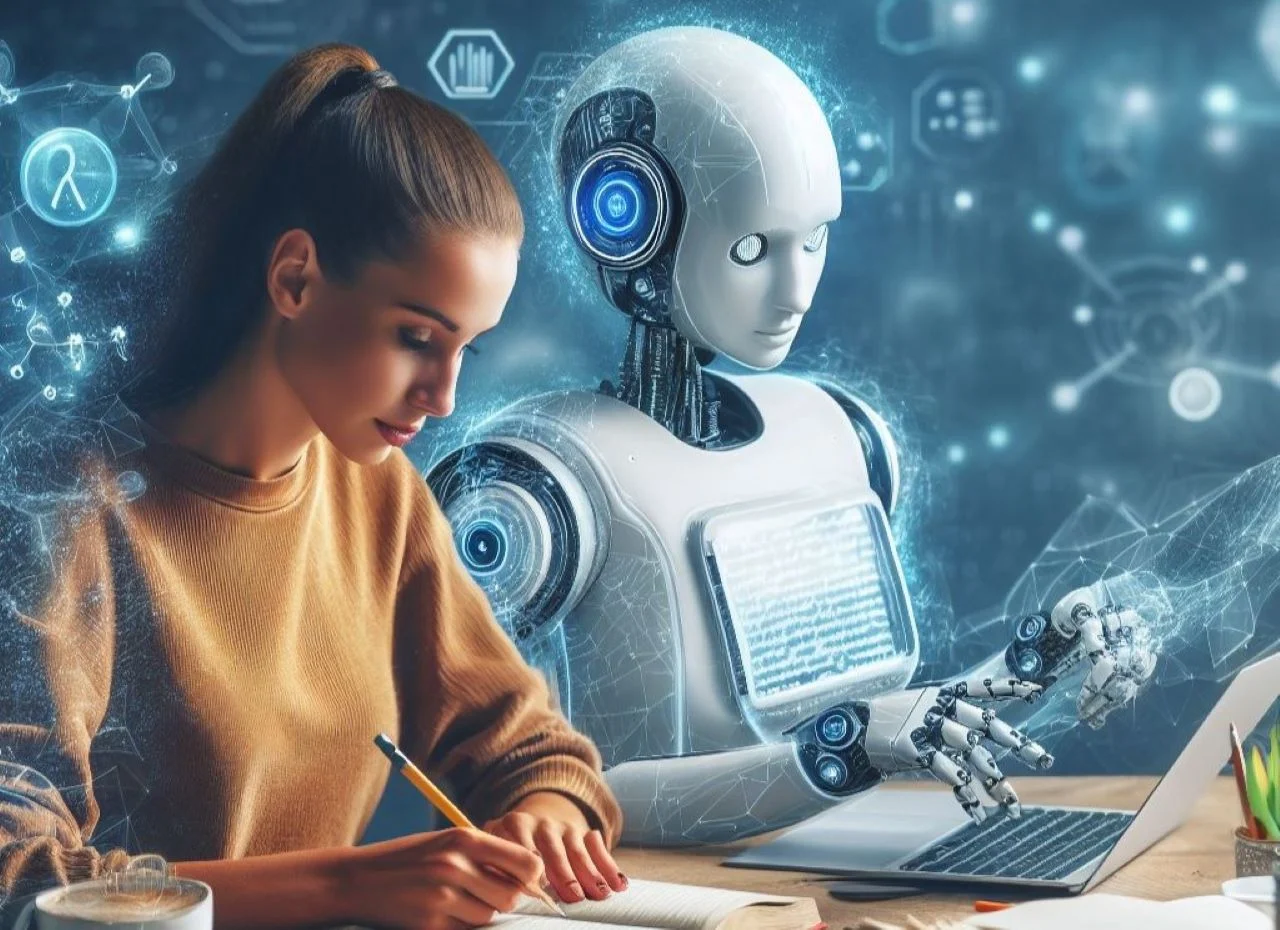
Artificial Intelligence (AI) has quickly become one of the most transformative forces in the world of Information Technology (IT). From automated processes to advanced machine learning algorithms, AI is reshaping the way IT support services operate, making them more efficient, proactive, and personalized. The integration of AI into IT support offers businesses and service providers the ability to streamline operations, reduce human error, and improve user experiences. As AI continues to evolve, its impact on IT support services becomes more profound, ushering in a new era of innovation and excellence.
Enhanced Automation in IT Support
Automation has long been a key component of IT support services, but AI has taken it to an entirely new level. AI-driven systems can handle routine tasks that were once carried out by human technicians, such as password resets, troubleshooting common software issues, and system monitoring. By automating these repetitive tasks, AI allows IT teams to focus on more complex and high-priority problems, increasing their productivity and reducing downtime for end-users.
For example, AI chatbots can assist with answering frequently asked questions and providing solutions to common technical issues. These AI-powered systems are capable of understanding natural language, enabling users to interact with them in a conversational manner. As a result, users can get immediate assistance without waiting for a human technician to be available. This not only enhances the user experience but also frees up IT support staff to handle more intricate technical challenges.
Proactive Problem-Solving with Predictive Analytics
One of the most significant contributions of AI to IT support services is the ability to predict and prevent issues before they arise. Using predictive analytics, AI systems can analyze historical data and identify patterns that signal potential problems, such as hardware failures or software malfunctions. By detecting these issues early, AI allows IT teams to take proactive measures, such as performing maintenance or upgrading systems, before users even experience any disruptions.
For instance, AI-powered monitoring tools can track the performance of critical systems and servers in real-time, analyzing data points like processor usage, memory consumption, and network traffic. If an anomaly is detected that might indicate a future issue, the system can automatically alert the IT support team, who can then address the problem before it escalates. This proactive approach minimizes the risk of downtime, enhances system reliability, and ultimately improves the user experience.
AI-Powered Chatbots and Virtual Assistants
AI-powered chatbots and virtual assistants have become an integral part of IT support services. These tools use natural language processing (NLP) and machine learning algorithms to understand and respond to user inquiries in real-time. By leveraging AI, chatbots can assist users with a wide range of technical issues, from troubleshooting software problems to providing step-by-step guidance for resolving hardware malfunctions.
One of the primary benefits of AI chatbots is their ability to handle a large volume of requests simultaneously, ensuring that users do not experience long wait times. These bots are available 24/7, providing users with immediate support regardless of time zone or business hours. Additionally, chatbots can continuously improve their responses through machine learning, becoming more accurate and efficient over time. As a result, AI-driven chatbots enhance the efficiency of IT support services and contribute to higher levels of user satisfaction.
Personalization and Tailored Solutions
AI’s ability to analyze vast amounts of data enables IT support services to offer personalized, tailored solutions to users. By collecting and analyzing data about a user’s preferences, system configurations, and previous interactions with IT support, AI can provide recommendations and solutions that are uniquely suited to each individual. This personalized approach not only improves the efficiency of IT support but also enhances the overall user experience.
For example, AI systems can track the history of a user’s technical issues and proactively suggest solutions based on past interactions. If a user has frequently encountered a particular software bug, the AI system may suggest preventive measures or offer a software update to resolve the issue. Similarly, if a user encounters an issue with a specific device or operating system, AI can recommend a customized troubleshooting guide based on the user’s past experiences, significantly reducing the time required to resolve the problem.
Improved Data Security and Threat Detection
Security is a critical concern for any IT support team, and AI is making a significant impact in this area by enhancing threat detection and response capabilities. AI-powered systems can continuously monitor networks, identify potential security breaches, and respond to threats in real-time. Through machine learning algorithms, these systems can analyze network traffic patterns and detect unusual behavior that might indicate a cyber attack, such as a Distributed Denial of Service (DDoS) attack or a malware infection.
AI systems can also enhance security by automatically updating software and applying security patches, ensuring that systems are protected against the latest vulnerabilities. Furthermore, AI-driven security tools can help identify weak spots in an organization’s network and recommend security measures to address these vulnerabilities. This proactive approach to security helps IT support teams stay ahead of cyber threats and maintain a secure environment for users.
Enhanced Knowledge Management and Decision-Making
AI can also play a crucial role in improving knowledge management within IT support services. By leveraging AI, IT teams can create and maintain a centralized repository of knowledge, which can be easily accessed by both support staff and end-users. AI systems can automatically categorize and index support articles, troubleshooting guides, and FAQs, making it easier for users to find relevant information.
Additionally, AI can assist IT support teams in making data-driven decisions by analyzing large volumes of data and providing insights into trends, system performance, and user behavior. These insights can help IT teams identify areas for improvement, optimize workflows, and allocate resources more effectively. As a result, AI not only enhances the efficiency of IT support services but also enables IT teams to make more informed decisions that drive better outcomes for the organization.
Reducing Human Error and Improving Accuracy
One of the challenges in IT support is the potential for human error, particularly when dealing with complex technical issues. AI reduces the risk of human error by automating routine tasks, ensuring that they are completed consistently and accurately every time. This increases the overall quality and reliability of IT support services, as AI systems are not prone to fatigue, distractions, or mistakes.
Moreover, AI systems are capable of processing large amounts of data quickly and accurately, which allows them to identify patterns and solutions that may not be immediately apparent to human technicians. By supplementing human expertise with AI-driven insights, IT support teams can resolve issues more efficiently and effectively.
Conclusion
Artificial Intelligence is transforming IT support services by enhancing automation, improving problem-solving capabilities, and enabling more personalized, efficient, and secure support. With AI-powered systems in place, IT teams can proactively address issues, streamline processes, and provide superior service to users. As AI continues to evolve, its impact on IT support services will only grow, offering new opportunities for businesses to optimize their operations and enhance user experiences. The future of IT support is undoubtedly shaped by AI, and its potential is vast, offering smarter, faster, and more efficient solutions for both users and IT teams.