

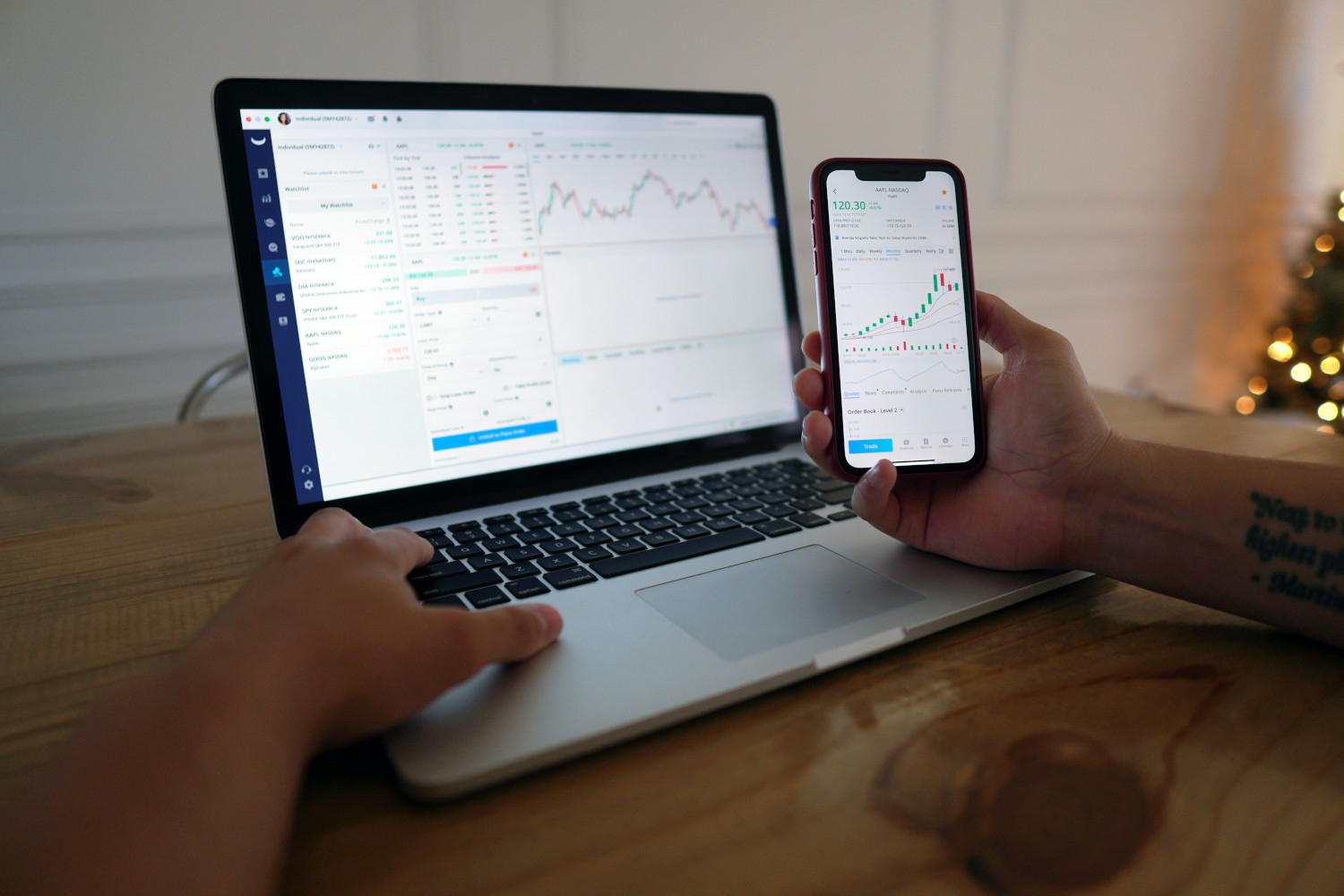
Forex trading is often seen as a dynamic market where both novice and experienced traders attempt to leverage fluctuations in currency prices to generate profits. While beginners may start with basic strategies, seasoned traders know that success in the forex market requires a deeper understanding and the application of advanced techniques. These strategies often blend technical analysis, fundamental insights, and psychological discipline to capture high-probability trade setups and manage risk effectively.
This article explores several advanced forex trading strategies that experienced traders employ to refine their approach, increase their profitability, and minimize risk.
1. Carry Trade Strategy
The carry trade is a well-known strategy in forex trading, especially favored by traders who have a longer-term horizon. The core idea of the carry trade is to borrow funds in a currency with a low interest rate and invest in a currency with a higher interest rate. The trader profits from the interest rate differential, in addition to any potential currency appreciation.
How It Works:
- For example, a trader might borrow Japanese yen (JPY), which has a low-interest rate, and convert it into Australian dollars (AUD), which offers a higher interest rate. The trader then collects the interest differential between the two currencies.
- The carry trade works best in stable, low-volatility markets, where there is little risk of sudden exchange rate movements.
Risk Management Considerations:
- While the interest differential provides a steady source of income, the risk lies in adverse currency price movements. If the currency in which you hold your position declines significantly, the potential for loss can outweigh the interest gained.
- Successful carry traders use stop-loss orders and monitor geopolitical and economic factors that might impact interest rate differentials.
2. Breakout Trading Strategy
Breakout trading is a strategy that involves entering the market when the price moves outside of a defined range. This typically occurs when price breaks above a resistance level or below a support level, signaling a potential continuation of the trend.
How It Works:
- Experienced traders identify key support and resistance levels through technical analysis, using tools like horizontal lines or trend channels. Once these levels are broken, a trader might enter a position, expecting the trend to continue in the direction of the breakout.
- Breakouts can also be fueled by significant news events, such as economic data releases, central bank decisions, or geopolitical developments.
Risk Management Considerations:
- False breakouts, where the price quickly reverses after a breakout, can be costly. To minimize risk, traders often wait for confirmation of the breakout by observing increased volume or the price holding above or below the key level for a certain period.
- Stop-loss orders should be placed just below the breakout point to limit potential losses if the price reverses.
3. Scalping Strategy
Scalping is a short-term trading strategy where traders make numerous small trades throughout the day, seeking to capture small price movements. Scalpers typically hold positions for seconds to minutes, aiming to profit from minimal fluctuations in price.
How It Works:
- Scalpers rely on fast execution, often utilizing low spreads and high leverage. They employ technical indicators like moving averages, Bollinger Bands, and the Relative Strength Index (RSI) to time their entries and exits.
- The strategy works best in highly liquid markets with low volatility, as this allows for quick entries and exits without significant price fluctuations.
Risk Management Considerations:
- Scalping requires strict discipline and effective risk management, as small losses can quickly accumulate. Traders often use tight stop-loss orders and ensure their position sizes are manageable relative to their account balance.
- It is also essential to use a reliable broker offering low spreads and fast execution speeds to ensure profitability from small price movements.
4. Trend Following Strategy
Trend following is an advanced strategy where traders aim to capitalize on long-term trends by buying in an uptrend and selling in a downtrend. This strategy involves identifying strong trends and staying in the trade as long as the trend continues.
How It Works:
- Traders use technical indicators like moving averages, trend lines, and the Average Directional Index (ADX) to assess the strength of the trend. Once a trend is confirmed, traders enter positions to ride the trend.
- Trend-following strategies can be applied across different timeframes, from short-term charts to daily or weekly charts, depending on the trader’s preference.
Risk Management Considerations:
- Trends can be highly profitable, but reversals can lead to significant losses. Traders must set stop-loss orders based on technical levels or volatility to protect against unexpected price movements.
- Trailing stop orders are often used to lock in profits as the trend progresses, allowing traders to capture profits while protecting their position from sudden reversals.
5. Fibonacci Retracement Strategy
The Fibonacci retracement strategy is based on the concept that markets move in waves, and after a significant price movement, the price often retraces a predictable portion of the original move before continuing in the same direction. Fibonacci retracement levels are derived from the Fibonacci sequence and represent potential areas of support and resistance.
How It Works:
- Traders use Fibonacci retracement levels (23.6%, 38.2%, 50%, 61.8%) to identify potential reversal points in the market. After a strong price movement, traders wait for a pullback to one of these levels, where they expect the trend to resume.
- Fibonacci retracement levels are often used in combination with other indicators like RSI, MACD, or candlestick patterns to confirm the trade entry.
Risk Management Considerations:
- Traders should place stop-loss orders beyond the next Fibonacci level, as this ensures that a trade is closed if the market moves beyond expected retracement levels.
- It’s essential to monitor the strength of the trend using tools like the ADX to assess whether the trend is likely to continue after the retracement.
6. News Trading Strategy
Experienced traders understand the significant impact that economic news releases and geopolitical events can have on currency prices. News trading involves taking positions based on the market’s reaction to specific events, such as interest rate decisions, employment reports, or GDP data.
How It Works:
- Traders must stay informed about upcoming economic events and be able to react quickly when the news is released. This may involve trading before the event based on expectations or waiting for the market’s initial reaction to the news.
- News trading can be risky due to the potential for volatile price movements immediately after the release, but it can also offer opportunities for large profits if the trader correctly anticipates the market’s reaction.
Risk Management Considerations:
- Due to the unpredictable nature of news events, traders should use stop-loss orders to limit their exposure.
- Some traders prefer to avoid trading during major news events due to the risk of erratic price movements and prefer to focus on calmer market conditions.
Mastering Advanced Strategies
For experienced forex traders, using advanced strategies like those mentioned above is essential for staying competitive and profitable in the market. However, regardless of the strategy employed, risk management remains paramount. The forex market is volatile, and even the most sophisticated strategies cannot eliminate risk entirely. Successful traders combine advanced strategies with sound risk management practices, disciplined execution, and the ability to adapt to changing market conditions.
By continually refining their approach, experienced traders increase their chances of consistent success in the forex market.