

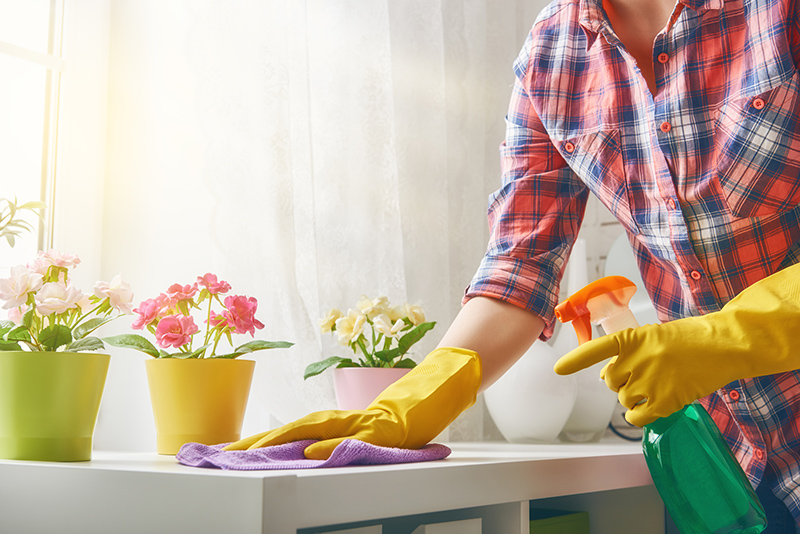
In a world increasingly concerned with sustainability, reducing environmental impact, and protecting human health, green cleaning has emerged as an essential practice for both residential and commercial spaces. Green cleaning refers to the use of cleaning methods and products that are environmentally friendly, non-toxic, and safe for both the planet and its inhabitants. With growing awareness of the harmful effects of traditional cleaning products on the environment and human health, green cleaning offers a healthier, more sustainable alternative. Below, we explore the importance of green cleaning in today’s world, highlighting its benefits for the environment, human health, and the economy.
1. Reducing Environmental Impact
Traditional cleaning products often contain harmful chemicals that can have a devastating impact on the environment. Many of these chemicals are not biodegradable, meaning they persist in the environment long after they’ve been used. When these products are washed down the drain, they can pollute water sources, harm aquatic life, and contribute to soil contamination.
Green cleaning products, on the other hand, are designed with minimal environmental impact in mind. They typically use biodegradable ingredients, which break down naturally and do not harm ecosystems. By choosing green cleaning products, individuals and businesses can significantly reduce their environmental footprint, ensuring that the spaces they maintain do not contribute to long-term ecological damage.
In addition, green cleaning practices often focus on using fewer resources, such as water and energy, to complete cleaning tasks. For example, microfiber cloths are commonly used in green cleaning because they are highly effective at trapping dirt and bacteria without the need for chemical cleaners. This reduces the overall amount of water and cleaning agents required for the same level of cleanliness, making it a more sustainable approach.
2. Protecting Human Health
Traditional cleaning products are often filled with harsh chemicals such as ammonia, chlorine bleach, and phthalates, which can pose serious health risks. Prolonged exposure to these substances can lead to a range of health problems, including respiratory issues, skin irritation, headaches, and, in extreme cases, organ damage or cancer. Children and pets, who are more susceptible to toxic chemicals, are especially vulnerable to the harmful effects of conventional cleaning products.
Green cleaning products eliminate these risks by replacing toxic chemicals with natural, plant-based ingredients. Substances like vinegar, baking soda, and essential oils are commonly used in green cleaning to clean, disinfect, and deodorize without exposing individuals to harmful toxins. This makes green cleaning not only a safer option for families but also for the employees in offices, schools, and healthcare facilities where exposure to chemicals is a constant concern.
Furthermore, green cleaning contributes to better indoor air quality. Many traditional cleaning products release volatile organic compounds (VOCs) into the air, which can cause dizziness, nausea, and other symptoms of indoor air pollution. Green cleaning products, however, are free from VOCs, ensuring that the air inside homes and buildings remains clean and healthy.
3. Improving Indoor Air Quality
Indoor air quality is a growing concern, especially in cities where pollution levels are high. A significant contributor to poor indoor air quality is the use of chemical-based cleaning products. These products can emit VOCs and other pollutants into the air, leading to health issues such as asthma, allergies, and other respiratory conditions.
Green cleaning methods can help mitigate these problems by relying on natural, non-toxic ingredients that do not release harmful chemicals into the air. Using green cleaning products reduces the concentration of indoor pollutants, promoting cleaner, healthier air and a more comfortable living or working environment. In fact, studies have shown that homes and workplaces that use eco-friendly cleaning methods experience fewer instances of respiratory problems, allergies, and asthma attacks.
By adopting green cleaning practices, individuals and businesses can make a tangible difference in improving the air quality of their spaces, which is especially important for those with pre-existing health conditions or sensitivities.
4. Supporting Sustainability and the Green Economy
In today’s world, sustainability is more important than ever. As concerns about climate change, resource depletion, and environmental degradation continue to rise, the demand for sustainable products and practices has also increased. Green cleaning is an integral part of this shift toward sustainability, as it encourages the use of eco-friendly products and practices that align with the principles of reducing waste, conserving resources, and protecting natural ecosystems.
Moreover, the green cleaning industry itself is a growing sector of the economy. By choosing green cleaning services and products, consumers and businesses are supporting companies that prioritize environmental responsibility. This, in turn, encourages further innovation in sustainable cleaning solutions, creating a positive feedback loop that drives the adoption of environmentally friendly practices across all industries.
Supporting the green economy not only benefits the planet but also helps foster a more responsible, ethical business landscape. Companies that invest in sustainable practices are more likely to thrive in an increasingly eco-conscious market, and consumers are increasingly rewarding brands that demonstrate a commitment to environmental responsibility.
5. Cost-Effectiveness in the Long Term
At first glance, green cleaning products might seem more expensive than traditional cleaning products. However, the long-term financial benefits of green cleaning often outweigh the initial cost difference. Many green cleaning products are concentrated, meaning that a small amount goes a long way. This can reduce the need to constantly repurchase products, leading to cost savings over time.
Additionally, green cleaning practices often focus on maintaining surfaces and materials in a way that prevents damage or wear. For example, using microfiber cloths instead of paper towels reduces waste and prevents the accumulation of dirt that can lead to surface deterioration. Similarly, using natural cleaning solutions like vinegar and baking soda can help maintain the integrity of appliances and fixtures, prolonging their lifespan and reducing the need for costly repairs or replacements.
In businesses, adopting green cleaning practices can also result in savings by reducing employee sick days. By improving the overall health and well-being of workers through cleaner air and fewer toxic chemicals, companies can reduce healthcare costs and increase productivity.
6. Creating a Positive Image for Businesses
For businesses, adopting green cleaning practices can be an excellent way to build a positive reputation. Consumers today are increasingly drawn to brands that demonstrate a commitment to sustainability and environmental responsibility. By implementing green cleaning practices, businesses can showcase their dedication to not only providing high-quality services or products but also protecting the environment and supporting the health of their employees and customers.
For companies operating in industries such as hospitality, real estate, and healthcare, promoting green cleaning practices can be a key differentiator in a competitive market. Consumers are more likely to choose businesses that align with their values, and green cleaning is an effective way to convey that message.
7. Setting an Example for Others
Adopting green cleaning practices in your home or business sets an important example for others. As individuals and organizations become more aware of the impact that their actions have on the planet, leading by example can inspire others to take similar steps. This creates a ripple effect that can lead to broader environmental changes in the community.
Conclusion
In today’s world, where environmental sustainability and health concerns are at the forefront of global discussions, green cleaning has become a crucial practice for both homes and businesses. From reducing environmental impact and improving air quality to promoting healthier living spaces and supporting the green economy, the benefits of green cleaning are undeniable. By making the switch to green cleaning, individuals and businesses can contribute to a healthier planet while creating cleaner, safer environments for themselves and those around them. As awareness of the importance of eco-friendly practices continues to grow, adopting green cleaning will no longer be a luxury but a necessity for a sustainable future.